Why 'Azadi' slogan is the new political flashpoint in BJP-ruled Bengal
BJP state president Samik Bhattacharya demands no police or public leniency for sloganeers; Opposition accuses him of encouraging vigilantism
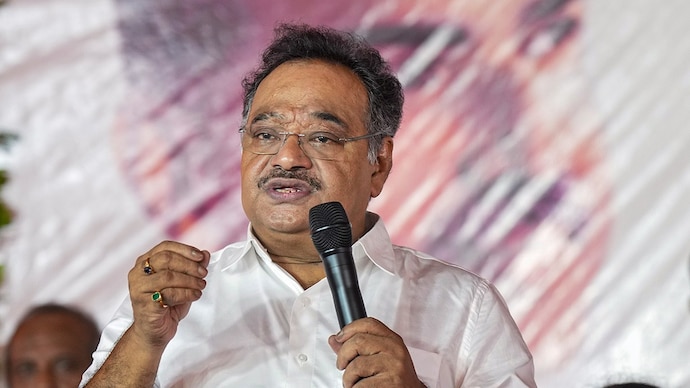
The remarks came in response to such slogans reportedly being raised during recent student protests in the state even as the circumstances and identities of those blamed for it remain contested.
“The police will beat them badly. After that, the people will beat them,” said Bhattacharya. He alleged anti-national forces were attempting to gain ground with the backing of communist groups.
The comments assume significance at a time the Bengal police, on July 24, arrested 11 people for vandalism and attacks on the media during a protest rally by Left student organisations in Kolkata.
“Those who wanted to break this country apart, who never wanted India to remain united, have now entered through the back door. They should understand that this is Syama Prasad Mookerji’s government, not Babur's,” charged Bhattacharya.
The slogan ‘Kashmir maange azadi’ has had a contentious history. Variants of the ‘azadi’ slogan have been used in Kashmir for decades, with groups interpreting it variously as independence from India, greater autonomy, or freedom from state repression.
Outside Kashmir, however, the slogan entered mainstream political discourse after the 2016 Jawaharlal Nehru University (JNU) controversy, wherein it was allegedly raised during an event related to the capital punishment handed to 2001 Parliament attack convict Afzal Guru. The incident had sparked a nationwide debate over sedition, free speech and nationalism.
Many of those who vouch for the ‘Azadi’ slogan claim the demand is for freedom from social evils such as discrimination, poverty, and supremacist and racist behaviours. However, the saffron camp has maintained that the slogan is an insult to India’s freedom achieved in 1947 and the very idea of nationhood.
Against that backdrop, Bhattacharya said: “Listen to human rights commissions on every other matter. If you have to fire, shoot in the air, not on the chest. That's all fine. But if someone shouts ‘Bharat tere tukde honge’, ensure they at least go home with a couple of broken bones”
He even suggested that public anger would spill over if the police failed to act. “If the public rises now, anyone uttering such slogans would be torn apart by the people. Our appeal to the police is that anyone shouting ‘Bharat tere tukde honge’ or ‘Kashmir maange azadi’ not be able to return home in good health. At the very least, they should have to visit the emergency ward or OPD of a government hospital. Otherwise, we will beat them ourselves,” he said.
The remarks drew immediate response from the Mamata Banerjee-led faction of the Trinamool Congress; MLA Kunal Ghosh criticised Bhattacharya for appearing to endorse vigilantism. “Then what are the police there for?” Ghosh asked, arguing that such incidents should be dealt with strictly through the legal process. “The police are supposed to bring them in, send out a strong message, and present the matter before the court so that strict punishment can be awarded,” he said.
The controversy reflects a broader shift in Bengal's political discourse. Under the BJP government, questions of nationalism, internal security and alleged anti-India slogans have increasingly become part of the political vocabulary, mirroring debates that have dominated national politics since the JNU episode. With the BJP framing such slogans as a threat to national unity and the Opposition accusing it of encouraging extra-legal action, the ‘Azadi’ slogan has become a flashpoint in the state's polarised political landscape.
Subscribe to India Today Magazine
The remarks came in response to such slogans reportedly being raised during recent student protests in the state even as the circumstances and identities of those blamed for it remain contested.
“The police will beat them badly. After that, the people will beat them,” said Bhattacharya. He alleged anti-national forces were attempting to gain ground with the backing of communist groups.
The comments assume significance at a time the Bengal police, on July 24, arrested 11 people for vandalism and attacks on the media during a protest rally by Left student organisations in Kolkata.
“Those who wanted to break this country apart, who never wanted India to remain united, have now entered through the back door. They should understand that this is Syama Prasad Mookerji’s government, not Babur's,” charged Bhattacharya.
The slogan ‘Kashmir maange azadi’ has had a contentious history. Variants of the ‘azadi’ slogan have been used in Kashmir for decades, with groups interpreting it variously as independence from India, greater autonomy, or freedom from state repression.
Outside Kashmir, however, the slogan entered mainstream political discourse after the 2016 Jawaharlal Nehru University (JNU) controversy, wherein it was allegedly raised during an event related to the capital punishment handed to 2001 Parliament attack convict Afzal Guru. The incident had sparked a nationwide debate over sedition, free speech and nationalism.
Many of those who vouch for the ‘Azadi’ slogan claim the demand is for freedom from social evils such as discrimination, poverty, and supremacist and racist behaviours. However, the saffron camp has maintained that the slogan is an insult to India’s freedom achieved in 1947 and the very idea of nationhood.
Against that backdrop, Bhattacharya said: “Listen to human rights commissions on every other matter. If you have to fire, shoot in the air, not on the chest. That's all fine. But if someone shouts ‘Bharat tere tukde honge’, ensure they at least go home with a couple of broken bones”
He even suggested that public anger would spill over if the police failed to act. “If the public rises now, anyone uttering such slogans would be torn apart by the people. Our appeal to the police is that anyone shouting ‘Bharat tere tukde honge’ or ‘Kashmir maange azadi’ not be able to return home in good health. At the very least, they should have to visit the emergency ward or OPD of a government hospital. Otherwise, we will beat them ourselves,” he said.
The remarks drew immediate response from the Mamata Banerjee-led faction of the Trinamool Congress; MLA Kunal Ghosh criticised Bhattacharya for appearing to endorse vigilantism. “Then what are the police there for?” Ghosh asked, arguing that such incidents should be dealt with strictly through the legal process. “The police are supposed to bring them in, send out a strong message, and present the matter before the court so that strict punishment can be awarded,” he said.
The controversy reflects a broader shift in Bengal's political discourse. Under the BJP government, questions of nationalism, internal security and alleged anti-India slogans have increasingly become part of the political vocabulary, mirroring debates that have dominated national politics since the JNU episode. With the BJP framing such slogans as a threat to national unity and the Opposition accusing it of encouraging extra-legal action, the ‘Azadi’ slogan has become a flashpoint in the state's polarised political landscape.
Subscribe to India Today Magazine
The remarks came in response to such slogans reportedly being raised during recent student protests in the state even as the circumstances and identities of those blamed for it remain contested.
“The police will beat them badly. After that, the people will beat them,” said Bhattacharya. He alleged anti-national forces were attempting to gain ground with the backing of communist groups.
The comments assume significance at a time the Bengal police, on July 24, arrested 11 people for vandalism and attacks on the media during a protest rally by Left student organisations in Kolkata.
“Those who wanted to break this country apart, who never wanted India to remain united, have now entered through the back door. They should understand that this is Syama Prasad Mookerji’s government, not Babur's,” charged Bhattacharya.
The slogan ‘Kashmir maange azadi’ has had a contentious history. Variants of the ‘azadi’ slogan have been used in Kashmir for decades, with groups interpreting it variously as independence from India, greater autonomy, or freedom from state repression.
Outside Kashmir, however, the slogan entered mainstream political discourse after the 2016 Jawaharlal Nehru University (JNU) controversy, wherein it was allegedly raised during an event related to the capital punishment handed to 2001 Parliament attack convict Afzal Guru. The incident had sparked a nationwide debate over sedition, free speech and nationalism.
Many of those who vouch for the ‘Azadi’ slogan claim the demand is for freedom from social evils such as discrimination, poverty, and supremacist and racist behaviours. However, the saffron camp has maintained that the slogan is an insult to India’s freedom achieved in 1947 and the very idea of nationhood.
Against that backdrop, Bhattacharya said: “Listen to human rights commissions on every other matter. If you have to fire, shoot in the air, not on the chest. That's all fine. But if someone shouts ‘Bharat tere tukde honge’, ensure they at least go home with a couple of broken bones”
He even suggested that public anger would spill over if the police failed to act. “If the public rises now, anyone uttering such slogans would be torn apart by the people. Our appeal to the police is that anyone shouting ‘Bharat tere tukde honge’ or ‘Kashmir maange azadi’ not be able to return home in good health. At the very least, they should have to visit the emergency ward or OPD of a government hospital. Otherwise, we will beat them ourselves,” he said.
The remarks drew immediate response from the Mamata Banerjee-led faction of the Trinamool Congress; MLA Kunal Ghosh criticised Bhattacharya for appearing to endorse vigilantism. “Then what are the police there for?” Ghosh asked, arguing that such incidents should be dealt with strictly through the legal process. “The police are supposed to bring them in, send out a strong message, and present the matter before the court so that strict punishment can be awarded,” he said.
The controversy reflects a broader shift in Bengal's political discourse. Under the BJP government, questions of nationalism, internal security and alleged anti-India slogans have increasingly become part of the political vocabulary, mirroring debates that have dominated national politics since the JNU episode. With the BJP framing such slogans as a threat to national unity and the Opposition accusing it of encouraging extra-legal action, the ‘Azadi’ slogan has become a flashpoint in the state's polarised political landscape.
Subscribe to India Today Magazine

