Kerala High Court strikes down Malabar mineral rights law, orders royalty refund
The landowners had challenged the law after the state served them notices seeking royalty on minerals extracted by them. The state government had also challenged the single judge's finding that it could not demand royalty for the period before December 30, 2019, the date on which the Act came into effect.
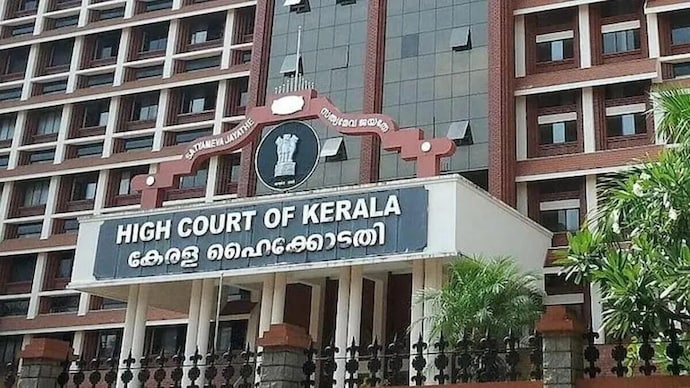
The Kerala High Court has struck down a 2021 state law that vested all mineral rights in the Malabar region in the government, holding that it was unconstitutional. The court said the Kerala Minerals (Vesting of Rights) Act, 2021, could not be treated as a valid law for depriving people of property under Article 300A of the Constitution.
A division bench of Justices A K Jayasankaran Nambiar and Preeta A K also ordered that royalty collected from landowners under the law be refunded. The ruling came on appeals by landowners from the Malabar region against a single judge's order that had upheld the Act, while also dismissing the state government's appeals in the matter.
Article 300A says that no person can be deprived of property except by authority of law. The bench said the Act under challenge had no provision for compensation to landowners whose rights over minerals in the soil and subsoil of their land were acquired by the government. It held that the law did not meet the requirements of Articles 14, 19 and 21 and was therefore invalid for the purposes of Article 300A.
The court noted that the Supreme Court had ruled that when private persons are deprived of ownership and control of material resources belonging to or controlled by them, they must be compensated justly and fairly. “Otherwise, the conversion of private material resources into resources of the community would be contrary to Article 300A of the Constitution, which states that no person shall be deprived of his property save by authority of law,” the High Court said.
The landowners had challenged the law after the state served them notices seeking royalty on minerals extracted by them. The state government had also challenged the single judge's finding that it could not demand royalty for the period before December 30, 2019, the date on which the Act came into effect. The division bench allowed the landowners' appeals, set aside the single judge's order insofar as it upheld the constitutional validity of the Act, and held that the landowners were entitled to a refund of royalty collected from them after the law was enacted.
The bench also set aside the single judge's finding that one of the landowners was liable to pay royalty to the state for the period before December 30, 2019, and directed that any amount collected from the petitioner be refunded within three months. It dismissed the appeals filed by the state government against the single judge's order.
On Saturday, the CPI(M) state secretariat asked the government to challenge the division bench's order in the Supreme Court. In a statement, it said the verdict had invalidated a law enacted with the constitutional objective of ensuring control over and equitable distribution of natural resources for the benefit of the general public. It said that under royal proclamations in the erstwhile Thiruvananthapuram and Cochin regions, the government held rights over mineral wealth on private land, while in the Malabar region those rights belonged to landowners. The party said this was why the Kerala Minerals (Vesting of Rights) Act, 2021, was enacted, and that striking it down could lead to a lack of control over the use of natural resources.
In sum, the High Court held that the 2021 law taking over mineral rights in Malabar was unconstitutional because it did not provide for fair compensation, ordered refund of royalty collected under it, and rejected the state government's appeals, even as the CPI(M) called for the matter to be taken to the Supreme Court.
The Kerala High Court has struck down a 2021 state law that vested all mineral rights in the Malabar region in the government, holding that it was unconstitutional. The court said the Kerala Minerals (Vesting of Rights) Act, 2021, could not be treated as a valid law for depriving people of property under Article 300A of the Constitution.
A division bench of Justices A K Jayasankaran Nambiar and Preeta A K also ordered that royalty collected from landowners under the law be refunded. The ruling came on appeals by landowners from the Malabar region against a single judge's order that had upheld the Act, while also dismissing the state government's appeals in the matter.
Article 300A says that no person can be deprived of property except by authority of law. The bench said the Act under challenge had no provision for compensation to landowners whose rights over minerals in the soil and subsoil of their land were acquired by the government. It held that the law did not meet the requirements of Articles 14, 19 and 21 and was therefore invalid for the purposes of Article 300A.
The court noted that the Supreme Court had ruled that when private persons are deprived of ownership and control of material resources belonging to or controlled by them, they must be compensated justly and fairly. “Otherwise, the conversion of private material resources into resources of the community would be contrary to Article 300A of the Constitution, which states that no person shall be deprived of his property save by authority of law,” the High Court said.
The landowners had challenged the law after the state served them notices seeking royalty on minerals extracted by them. The state government had also challenged the single judge's finding that it could not demand royalty for the period before December 30, 2019, the date on which the Act came into effect. The division bench allowed the landowners' appeals, set aside the single judge's order insofar as it upheld the constitutional validity of the Act, and held that the landowners were entitled to a refund of royalty collected from them after the law was enacted.
The bench also set aside the single judge's finding that one of the landowners was liable to pay royalty to the state for the period before December 30, 2019, and directed that any amount collected from the petitioner be refunded within three months. It dismissed the appeals filed by the state government against the single judge's order.
On Saturday, the CPI(M) state secretariat asked the government to challenge the division bench's order in the Supreme Court. In a statement, it said the verdict had invalidated a law enacted with the constitutional objective of ensuring control over and equitable distribution of natural resources for the benefit of the general public. It said that under royal proclamations in the erstwhile Thiruvananthapuram and Cochin regions, the government held rights over mineral wealth on private land, while in the Malabar region those rights belonged to landowners. The party said this was why the Kerala Minerals (Vesting of Rights) Act, 2021, was enacted, and that striking it down could lead to a lack of control over the use of natural resources.
In sum, the High Court held that the 2021 law taking over mineral rights in Malabar was unconstitutional because it did not provide for fair compensation, ordered refund of royalty collected under it, and rejected the state government's appeals, even as the CPI(M) called for the matter to be taken to the Supreme Court.
The Kerala High Court has struck down a 2021 state law that vested all mineral rights in the Malabar region in the government, holding that it was unconstitutional. The court said the Kerala Minerals (Vesting of Rights) Act, 2021, could not be treated as a valid law for depriving people of property under Article 300A of the Constitution.
A division bench of Justices A K Jayasankaran Nambiar and Preeta A K also ordered that royalty collected from landowners under the law be refunded. The ruling came on appeals by landowners from the Malabar region against a single judge's order that had upheld the Act, while also dismissing the state government's appeals in the matter.
Article 300A says that no person can be deprived of property except by authority of law. The bench said the Act under challenge had no provision for compensation to landowners whose rights over minerals in the soil and subsoil of their land were acquired by the government. It held that the law did not meet the requirements of Articles 14, 19 and 21 and was therefore invalid for the purposes of Article 300A.
The court noted that the Supreme Court had ruled that when private persons are deprived of ownership and control of material resources belonging to or controlled by them, they must be compensated justly and fairly. “Otherwise, the conversion of private material resources into resources of the community would be contrary to Article 300A of the Constitution, which states that no person shall be deprived of his property save by authority of law,” the High Court said.
The landowners had challenged the law after the state served them notices seeking royalty on minerals extracted by them. The state government had also challenged the single judge's finding that it could not demand royalty for the period before December 30, 2019, the date on which the Act came into effect. The division bench allowed the landowners' appeals, set aside the single judge's order insofar as it upheld the constitutional validity of the Act, and held that the landowners were entitled to a refund of royalty collected from them after the law was enacted.
The bench also set aside the single judge's finding that one of the landowners was liable to pay royalty to the state for the period before December 30, 2019, and directed that any amount collected from the petitioner be refunded within three months. It dismissed the appeals filed by the state government against the single judge's order.
On Saturday, the CPI(M) state secretariat asked the government to challenge the division bench's order in the Supreme Court. In a statement, it said the verdict had invalidated a law enacted with the constitutional objective of ensuring control over and equitable distribution of natural resources for the benefit of the general public. It said that under royal proclamations in the erstwhile Thiruvananthapuram and Cochin regions, the government held rights over mineral wealth on private land, while in the Malabar region those rights belonged to landowners. The party said this was why the Kerala Minerals (Vesting of Rights) Act, 2021, was enacted, and that striking it down could lead to a lack of control over the use of natural resources.
In sum, the High Court held that the 2021 law taking over mineral rights in Malabar was unconstitutional because it did not provide for fair compensation, ordered refund of royalty collected under it, and rejected the state government's appeals, even as the CPI(M) called for the matter to be taken to the Supreme Court.

