Kerala may reconstitute Waqf Board after High Court verdict, says minister
Kerala Education Minister N Samsudheen said the UDF government can reconstitute the State Waqf Board after the High Court rules on pending petitions. The row has sharpened political and community scrutiny over non-Muslim representation and the Board's legal validity.
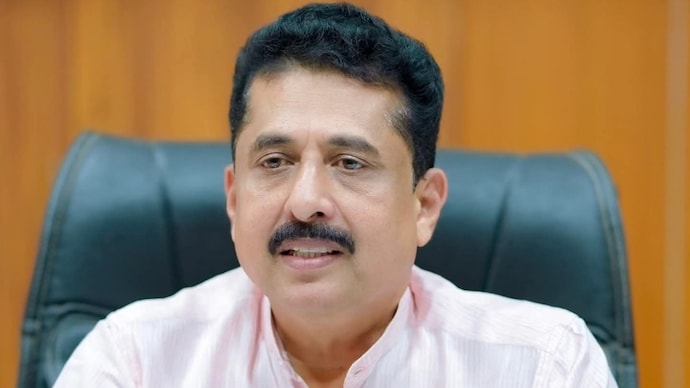
Kerala General Education Minister N Samsudheen on Saturday said the new UDF government has the right to reconstitute the State Waqf Board appointed by the previous LDF administration, and that it will do so in due course in line with the law. He also said the government would act after the Kerala High Court gives its decision on petitions challenging the Board's constitution.
Amid questions over the state's stand in court and whether non-Muslims would be included in the Board, the minister said the government had not told the High Court anything about such an inclusion. He added that if religious leaders, scholars or organisations had concerns, the government's position would be conveyed to them.
Speaking to reporters, Samsudheen claimed there were "irregularities" in the appointments made to the State Waqf Board by the previous Left government. Referring to the state's stand in the Kerala High Court, he said the Advocate General had sought dismissal of the four petitions challenging the constitution of the Board on various grounds.
Samsudheen, a senior Indian Union Muslim League leader, said the government's stand had been that it would make changes to the Board if the court directed it to do so. "Once the court's decision comes, the government will act accordingly," he said.
Senior IUML leader P M A Salam had said on Friday that the UDF government did not inform the High Court that it would include non-Muslims in the State Waqf Board, and made it clear that his party was not in favour of any such move. He had also said that people of one religion should not interfere in the religious matters of another community. "Muslims cannot be appointed in the Devaswom Boards, people of other religions cannot be included in church administration and just like that inclusion of non-Muslims in the Waqf Board is not right. That has been and continues to be the stand of the IUML," he had said.
The remarks came after a Kerala High Court interim order on July 15 restrained the State Waqf Board from taking any major decision without its permission. The court had observed that Section 14 of the United Waqf Management, Empowerment, Efficiency and Development Act, which mandates the inclusion of non-Muslim members on the Board, had not been stayed by the Supreme Court.
It said the constitution of the Kerala State Waqf Board prima facie appeared to be not in conformity with the statutory mandate as non-Muslims were not included in it. Following the order, the opposition CPI(M) accused the UDF government of "completely surrendering" to the BJP by deciding to implement the amended Waqf Act, including the provision for appointing two non-Muslim members to the State Waqf Board.
The issue now centres on the High Court's consideration of the petitions, the state's stand on possible changes to the Board, and the political and community response to the question of its composition.
Kerala General Education Minister N Samsudheen on Saturday said the new UDF government has the right to reconstitute the State Waqf Board appointed by the previous LDF administration, and that it will do so in due course in line with the law. He also said the government would act after the Kerala High Court gives its decision on petitions challenging the Board's constitution.
Amid questions over the state's stand in court and whether non-Muslims would be included in the Board, the minister said the government had not told the High Court anything about such an inclusion. He added that if religious leaders, scholars or organisations had concerns, the government's position would be conveyed to them.
Speaking to reporters, Samsudheen claimed there were "irregularities" in the appointments made to the State Waqf Board by the previous Left government. Referring to the state's stand in the Kerala High Court, he said the Advocate General had sought dismissal of the four petitions challenging the constitution of the Board on various grounds.
Samsudheen, a senior Indian Union Muslim League leader, said the government's stand had been that it would make changes to the Board if the court directed it to do so. "Once the court's decision comes, the government will act accordingly," he said.
Senior IUML leader P M A Salam had said on Friday that the UDF government did not inform the High Court that it would include non-Muslims in the State Waqf Board, and made it clear that his party was not in favour of any such move. He had also said that people of one religion should not interfere in the religious matters of another community. "Muslims cannot be appointed in the Devaswom Boards, people of other religions cannot be included in church administration and just like that inclusion of non-Muslims in the Waqf Board is not right. That has been and continues to be the stand of the IUML," he had said.
The remarks came after a Kerala High Court interim order on July 15 restrained the State Waqf Board from taking any major decision without its permission. The court had observed that Section 14 of the United Waqf Management, Empowerment, Efficiency and Development Act, which mandates the inclusion of non-Muslim members on the Board, had not been stayed by the Supreme Court.
It said the constitution of the Kerala State Waqf Board prima facie appeared to be not in conformity with the statutory mandate as non-Muslims were not included in it. Following the order, the opposition CPI(M) accused the UDF government of "completely surrendering" to the BJP by deciding to implement the amended Waqf Act, including the provision for appointing two non-Muslim members to the State Waqf Board.
The issue now centres on the High Court's consideration of the petitions, the state's stand on possible changes to the Board, and the political and community response to the question of its composition.
Kerala General Education Minister N Samsudheen on Saturday said the new UDF government has the right to reconstitute the State Waqf Board appointed by the previous LDF administration, and that it will do so in due course in line with the law. He also said the government would act after the Kerala High Court gives its decision on petitions challenging the Board's constitution.
Amid questions over the state's stand in court and whether non-Muslims would be included in the Board, the minister said the government had not told the High Court anything about such an inclusion. He added that if religious leaders, scholars or organisations had concerns, the government's position would be conveyed to them.
Speaking to reporters, Samsudheen claimed there were "irregularities" in the appointments made to the State Waqf Board by the previous Left government. Referring to the state's stand in the Kerala High Court, he said the Advocate General had sought dismissal of the four petitions challenging the constitution of the Board on various grounds.
Samsudheen, a senior Indian Union Muslim League leader, said the government's stand had been that it would make changes to the Board if the court directed it to do so. "Once the court's decision comes, the government will act accordingly," he said.
Senior IUML leader P M A Salam had said on Friday that the UDF government did not inform the High Court that it would include non-Muslims in the State Waqf Board, and made it clear that his party was not in favour of any such move. He had also said that people of one religion should not interfere in the religious matters of another community. "Muslims cannot be appointed in the Devaswom Boards, people of other religions cannot be included in church administration and just like that inclusion of non-Muslims in the Waqf Board is not right. That has been and continues to be the stand of the IUML," he had said.
The remarks came after a Kerala High Court interim order on July 15 restrained the State Waqf Board from taking any major decision without its permission. The court had observed that Section 14 of the United Waqf Management, Empowerment, Efficiency and Development Act, which mandates the inclusion of non-Muslim members on the Board, had not been stayed by the Supreme Court.
It said the constitution of the Kerala State Waqf Board prima facie appeared to be not in conformity with the statutory mandate as non-Muslims were not included in it. Following the order, the opposition CPI(M) accused the UDF government of "completely surrendering" to the BJP by deciding to implement the amended Waqf Act, including the provision for appointing two non-Muslim members to the State Waqf Board.
The issue now centres on the High Court's consideration of the petitions, the state's stand on possible changes to the Board, and the political and community response to the question of its composition.

