Sanitary pads distribution through ration shops? SC seeks Centre, states' reply
The PIL seeks to extend women's access to sanitary products by leveraging the country's extensive ration distribution network.
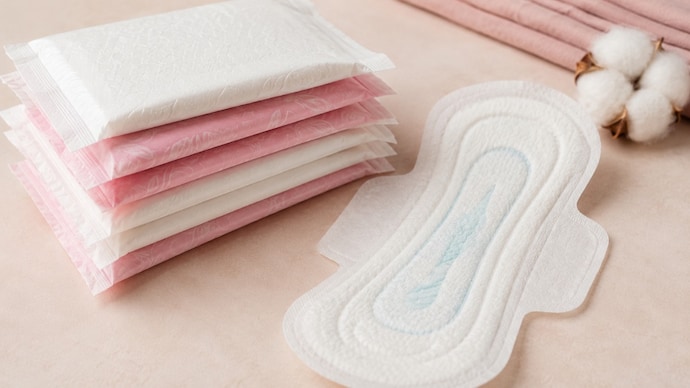
The Supreme Court has issued notices to the Centre and all state and Union Territory governments on a public interest litigation (PIL) seeking the distribution of sanitary pads to women through the country's vast network of ration shops.
The petition, filed by Saroj Bala, Jyoti Agarwal, Sanjeevani Agarwal, Swaraj Swaroop and Pradeep Shekhawat, argues that sanitary napkins have already been made affordable through government initiatives and should now be made more accessible to women, particularly those from economically weaker and rural backgrounds.
According to the petitioners, sanitary pads are currently available at Jan Aushadhi Kendras for Re 1 each. However, they pointed out that there are only around 19,294 Jan Aushadhi centres across the country, compared to more than 4.8 lakh fair price shops operating under the Public Distribution System (PDS).
The plea contends that ration shops, which have a far wider reach, can be used to distribute sanitary pads to women, either free of cost or as part of a fixed quota. Such a move, it says, would help improve menstrual hygiene awareness and ensure easier access to essential sanitary products.
The petition highlights the difficulties faced by women and adolescent girls from poor and rural households, for whom purchasing sanitary pads every month remains a financial burden. It states that a lack of awareness about menstrual hygiene and limited access to affordable sanitary products often expose women to serious health risks and infections.
The matter comes months after a landmark Supreme Court judgment that recognised the right to dignified menstrual health as part of the fundamental rights to life and education under the Constitution. In January, the Supreme Court directed all states and Union Territories to provide free oxo-biodegradable sanitary napkins to girl students and ensure functional, gender-segregated toilets in schools.
The court had observed that inadequate access to menstrual hygiene management undermines the dignity of girls and affects their ability to participate equally in education. It also held that access to safe, effective and affordable menstrual hygiene products is integral to the right to health and a dignified life under Article 21 of the Constitution.
The latest PIL seeks to extend access to sanitary products beyond schools and educational institutions by leveraging the country's extensive ration distribution network.
The Supreme Court has issued notices to the Centre and all state and Union Territory governments on a public interest litigation (PIL) seeking the distribution of sanitary pads to women through the country's vast network of ration shops.
The petition, filed by Saroj Bala, Jyoti Agarwal, Sanjeevani Agarwal, Swaraj Swaroop and Pradeep Shekhawat, argues that sanitary napkins have already been made affordable through government initiatives and should now be made more accessible to women, particularly those from economically weaker and rural backgrounds.
According to the petitioners, sanitary pads are currently available at Jan Aushadhi Kendras for Re 1 each. However, they pointed out that there are only around 19,294 Jan Aushadhi centres across the country, compared to more than 4.8 lakh fair price shops operating under the Public Distribution System (PDS).
The plea contends that ration shops, which have a far wider reach, can be used to distribute sanitary pads to women, either free of cost or as part of a fixed quota. Such a move, it says, would help improve menstrual hygiene awareness and ensure easier access to essential sanitary products.
The petition highlights the difficulties faced by women and adolescent girls from poor and rural households, for whom purchasing sanitary pads every month remains a financial burden. It states that a lack of awareness about menstrual hygiene and limited access to affordable sanitary products often expose women to serious health risks and infections.
The matter comes months after a landmark Supreme Court judgment that recognised the right to dignified menstrual health as part of the fundamental rights to life and education under the Constitution. In January, the Supreme Court directed all states and Union Territories to provide free oxo-biodegradable sanitary napkins to girl students and ensure functional, gender-segregated toilets in schools.
The court had observed that inadequate access to menstrual hygiene management undermines the dignity of girls and affects their ability to participate equally in education. It also held that access to safe, effective and affordable menstrual hygiene products is integral to the right to health and a dignified life under Article 21 of the Constitution.
The latest PIL seeks to extend access to sanitary products beyond schools and educational institutions by leveraging the country's extensive ration distribution network.

