Sonar Bangla quest revived after decades of Left, TMC rule: Amit Shah
Amit Shah launched the Rs 700-crore Amul Bengal Dairy Project in Howrah and praised West Bengal's political shift. He said the plant will aid over 1.25 lakh dairy farmers and renew the Sonar Bangla pitch.
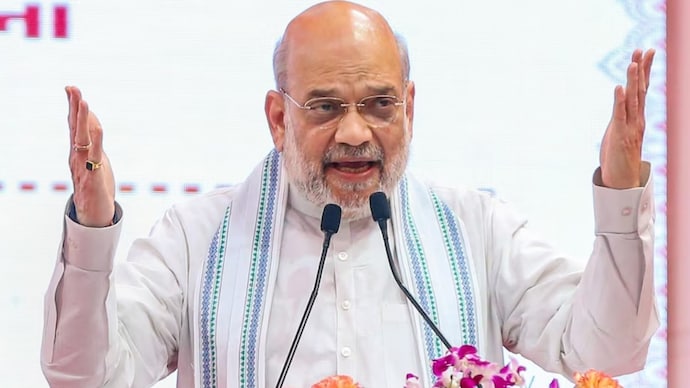
Union Home Minister Amit Shah on Sunday said the political change in West Bengal was unlike any seen in the country since Independence, and claimed the new BJP government led by Chief Minister Suvendu Adhikari had revived the quest for "Sonar Bangla" after decades of Left and TMC rule. He was speaking while virtually laying the foundation stone and performing the bhoomi pujan for the Rs 700-crore Amul Bengal Dairy Project at Sankrail in Howrah.
Shah said he had come to West Bengal "on behalf of Prime Minister Narendra Modi to sweeten the mouths of the people with Mishti Doi" after the BJP's victory in the Assembly elections. The project, which will house the world's largest curd production plant, was presented as a major initiative for the state's rural economy. Adhikari and senior ministers attended the programme.
"The change that the people of West Bengal have brought about is unlike any political change witnessed in any state of the country since Independence," Shah said. Drawing a contrast between the state's past and present, he said West Bengal was once "a beacon of light" for the country in education, culture, spirituality, the freedom movement and nationalism.
"West Bengal was once a beacon for the entire country in every field. In education, it remained decades ahead of the rest of the nation. Whether it was the freedom struggle or the country's cultural and spiritual renaissance, West Bengal gave India some of its greatest leaders and freedom fighters," he said. "Whether it was Chaitanya Mahaprabhu, Swami Vivekananda, Ramakrishna Paramahamsa or Maharshi Aurobindo, the state created an extraordinary tradition. Whether it was Netaji Subhas Chandra Bose or Khudiram Bose, West Bengal never hesitated to sacrifice for the nation," he added.
Shah alleged that the state later went through decades of political decline. "West Bengal remained under a Communist government influenced by foreign ideology for three decades. After breaking free from that, it fell into the clutches of the TMC, who are devoid of ideology, corrupt and criminal. Before our eyes, the dream of 'Sonar Bangla' envisioned by Gurudev Rabindranath Tagore was destroyed," he said. Claiming that the BJP government had revived that aspiration, he said, "After a decade-long struggle and responding to Modi's call, the movement for Sonar Bangla has begun again under the leadership of Adhikari."
Referring to his three-day visit to the state, Shah said the Centre and the state government had held detailed discussions on governance and security. "We have discussed and taken several steps to stop infiltration, strengthen law and order and improve women's safety," he said.
Calling the dairy project a landmark step, Shah said, "Today is a very important day for the farmers of West Bengal. Amul has performed the 'bhumi pujan' for what will become the world's largest curd production plant. Around 1.20 lakh small dairy farmers and cattle rearers will benefit from this initiative." Recalling an earlier discussion with Adhikari, he said he had suggested that if two plots of 15 acres each were made available, a dairy ecosystem serving the entire eastern region could be developed in the state.
The project, involving an investment of around Rs 700 crore, will process 30 lakh litres of milk every day and produce 10 lakh kg of curd and other cultured dairy products daily. It is expected to benefit more than 1.25 lakh dairy farmers in the state, including over 30,000 women. The project is aimed at strengthening the cooperative dairy network in eastern India while creating a sustainable market for milk producers in the state.
Adhikari also used the occasion to criticise the previous TMC government and linked the investment to the BJP government's industrial policy. "There were people who used to say they would not allow West Bengal to become Gujarat. Today they are sitting at home watching on television that Gujarat's Amul is investing Rs 700 crore for the development of West Bengal," he said. The chief minister said the investment reflected growing confidence among industries after the change of government and reaffirmed the state's commitment to attracting private investments.
Shah's programme marked the end of his three-day visit to West Bengal, during which he attended official events, including the inauguration of the Museum of Word at the National Library, and held a series of meetings with the state government on security and administrative issues. The visit ended with the launch of a dairy project that the Centre and the state government said would support farmers, expand milk processing and strengthen the cooperative network in the region.
Union Home Minister Amit Shah on Sunday said the political change in West Bengal was unlike any seen in the country since Independence, and claimed the new BJP government led by Chief Minister Suvendu Adhikari had revived the quest for "Sonar Bangla" after decades of Left and TMC rule. He was speaking while virtually laying the foundation stone and performing the bhoomi pujan for the Rs 700-crore Amul Bengal Dairy Project at Sankrail in Howrah.
Shah said he had come to West Bengal "on behalf of Prime Minister Narendra Modi to sweeten the mouths of the people with Mishti Doi" after the BJP's victory in the Assembly elections. The project, which will house the world's largest curd production plant, was presented as a major initiative for the state's rural economy. Adhikari and senior ministers attended the programme.
"The change that the people of West Bengal have brought about is unlike any political change witnessed in any state of the country since Independence," Shah said. Drawing a contrast between the state's past and present, he said West Bengal was once "a beacon of light" for the country in education, culture, spirituality, the freedom movement and nationalism.
"West Bengal was once a beacon for the entire country in every field. In education, it remained decades ahead of the rest of the nation. Whether it was the freedom struggle or the country's cultural and spiritual renaissance, West Bengal gave India some of its greatest leaders and freedom fighters," he said. "Whether it was Chaitanya Mahaprabhu, Swami Vivekananda, Ramakrishna Paramahamsa or Maharshi Aurobindo, the state created an extraordinary tradition. Whether it was Netaji Subhas Chandra Bose or Khudiram Bose, West Bengal never hesitated to sacrifice for the nation," he added.
Shah alleged that the state later went through decades of political decline. "West Bengal remained under a Communist government influenced by foreign ideology for three decades. After breaking free from that, it fell into the clutches of the TMC, who are devoid of ideology, corrupt and criminal. Before our eyes, the dream of 'Sonar Bangla' envisioned by Gurudev Rabindranath Tagore was destroyed," he said. Claiming that the BJP government had revived that aspiration, he said, "After a decade-long struggle and responding to Modi's call, the movement for Sonar Bangla has begun again under the leadership of Adhikari."
Referring to his three-day visit to the state, Shah said the Centre and the state government had held detailed discussions on governance and security. "We have discussed and taken several steps to stop infiltration, strengthen law and order and improve women's safety," he said.
Calling the dairy project a landmark step, Shah said, "Today is a very important day for the farmers of West Bengal. Amul has performed the 'bhumi pujan' for what will become the world's largest curd production plant. Around 1.20 lakh small dairy farmers and cattle rearers will benefit from this initiative." Recalling an earlier discussion with Adhikari, he said he had suggested that if two plots of 15 acres each were made available, a dairy ecosystem serving the entire eastern region could be developed in the state.
The project, involving an investment of around Rs 700 crore, will process 30 lakh litres of milk every day and produce 10 lakh kg of curd and other cultured dairy products daily. It is expected to benefit more than 1.25 lakh dairy farmers in the state, including over 30,000 women. The project is aimed at strengthening the cooperative dairy network in eastern India while creating a sustainable market for milk producers in the state.
Adhikari also used the occasion to criticise the previous TMC government and linked the investment to the BJP government's industrial policy. "There were people who used to say they would not allow West Bengal to become Gujarat. Today they are sitting at home watching on television that Gujarat's Amul is investing Rs 700 crore for the development of West Bengal," he said. The chief minister said the investment reflected growing confidence among industries after the change of government and reaffirmed the state's commitment to attracting private investments.
Shah's programme marked the end of his three-day visit to West Bengal, during which he attended official events, including the inauguration of the Museum of Word at the National Library, and held a series of meetings with the state government on security and administrative issues. The visit ended with the launch of a dairy project that the Centre and the state government said would support farmers, expand milk processing and strengthen the cooperative network in the region.
Union Home Minister Amit Shah on Sunday said the political change in West Bengal was unlike any seen in the country since Independence, and claimed the new BJP government led by Chief Minister Suvendu Adhikari had revived the quest for "Sonar Bangla" after decades of Left and TMC rule. He was speaking while virtually laying the foundation stone and performing the bhoomi pujan for the Rs 700-crore Amul Bengal Dairy Project at Sankrail in Howrah.
Shah said he had come to West Bengal "on behalf of Prime Minister Narendra Modi to sweeten the mouths of the people with Mishti Doi" after the BJP's victory in the Assembly elections. The project, which will house the world's largest curd production plant, was presented as a major initiative for the state's rural economy. Adhikari and senior ministers attended the programme.
"The change that the people of West Bengal have brought about is unlike any political change witnessed in any state of the country since Independence," Shah said. Drawing a contrast between the state's past and present, he said West Bengal was once "a beacon of light" for the country in education, culture, spirituality, the freedom movement and nationalism.
"West Bengal was once a beacon for the entire country in every field. In education, it remained decades ahead of the rest of the nation. Whether it was the freedom struggle or the country's cultural and spiritual renaissance, West Bengal gave India some of its greatest leaders and freedom fighters," he said. "Whether it was Chaitanya Mahaprabhu, Swami Vivekananda, Ramakrishna Paramahamsa or Maharshi Aurobindo, the state created an extraordinary tradition. Whether it was Netaji Subhas Chandra Bose or Khudiram Bose, West Bengal never hesitated to sacrifice for the nation," he added.
Shah alleged that the state later went through decades of political decline. "West Bengal remained under a Communist government influenced by foreign ideology for three decades. After breaking free from that, it fell into the clutches of the TMC, who are devoid of ideology, corrupt and criminal. Before our eyes, the dream of 'Sonar Bangla' envisioned by Gurudev Rabindranath Tagore was destroyed," he said. Claiming that the BJP government had revived that aspiration, he said, "After a decade-long struggle and responding to Modi's call, the movement for Sonar Bangla has begun again under the leadership of Adhikari."
Referring to his three-day visit to the state, Shah said the Centre and the state government had held detailed discussions on governance and security. "We have discussed and taken several steps to stop infiltration, strengthen law and order and improve women's safety," he said.
Calling the dairy project a landmark step, Shah said, "Today is a very important day for the farmers of West Bengal. Amul has performed the 'bhumi pujan' for what will become the world's largest curd production plant. Around 1.20 lakh small dairy farmers and cattle rearers will benefit from this initiative." Recalling an earlier discussion with Adhikari, he said he had suggested that if two plots of 15 acres each were made available, a dairy ecosystem serving the entire eastern region could be developed in the state.
The project, involving an investment of around Rs 700 crore, will process 30 lakh litres of milk every day and produce 10 lakh kg of curd and other cultured dairy products daily. It is expected to benefit more than 1.25 lakh dairy farmers in the state, including over 30,000 women. The project is aimed at strengthening the cooperative dairy network in eastern India while creating a sustainable market for milk producers in the state.
Adhikari also used the occasion to criticise the previous TMC government and linked the investment to the BJP government's industrial policy. "There were people who used to say they would not allow West Bengal to become Gujarat. Today they are sitting at home watching on television that Gujarat's Amul is investing Rs 700 crore for the development of West Bengal," he said. The chief minister said the investment reflected growing confidence among industries after the change of government and reaffirmed the state's commitment to attracting private investments.
Shah's programme marked the end of his three-day visit to West Bengal, during which he attended official events, including the inauguration of the Museum of Word at the National Library, and held a series of meetings with the state government on security and administrative issues. The visit ended with the launch of a dairy project that the Centre and the state government said would support farmers, expand milk processing and strengthen the cooperative network in the region.

