RTI reveals govt's quiet plan to shield India from global fertiliser supply shocks
An RTI reply shows the Centre is diversifying fertiliser import sources and routes. The move is aimed at protecting supplies from global disruptions and strengthening domestic availability.
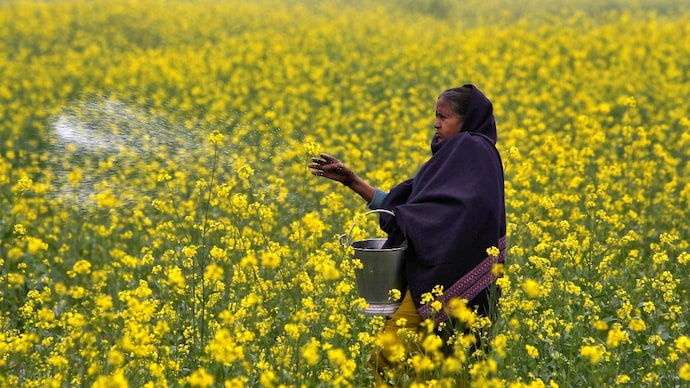
The Centre has revealed that it is actively diversifying fertiliser import sources, exploring alternative global supply routes and strengthening the domestic supply chain to shield India from disruptions amid growing global uncertainties, according to a Right to Information (RTI) reply accessed by India Today.
Responding to an RTI query on the steps being taken to diversify imports, reduce dependence on vulnerable international routes and strengthen domestic fertiliser security, the government said it has initiated "a range of measures" aimed at ensuring uninterrupted supplies.
"With regard to diversification of import sources, ensuring the supply chain of fertilisers and to reduce vulnerabilities arising from global market disruptions, a range of measures have been undertaken through the best available alternative import routes for ensuring supply sources for raw materials/intermediates and finished fertilisers with a focus on strengthening domestic fertiliser supply chain," the RTI response stated.
The reply confirms that the government is actively working to broaden its import base so that India is not overly dependent on a limited number of countries or supply corridors that could be affected by geopolitical conflicts or market volatility.
Besides identifying alternative import routes, the Centre said it is focused on securing supplies of raw materials, intermediates and finished fertilisers required for both imports and domestic production.
The RTI response also highlighted a parallel effort to strengthen India's domestic fertiliser ecosystem by reinforcing supply chains and ensuring the timely movement and availability of fertilisers across the country.
The measures are aimed at making India's fertiliser network more resilient against external shocks while ensuring uninterrupted supplies for the agriculture sector, which relies heavily on fertilisers during sowing seasons.
While the RTI reply does not specify the countries or alternative routes being explored, it indicates that the Centre has adopted a broader strategy to reduce vulnerabilities arising from global market disruptions and bolster India's long-term fertiliser security.
The disclosure comes amid continuing global uncertainty over commodity supplies and logistics, with governments across the world reassessing supply-chain resilience.
Earlier this year, reports suggested that India's fertiliser subsidy bill could climb by nearly 20% in the current financial year as prices of key nutrients surged amid supply disruptions linked to tensions around the Strait of Hormuz during the Iran-US conflict.
India is the world's second-largest consumer of fertilisers and the largest importer of di-ammonium phosphate (DAP) and urea.
Nearly 60 per cent of India's DAP requirement is met through imports. It also depends on overseas supplies of essential raw materials such as rock phosphate, phosphoric acid and potash for domestic fertiliser production.
According to government data, India had fertiliser stocks of about 19.02 million tonnes as of April 2026, against an estimated kharif season requirement of 39.05 million tonnes.
The Centre has revealed that it is actively diversifying fertiliser import sources, exploring alternative global supply routes and strengthening the domestic supply chain to shield India from disruptions amid growing global uncertainties, according to a Right to Information (RTI) reply accessed by India Today.
Responding to an RTI query on the steps being taken to diversify imports, reduce dependence on vulnerable international routes and strengthen domestic fertiliser security, the government said it has initiated "a range of measures" aimed at ensuring uninterrupted supplies.
"With regard to diversification of import sources, ensuring the supply chain of fertilisers and to reduce vulnerabilities arising from global market disruptions, a range of measures have been undertaken through the best available alternative import routes for ensuring supply sources for raw materials/intermediates and finished fertilisers with a focus on strengthening domestic fertiliser supply chain," the RTI response stated.
The reply confirms that the government is actively working to broaden its import base so that India is not overly dependent on a limited number of countries or supply corridors that could be affected by geopolitical conflicts or market volatility.
Besides identifying alternative import routes, the Centre said it is focused on securing supplies of raw materials, intermediates and finished fertilisers required for both imports and domestic production.
The RTI response also highlighted a parallel effort to strengthen India's domestic fertiliser ecosystem by reinforcing supply chains and ensuring the timely movement and availability of fertilisers across the country.
The measures are aimed at making India's fertiliser network more resilient against external shocks while ensuring uninterrupted supplies for the agriculture sector, which relies heavily on fertilisers during sowing seasons.
While the RTI reply does not specify the countries or alternative routes being explored, it indicates that the Centre has adopted a broader strategy to reduce vulnerabilities arising from global market disruptions and bolster India's long-term fertiliser security.
The disclosure comes amid continuing global uncertainty over commodity supplies and logistics, with governments across the world reassessing supply-chain resilience.
Earlier this year, reports suggested that India's fertiliser subsidy bill could climb by nearly 20% in the current financial year as prices of key nutrients surged amid supply disruptions linked to tensions around the Strait of Hormuz during the Iran-US conflict.
India is the world's second-largest consumer of fertilisers and the largest importer of di-ammonium phosphate (DAP) and urea.
Nearly 60 per cent of India's DAP requirement is met through imports. It also depends on overseas supplies of essential raw materials such as rock phosphate, phosphoric acid and potash for domestic fertiliser production.
According to government data, India had fertiliser stocks of about 19.02 million tonnes as of April 2026, against an estimated kharif season requirement of 39.05 million tonnes.
The Centre has revealed that it is actively diversifying fertiliser import sources, exploring alternative global supply routes and strengthening the domestic supply chain to shield India from disruptions amid growing global uncertainties, according to a Right to Information (RTI) reply accessed by India Today.
Responding to an RTI query on the steps being taken to diversify imports, reduce dependence on vulnerable international routes and strengthen domestic fertiliser security, the government said it has initiated "a range of measures" aimed at ensuring uninterrupted supplies.
"With regard to diversification of import sources, ensuring the supply chain of fertilisers and to reduce vulnerabilities arising from global market disruptions, a range of measures have been undertaken through the best available alternative import routes for ensuring supply sources for raw materials/intermediates and finished fertilisers with a focus on strengthening domestic fertiliser supply chain," the RTI response stated.
The reply confirms that the government is actively working to broaden its import base so that India is not overly dependent on a limited number of countries or supply corridors that could be affected by geopolitical conflicts or market volatility.
Besides identifying alternative import routes, the Centre said it is focused on securing supplies of raw materials, intermediates and finished fertilisers required for both imports and domestic production.
The RTI response also highlighted a parallel effort to strengthen India's domestic fertiliser ecosystem by reinforcing supply chains and ensuring the timely movement and availability of fertilisers across the country.
The measures are aimed at making India's fertiliser network more resilient against external shocks while ensuring uninterrupted supplies for the agriculture sector, which relies heavily on fertilisers during sowing seasons.
While the RTI reply does not specify the countries or alternative routes being explored, it indicates that the Centre has adopted a broader strategy to reduce vulnerabilities arising from global market disruptions and bolster India's long-term fertiliser security.
The disclosure comes amid continuing global uncertainty over commodity supplies and logistics, with governments across the world reassessing supply-chain resilience.
Earlier this year, reports suggested that India's fertiliser subsidy bill could climb by nearly 20% in the current financial year as prices of key nutrients surged amid supply disruptions linked to tensions around the Strait of Hormuz during the Iran-US conflict.
India is the world's second-largest consumer of fertilisers and the largest importer of di-ammonium phosphate (DAP) and urea.
Nearly 60 per cent of India's DAP requirement is met through imports. It also depends on overseas supplies of essential raw materials such as rock phosphate, phosphoric acid and potash for domestic fertiliser production.
According to government data, India had fertiliser stocks of about 19.02 million tonnes as of April 2026, against an estimated kharif season requirement of 39.05 million tonnes.

