Ban on toxic weed killer puts agrochemical lobby under lens. Bigger crackdown next?
The Centre is turning its attention to glyphosate after paraquat dichloride's exit from the farm sector. The move sharpens questions over whether chemicals facing health concerns abroad should remain acceptable in India.
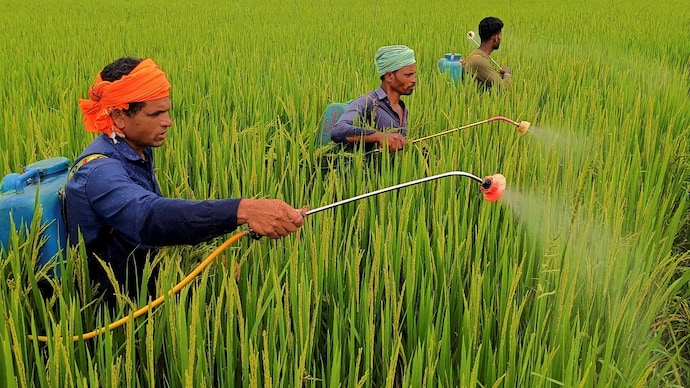
The Union Agriculture Ministry's decision to move towards a nationwide ban on herbicide Paraquat Dichloride has brought renewed focus on the alleged nexus between sections of the agrochemical industry and influential voices within the scientific and regulatory establishment.
With the Centre citing public health and environmental protection as key priorities, the draft notification banning one of the country's most toxic herbicides is being viewed as a major step towards reducing dependence on hazardous farm chemicals.
The development has also intensified demands for similar action against glyphosate, while raising questions over whether vested interests have repeatedly delayed stricter regulation of controversial herbicides despite growing health and environmental concerns.
HISTORIC MOVE AGAINST PARAQUAT
The Agriculture Ministry has issued a draft notification proposing a complete ban on the manufacture, import, sale and use of Paraquat Dichloride across India.
The proposal marks one of the strongest regulatory actions taken against a widely used herbicide and has been welcomed by environmental groups and several agricultural experts, who argue that profitable farming cannot come at the cost of human health or ecological damage.
Union Agriculture Minister Shivraj Singh Chouhan has indicated that the government will prioritise the health of citizens and environmental safety over the continued use of chemicals considered hazardous.
According to the ministry's position, the move aligns with Prime Minister Narendra Modi's broader vision of promoting chemical-free and sustainable farming practices.
The draft notification will remain open for public comments before a final decision is notified.
GLYPHOSATE NOW UNDER SPOTLIGHT
Following the proposed ban on paraquat, attention has shifted to glyphosate, another widely debated herbicide whose safety has remained a contentious issue globally.
Environmental activists and agricultural experts argue that India should reconsider its continued use, particularly when several countries have either prohibited or heavily restricted the chemical.
The debate stems largely from the International Agency for Research on Cancer (IARC), a specialised cancer research agency under the World Health Organization, which in 2015 classified glyphosate as "probably carcinogenic to humans" (Group 2A).
The assessment cited limited evidence from human exposure studies, sufficient evidence from experimental animal studies, and strong evidence of genotoxicity in both pure glyphosate and commercial formulations.
Apart from health concerns, glyphosate has also become an export issue. Agricultural shipments, including basmati rice, tea and spices, have reportedly faced rejection in overseas markets after testing positive for glyphosate residues, affecting India's agricultural exports and international reputation.
LEGAL BATTLE AND INDUSTRY RESISTANCE
The Centre had earlier attempted to regulate glyphosate by restricting its application to licensed Pest Control Operators (PCOs), effectively preventing farmers from directly spraying the herbicide. The move was intended to minimise direct exposure and improve safety standards.
However, agrochemical companies challenged the decision before the Delhi High Court, arguing that rural India lacked sufficient PCO infrastructure and that the restriction would significantly increase cultivation costs.
The court subsequently stayed the notification, leaving the proposed regulatory framework in legal limbo while glyphosate continued to remain available for agricultural use.
LOBBYING, REGULATORY INFLUENCE CLAIMS
The renewed debate has also revived allegations regarding the influence of the agrochemical industry on policy-making.
According to sources cited by those advocating stricter regulation, sections of the scientific community and government-linked research institutions are accused of supporting industry positions through studies that favour continued use of controversial chemicals.
Critics allege that reports highlighting the necessity and safety of such herbicides have often delayed policy decisions, while confidential developments relating to regulatory action are allegedly communicated to industry stakeholders in advance, enabling companies to adjust inventories or pursue legal remedies before restrictions take effect.
There are also claims that some retired regulatory experts later join chemical companies as consultants or advisers, fuelling concerns over conflicts of interest.
Supporters of the government's latest action argue that the draft ban on paraquat demonstrates a stronger political commitment to addressing long-standing concerns over hazardous agricultural chemicals.
They believe the move could pave the way for a broader review of glyphosate and other controversial pesticides if public health and environmental protection remain the guiding principles of agricultural policy.
The proposed ban on paraquat has therefore become more than a regulatory decision. It has emerged as a test of whether India's agricultural policy can successfully balance productivity with public health, environmental sustainability and scientific integrity.
The Union Agriculture Ministry's decision to move towards a nationwide ban on herbicide Paraquat Dichloride has brought renewed focus on the alleged nexus between sections of the agrochemical industry and influential voices within the scientific and regulatory establishment.
With the Centre citing public health and environmental protection as key priorities, the draft notification banning one of the country's most toxic herbicides is being viewed as a major step towards reducing dependence on hazardous farm chemicals.
The development has also intensified demands for similar action against glyphosate, while raising questions over whether vested interests have repeatedly delayed stricter regulation of controversial herbicides despite growing health and environmental concerns.
HISTORIC MOVE AGAINST PARAQUAT
The Agriculture Ministry has issued a draft notification proposing a complete ban on the manufacture, import, sale and use of Paraquat Dichloride across India.
The proposal marks one of the strongest regulatory actions taken against a widely used herbicide and has been welcomed by environmental groups and several agricultural experts, who argue that profitable farming cannot come at the cost of human health or ecological damage.
Union Agriculture Minister Shivraj Singh Chouhan has indicated that the government will prioritise the health of citizens and environmental safety over the continued use of chemicals considered hazardous.
According to the ministry's position, the move aligns with Prime Minister Narendra Modi's broader vision of promoting chemical-free and sustainable farming practices.
The draft notification will remain open for public comments before a final decision is notified.
GLYPHOSATE NOW UNDER SPOTLIGHT
Following the proposed ban on paraquat, attention has shifted to glyphosate, another widely debated herbicide whose safety has remained a contentious issue globally.
Environmental activists and agricultural experts argue that India should reconsider its continued use, particularly when several countries have either prohibited or heavily restricted the chemical.
The debate stems largely from the International Agency for Research on Cancer (IARC), a specialised cancer research agency under the World Health Organization, which in 2015 classified glyphosate as "probably carcinogenic to humans" (Group 2A).
The assessment cited limited evidence from human exposure studies, sufficient evidence from experimental animal studies, and strong evidence of genotoxicity in both pure glyphosate and commercial formulations.
Apart from health concerns, glyphosate has also become an export issue. Agricultural shipments, including basmati rice, tea and spices, have reportedly faced rejection in overseas markets after testing positive for glyphosate residues, affecting India's agricultural exports and international reputation.
LEGAL BATTLE AND INDUSTRY RESISTANCE
The Centre had earlier attempted to regulate glyphosate by restricting its application to licensed Pest Control Operators (PCOs), effectively preventing farmers from directly spraying the herbicide. The move was intended to minimise direct exposure and improve safety standards.
However, agrochemical companies challenged the decision before the Delhi High Court, arguing that rural India lacked sufficient PCO infrastructure and that the restriction would significantly increase cultivation costs.
The court subsequently stayed the notification, leaving the proposed regulatory framework in legal limbo while glyphosate continued to remain available for agricultural use.
LOBBYING, REGULATORY INFLUENCE CLAIMS
The renewed debate has also revived allegations regarding the influence of the agrochemical industry on policy-making.
According to sources cited by those advocating stricter regulation, sections of the scientific community and government-linked research institutions are accused of supporting industry positions through studies that favour continued use of controversial chemicals.
Critics allege that reports highlighting the necessity and safety of such herbicides have often delayed policy decisions, while confidential developments relating to regulatory action are allegedly communicated to industry stakeholders in advance, enabling companies to adjust inventories or pursue legal remedies before restrictions take effect.
There are also claims that some retired regulatory experts later join chemical companies as consultants or advisers, fuelling concerns over conflicts of interest.
Supporters of the government's latest action argue that the draft ban on paraquat demonstrates a stronger political commitment to addressing long-standing concerns over hazardous agricultural chemicals.
They believe the move could pave the way for a broader review of glyphosate and other controversial pesticides if public health and environmental protection remain the guiding principles of agricultural policy.
The proposed ban on paraquat has therefore become more than a regulatory decision. It has emerged as a test of whether India's agricultural policy can successfully balance productivity with public health, environmental sustainability and scientific integrity.
The Union Agriculture Ministry's decision to move towards a nationwide ban on herbicide Paraquat Dichloride has brought renewed focus on the alleged nexus between sections of the agrochemical industry and influential voices within the scientific and regulatory establishment.
With the Centre citing public health and environmental protection as key priorities, the draft notification banning one of the country's most toxic herbicides is being viewed as a major step towards reducing dependence on hazardous farm chemicals.
The development has also intensified demands for similar action against glyphosate, while raising questions over whether vested interests have repeatedly delayed stricter regulation of controversial herbicides despite growing health and environmental concerns.
HISTORIC MOVE AGAINST PARAQUAT
The Agriculture Ministry has issued a draft notification proposing a complete ban on the manufacture, import, sale and use of Paraquat Dichloride across India.
The proposal marks one of the strongest regulatory actions taken against a widely used herbicide and has been welcomed by environmental groups and several agricultural experts, who argue that profitable farming cannot come at the cost of human health or ecological damage.
Union Agriculture Minister Shivraj Singh Chouhan has indicated that the government will prioritise the health of citizens and environmental safety over the continued use of chemicals considered hazardous.
According to the ministry's position, the move aligns with Prime Minister Narendra Modi's broader vision of promoting chemical-free and sustainable farming practices.
The draft notification will remain open for public comments before a final decision is notified.
GLYPHOSATE NOW UNDER SPOTLIGHT
Following the proposed ban on paraquat, attention has shifted to glyphosate, another widely debated herbicide whose safety has remained a contentious issue globally.
Environmental activists and agricultural experts argue that India should reconsider its continued use, particularly when several countries have either prohibited or heavily restricted the chemical.
The debate stems largely from the International Agency for Research on Cancer (IARC), a specialised cancer research agency under the World Health Organization, which in 2015 classified glyphosate as "probably carcinogenic to humans" (Group 2A).
The assessment cited limited evidence from human exposure studies, sufficient evidence from experimental animal studies, and strong evidence of genotoxicity in both pure glyphosate and commercial formulations.
Apart from health concerns, glyphosate has also become an export issue. Agricultural shipments, including basmati rice, tea and spices, have reportedly faced rejection in overseas markets after testing positive for glyphosate residues, affecting India's agricultural exports and international reputation.
LEGAL BATTLE AND INDUSTRY RESISTANCE
The Centre had earlier attempted to regulate glyphosate by restricting its application to licensed Pest Control Operators (PCOs), effectively preventing farmers from directly spraying the herbicide. The move was intended to minimise direct exposure and improve safety standards.
However, agrochemical companies challenged the decision before the Delhi High Court, arguing that rural India lacked sufficient PCO infrastructure and that the restriction would significantly increase cultivation costs.
The court subsequently stayed the notification, leaving the proposed regulatory framework in legal limbo while glyphosate continued to remain available for agricultural use.
LOBBYING, REGULATORY INFLUENCE CLAIMS
The renewed debate has also revived allegations regarding the influence of the agrochemical industry on policy-making.
According to sources cited by those advocating stricter regulation, sections of the scientific community and government-linked research institutions are accused of supporting industry positions through studies that favour continued use of controversial chemicals.
Critics allege that reports highlighting the necessity and safety of such herbicides have often delayed policy decisions, while confidential developments relating to regulatory action are allegedly communicated to industry stakeholders in advance, enabling companies to adjust inventories or pursue legal remedies before restrictions take effect.
There are also claims that some retired regulatory experts later join chemical companies as consultants or advisers, fuelling concerns over conflicts of interest.
Supporters of the government's latest action argue that the draft ban on paraquat demonstrates a stronger political commitment to addressing long-standing concerns over hazardous agricultural chemicals.
They believe the move could pave the way for a broader review of glyphosate and other controversial pesticides if public health and environmental protection remain the guiding principles of agricultural policy.
The proposed ban on paraquat has therefore become more than a regulatory decision. It has emerged as a test of whether India's agricultural policy can successfully balance productivity with public health, environmental sustainability and scientific integrity.

