One Nation, One Election Bill delayed till Winter Session, panel gets more time
Lok Sabha approved by voice vote a resolution moved by committee chairman PP Chaudhary extending the deadline for submission of the panel's report until the first day of the Winter Session's final week.
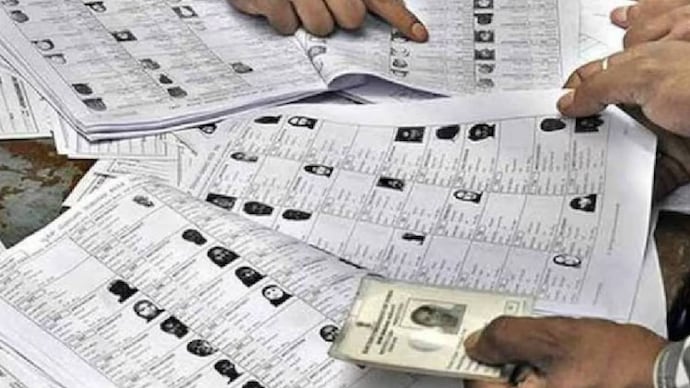
The proposed 'One Nation, One Election' Bill will not be taken up during the ongoing Monsoon Session of Parliament, with the Lok Sabha on Wednesday granting a fresh extension to the Joint Parliamentary Committee (JPC) examining the legislation until the end of the Winter Session.
Committee chairman PP Chaudhary moved a resolution in Lok Sabha seeking extension of the deadline for submission of the panel’s report till the first day of the last week of the Winter Session, and the House approved it by voice vote.
The decision means the Constitution (the 129th Amendment) Bill, 2024, which seeks to provide a framework for simultaneous elections to the Lok Sabha and state assemblies, is unlikely to move forward in Parliament before the Winter Session.
Parliament’s Winter Session generally begins in late November and concludes before Christmas.
The 41-member JPC has been conducting consultations across the country with constitutional experts, civil society organisations, educationists, political leaders and state governments on the feasibility and implications of synchronised elections.
Chaudhary recently said the committee was exploring mechanisms that could make simultaneous elections operational by the 2029 general elections and was trying to evolve a model acceptable to all political parties.
According to the government, the proposal is aimed at reducing the frequency of elections, lowering expenditure and minimising disruption to governance.
Chaudhary has argued that repeated elections impose economic costs, affect administrative efficiency and divert teachers and other government employees from their primary duties.
He has also cited studies submitted to the high-level committee headed by former President Ram Nath Kovind that estimated substantial economic gains from synchronised polls.
GOVT BACKS SIMULTANEOUS POLLS
Supporters of the proposal say simultaneous elections could reduce the deployment of personnel on election duty, save millions of working days over a five-year cycle and lessen the burden on schools that are frequently used as polling stations.
The government has described the reform as a major electoral change that could contribute to more stable governance and support India’s long-term development goals.
OPPOSITION’S OBJECTION
Opposition parties, however, have raised strong objections to the proposal. They argue that synchronising elections could undermine the federal structure by weakening the autonomy of states and giving undue advantage to larger national parties.
Critics have also questioned the practicality of maintaining a common electoral cycle in a parliamentary system where governments can fall before completing their terms.
Several opposition leaders have sought wider consultations and greater clarity on constitutional, legal and administrative issues before any amendment is considered.
JPC'S PAN-INDIA CAMPAIGN
The JPC has already visited several states, including Gujarat, Karnataka, Maharashtra, Himachal Pradesh, Uttarakhand, Punjab, Haryana, Delhi and Goa, to gather feedback on implementation challenges.
Chaudhary has said that an overwhelming majority of civil society stakeholders consulted so far have expressed support for the proposal, though political consensus remains elusive.
With the committee’s tenure now extended, the immediate focus will be on completing consultations and finalising its recommendations.
The government is expected to wait for the JPC report before deciding the next legislative steps, making the Winter Session the earliest possible stage for further parliamentary consideration of the ‘One Nation, One Election’ reform.
The proposed 'One Nation, One Election' Bill will not be taken up during the ongoing Monsoon Session of Parliament, with the Lok Sabha on Wednesday granting a fresh extension to the Joint Parliamentary Committee (JPC) examining the legislation until the end of the Winter Session.
Committee chairman PP Chaudhary moved a resolution in Lok Sabha seeking extension of the deadline for submission of the panel’s report till the first day of the last week of the Winter Session, and the House approved it by voice vote.
The decision means the Constitution (the 129th Amendment) Bill, 2024, which seeks to provide a framework for simultaneous elections to the Lok Sabha and state assemblies, is unlikely to move forward in Parliament before the Winter Session.
Parliament’s Winter Session generally begins in late November and concludes before Christmas.
The 41-member JPC has been conducting consultations across the country with constitutional experts, civil society organisations, educationists, political leaders and state governments on the feasibility and implications of synchronised elections.
Chaudhary recently said the committee was exploring mechanisms that could make simultaneous elections operational by the 2029 general elections and was trying to evolve a model acceptable to all political parties.
According to the government, the proposal is aimed at reducing the frequency of elections, lowering expenditure and minimising disruption to governance.
Chaudhary has argued that repeated elections impose economic costs, affect administrative efficiency and divert teachers and other government employees from their primary duties.
He has also cited studies submitted to the high-level committee headed by former President Ram Nath Kovind that estimated substantial economic gains from synchronised polls.
GOVT BACKS SIMULTANEOUS POLLS
Supporters of the proposal say simultaneous elections could reduce the deployment of personnel on election duty, save millions of working days over a five-year cycle and lessen the burden on schools that are frequently used as polling stations.
The government has described the reform as a major electoral change that could contribute to more stable governance and support India’s long-term development goals.
OPPOSITION’S OBJECTION
Opposition parties, however, have raised strong objections to the proposal. They argue that synchronising elections could undermine the federal structure by weakening the autonomy of states and giving undue advantage to larger national parties.
Critics have also questioned the practicality of maintaining a common electoral cycle in a parliamentary system where governments can fall before completing their terms.
Several opposition leaders have sought wider consultations and greater clarity on constitutional, legal and administrative issues before any amendment is considered.
JPC'S PAN-INDIA CAMPAIGN
The JPC has already visited several states, including Gujarat, Karnataka, Maharashtra, Himachal Pradesh, Uttarakhand, Punjab, Haryana, Delhi and Goa, to gather feedback on implementation challenges.
Chaudhary has said that an overwhelming majority of civil society stakeholders consulted so far have expressed support for the proposal, though political consensus remains elusive.
With the committee’s tenure now extended, the immediate focus will be on completing consultations and finalising its recommendations.
The government is expected to wait for the JPC report before deciding the next legislative steps, making the Winter Session the earliest possible stage for further parliamentary consideration of the ‘One Nation, One Election’ reform.
The proposed 'One Nation, One Election' Bill will not be taken up during the ongoing Monsoon Session of Parliament, with the Lok Sabha on Wednesday granting a fresh extension to the Joint Parliamentary Committee (JPC) examining the legislation until the end of the Winter Session.
Committee chairman PP Chaudhary moved a resolution in Lok Sabha seeking extension of the deadline for submission of the panel’s report till the first day of the last week of the Winter Session, and the House approved it by voice vote.
The decision means the Constitution (the 129th Amendment) Bill, 2024, which seeks to provide a framework for simultaneous elections to the Lok Sabha and state assemblies, is unlikely to move forward in Parliament before the Winter Session.
Parliament’s Winter Session generally begins in late November and concludes before Christmas.
The 41-member JPC has been conducting consultations across the country with constitutional experts, civil society organisations, educationists, political leaders and state governments on the feasibility and implications of synchronised elections.
Chaudhary recently said the committee was exploring mechanisms that could make simultaneous elections operational by the 2029 general elections and was trying to evolve a model acceptable to all political parties.
According to the government, the proposal is aimed at reducing the frequency of elections, lowering expenditure and minimising disruption to governance.
Chaudhary has argued that repeated elections impose economic costs, affect administrative efficiency and divert teachers and other government employees from their primary duties.
He has also cited studies submitted to the high-level committee headed by former President Ram Nath Kovind that estimated substantial economic gains from synchronised polls.
GOVT BACKS SIMULTANEOUS POLLS
Supporters of the proposal say simultaneous elections could reduce the deployment of personnel on election duty, save millions of working days over a five-year cycle and lessen the burden on schools that are frequently used as polling stations.
The government has described the reform as a major electoral change that could contribute to more stable governance and support India’s long-term development goals.
OPPOSITION’S OBJECTION
Opposition parties, however, have raised strong objections to the proposal. They argue that synchronising elections could undermine the federal structure by weakening the autonomy of states and giving undue advantage to larger national parties.
Critics have also questioned the practicality of maintaining a common electoral cycle in a parliamentary system where governments can fall before completing their terms.
Several opposition leaders have sought wider consultations and greater clarity on constitutional, legal and administrative issues before any amendment is considered.
JPC'S PAN-INDIA CAMPAIGN
The JPC has already visited several states, including Gujarat, Karnataka, Maharashtra, Himachal Pradesh, Uttarakhand, Punjab, Haryana, Delhi and Goa, to gather feedback on implementation challenges.
Chaudhary has said that an overwhelming majority of civil society stakeholders consulted so far have expressed support for the proposal, though political consensus remains elusive.
With the committee’s tenure now extended, the immediate focus will be on completing consultations and finalising its recommendations.
The government is expected to wait for the JPC report before deciding the next legislative steps, making the Winter Session the earliest possible stage for further parliamentary consideration of the ‘One Nation, One Election’ reform.

