Prashant Kishor's Bankipur win may pose bigger challenge for Tejashwi Yadav than BJP
Prashant Kishor's Bankipur poll victory has altered Bihar's political equation. The BJP has lost a fortress, but Tejashwi Yadav may now find himself fighting a different battle.
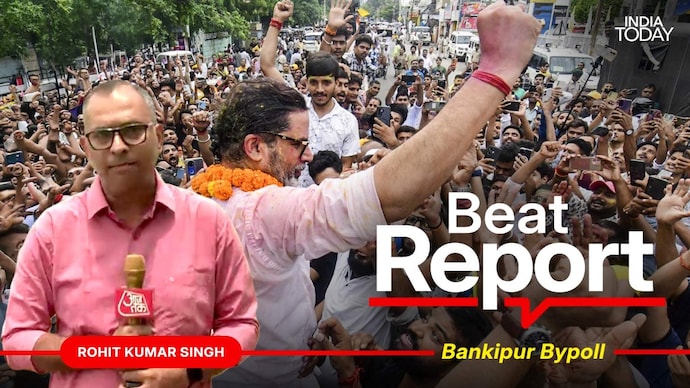
Prashant Kishor's victory in the Bankipur Assembly bypoll is undoubtedly a major setback for the BJP, which had held the prestigious Patna seat uninterrupted since 1995. But beyond the immediate electoral blow to the ruling party, the result may have wider implications for Bihar's opposition politics, particularly for RJD leader Tejashwi Yadav.
For the first time in years, Tejashwi is no longer the only prominent face challenging the NDA in Bihar. With Kishor now entering the Assembly as an elected MLA, the opposition space has become more crowded. He will not only have a legislative platform to take on the government but also an opportunity to build his image as a credible alternative ahead of future elections.
That makes Bankipur more than just a bypoll victory. It gives Kishor what he lacked after launching the Jan Suraaj Party -- electoral legitimacy.
The win is especially significant considering where Kishor stood less than a year ago. Jan Suraaj failed to make a breakthrough in the 2025 Assembly election, and Kishor himself chose not to contest.
Instead of retreating after that disappointment, he doubled down on grassroots politics, travelling extensively across Bihar, holding padyatras, addressing public meetings and steadily expanding the party's organisational network. Bankipur is being seen by his supporters as the first tangible reward for that sustained outreach.
His campaign also framed the bypoll as a "referendum" on the BJP-led government, tapping into the anti-incumbency mood that had surfaced during recent Gen Z-led protests in the state. The strategy appeared to work. Kishor defeated BJP's Neeraj Kumar by more than 19,000 votes, ending a three-decade BJP hold over a constituency represented most recently by former state BJP chief Nitin Nabin.
While the BJP lost its fortress, the RJD's performance may be equally worrying.
Tejashwi Yadav remains Bihar's biggest opposition leader, but the Bankipur result raises questions about the RJD's ability to retain that space unchallenged.
During much of the campaign, Tejashwi was away on a nearly three-week foreign trip and returned only towards the end to campaign for party candidate Rekha Gupta. The effort failed to change the outcome. Gupta finished a distant third with just over 14,000 votes and even lost her security deposit, despite having been the runner-up from the same seat in the 2025 Assembly election.
That sharp decline underlines a broader concern for the RJD. A section of anti-BJP voters appears willing to rally behind an alternative opposition face if they believe that candidate has a stronger chance of defeating the NDA.
Prashant Kishor also brings a different style of opposition politics.
Unlike Tejashwi, whose campaign has traditionally revolved around social justice and anti-incumbency, Kishor has consistently focused on governance, education, jobs, corruption and administrative reforms. His speeches tend to be policy-heavy, and his campaign has sought to position Jan Suraaj as a governance-first alternative rather than another caste-based political formation.
Whether that message can sustain electoral momentum across Bihar remains an open question. Bankipur is an urban constituency with its own political dynamics, and converting one bypoll victory into statewide support will be a far tougher challenge.
At the same time, it would be premature to write off Tejashwi. The RJD continues to have a far stronger organisation, an established vote base and a statewide network that Jan Suraaj is still trying to build. One bypoll does not alter that reality.
Yet, the symbolic value of Bankipur is difficult to ignore. Kishor has moved from being a political strategist-turned-activist to an elected legislator. That gives him visibility inside the Assembly and a new platform to shape the opposition narrative.
For the BJP, the verdict is a warning that even its safest urban bastions are no longer immune to political upsets. But for the opposition, the more lasting consequence may be the emergence of a second power centre.
The road to the next Assembly election is still long, but Bankipur has altered Bihar's political equation. The BJP has lost a fortress, but Tejashwi Yadav may now find himself fighting a different battle -- not just against the NDA, but also to remain the undisputed face of the opposition in Bihar.
Prashant Kishor's victory in the Bankipur Assembly bypoll is undoubtedly a major setback for the BJP, which had held the prestigious Patna seat uninterrupted since 1995. But beyond the immediate electoral blow to the ruling party, the result may have wider implications for Bihar's opposition politics, particularly for RJD leader Tejashwi Yadav.
For the first time in years, Tejashwi is no longer the only prominent face challenging the NDA in Bihar. With Kishor now entering the Assembly as an elected MLA, the opposition space has become more crowded. He will not only have a legislative platform to take on the government but also an opportunity to build his image as a credible alternative ahead of future elections.
That makes Bankipur more than just a bypoll victory. It gives Kishor what he lacked after launching the Jan Suraaj Party -- electoral legitimacy.
The win is especially significant considering where Kishor stood less than a year ago. Jan Suraaj failed to make a breakthrough in the 2025 Assembly election, and Kishor himself chose not to contest.
Instead of retreating after that disappointment, he doubled down on grassroots politics, travelling extensively across Bihar, holding padyatras, addressing public meetings and steadily expanding the party's organisational network. Bankipur is being seen by his supporters as the first tangible reward for that sustained outreach.
His campaign also framed the bypoll as a "referendum" on the BJP-led government, tapping into the anti-incumbency mood that had surfaced during recent Gen Z-led protests in the state. The strategy appeared to work. Kishor defeated BJP's Neeraj Kumar by more than 19,000 votes, ending a three-decade BJP hold over a constituency represented most recently by former state BJP chief Nitin Nabin.
While the BJP lost its fortress, the RJD's performance may be equally worrying.
Tejashwi Yadav remains Bihar's biggest opposition leader, but the Bankipur result raises questions about the RJD's ability to retain that space unchallenged.
During much of the campaign, Tejashwi was away on a nearly three-week foreign trip and returned only towards the end to campaign for party candidate Rekha Gupta. The effort failed to change the outcome. Gupta finished a distant third with just over 14,000 votes and even lost her security deposit, despite having been the runner-up from the same seat in the 2025 Assembly election.
That sharp decline underlines a broader concern for the RJD. A section of anti-BJP voters appears willing to rally behind an alternative opposition face if they believe that candidate has a stronger chance of defeating the NDA.
Prashant Kishor also brings a different style of opposition politics.
Unlike Tejashwi, whose campaign has traditionally revolved around social justice and anti-incumbency, Kishor has consistently focused on governance, education, jobs, corruption and administrative reforms. His speeches tend to be policy-heavy, and his campaign has sought to position Jan Suraaj as a governance-first alternative rather than another caste-based political formation.
Whether that message can sustain electoral momentum across Bihar remains an open question. Bankipur is an urban constituency with its own political dynamics, and converting one bypoll victory into statewide support will be a far tougher challenge.
At the same time, it would be premature to write off Tejashwi. The RJD continues to have a far stronger organisation, an established vote base and a statewide network that Jan Suraaj is still trying to build. One bypoll does not alter that reality.
Yet, the symbolic value of Bankipur is difficult to ignore. Kishor has moved from being a political strategist-turned-activist to an elected legislator. That gives him visibility inside the Assembly and a new platform to shape the opposition narrative.
For the BJP, the verdict is a warning that even its safest urban bastions are no longer immune to political upsets. But for the opposition, the more lasting consequence may be the emergence of a second power centre.
The road to the next Assembly election is still long, but Bankipur has altered Bihar's political equation. The BJP has lost a fortress, but Tejashwi Yadav may now find himself fighting a different battle -- not just against the NDA, but also to remain the undisputed face of the opposition in Bihar.
Prashant Kishor's victory in the Bankipur Assembly bypoll is undoubtedly a major setback for the BJP, which had held the prestigious Patna seat uninterrupted since 1995. But beyond the immediate electoral blow to the ruling party, the result may have wider implications for Bihar's opposition politics, particularly for RJD leader Tejashwi Yadav.
For the first time in years, Tejashwi is no longer the only prominent face challenging the NDA in Bihar. With Kishor now entering the Assembly as an elected MLA, the opposition space has become more crowded. He will not only have a legislative platform to take on the government but also an opportunity to build his image as a credible alternative ahead of future elections.
That makes Bankipur more than just a bypoll victory. It gives Kishor what he lacked after launching the Jan Suraaj Party -- electoral legitimacy.
The win is especially significant considering where Kishor stood less than a year ago. Jan Suraaj failed to make a breakthrough in the 2025 Assembly election, and Kishor himself chose not to contest.
Instead of retreating after that disappointment, he doubled down on grassroots politics, travelling extensively across Bihar, holding padyatras, addressing public meetings and steadily expanding the party's organisational network. Bankipur is being seen by his supporters as the first tangible reward for that sustained outreach.
His campaign also framed the bypoll as a "referendum" on the BJP-led government, tapping into the anti-incumbency mood that had surfaced during recent Gen Z-led protests in the state. The strategy appeared to work. Kishor defeated BJP's Neeraj Kumar by more than 19,000 votes, ending a three-decade BJP hold over a constituency represented most recently by former state BJP chief Nitin Nabin.
While the BJP lost its fortress, the RJD's performance may be equally worrying.
Tejashwi Yadav remains Bihar's biggest opposition leader, but the Bankipur result raises questions about the RJD's ability to retain that space unchallenged.
During much of the campaign, Tejashwi was away on a nearly three-week foreign trip and returned only towards the end to campaign for party candidate Rekha Gupta. The effort failed to change the outcome. Gupta finished a distant third with just over 14,000 votes and even lost her security deposit, despite having been the runner-up from the same seat in the 2025 Assembly election.
That sharp decline underlines a broader concern for the RJD. A section of anti-BJP voters appears willing to rally behind an alternative opposition face if they believe that candidate has a stronger chance of defeating the NDA.
Prashant Kishor also brings a different style of opposition politics.
Unlike Tejashwi, whose campaign has traditionally revolved around social justice and anti-incumbency, Kishor has consistently focused on governance, education, jobs, corruption and administrative reforms. His speeches tend to be policy-heavy, and his campaign has sought to position Jan Suraaj as a governance-first alternative rather than another caste-based political formation.
Whether that message can sustain electoral momentum across Bihar remains an open question. Bankipur is an urban constituency with its own political dynamics, and converting one bypoll victory into statewide support will be a far tougher challenge.
At the same time, it would be premature to write off Tejashwi. The RJD continues to have a far stronger organisation, an established vote base and a statewide network that Jan Suraaj is still trying to build. One bypoll does not alter that reality.
Yet, the symbolic value of Bankipur is difficult to ignore. Kishor has moved from being a political strategist-turned-activist to an elected legislator. That gives him visibility inside the Assembly and a new platform to shape the opposition narrative.
For the BJP, the verdict is a warning that even its safest urban bastions are no longer immune to political upsets. But for the opposition, the more lasting consequence may be the emergence of a second power centre.
The road to the next Assembly election is still long, but Bankipur has altered Bihar's political equation. The BJP has lost a fortress, but Tejashwi Yadav may now find himself fighting a different battle -- not just against the NDA, but also to remain the undisputed face of the opposition in Bihar.

