Attempt to defame me: Bhagwant Mann after Akal Takht declares him 'anti-Guru'
Punjab Chief Minister Bhagwant Mann has denied the Akal Takht's allegation that he appears in a controversial viral video. The clash has sharpened a wider contest over religious authority, political credibility and Sikh institutional influence.
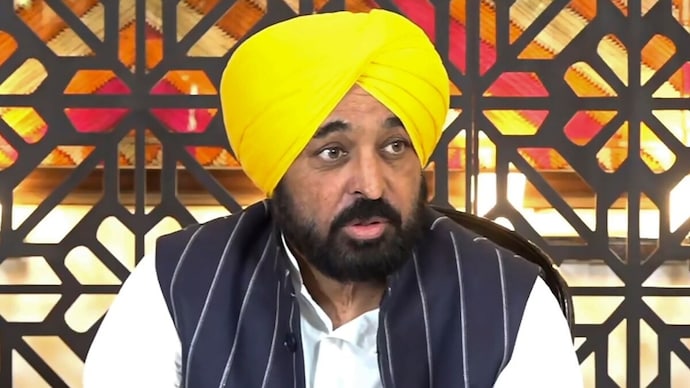

Punjab Chief Minister Bhagwant Mann has strongly denied allegations levelled against him by the Akal Takht, insisting that he is not the person seen in a controversial viral video and accusing political opponents of using religion as a tool to tarnish his image.
The row has escalated into one of the most significant confrontations between a sitting Punjab Chief Minister and Sikhism's highest temporal authority in recent years, after the Akal Takht declared Mann a "Guru Dokhi" and "Khalsa Panth Virodhi" and advised members of the Sikh community not to associate with him.
CM MANN DEFENDS HIMSELF
Responding publicly to the Akal Takht's June 15 directive, Mann categorically denied any connection to the video at the centre of the controversy. He said that when he appeared before the Akal Takht earlier this year, he had clearly informed the clergy that the person seen in the footage was not him.
"When I appeared before the Akal Takht, I clearly told them that the person shown in the video is not me. Neither the physique nor the height of that individual matches mine," he said.
Mann said he was surprised that, despite his explanation, the Akal Takht had proceeded with such a severe declaration. "It is unfortunate that people sitting on such important religious seats are doing all this on the direction of their political masters," he added.
While reiterating his respect for the institution of the Akal Takht, Mann alleged that certain political interests were attempting to defame him. "I totally disassociate myself from this video. This is nothing but an attempt to defame me," he said.
WHAT TRIGGERED THE CONTROVERSY
The dispute centres on a viral video that Sikh religious authorities described as offensive and hurtful to Sikh sentiments. The controversy was further aggravated by remarks attributed to Mann regarding alleged thefts from Guru Ki Golak, the donation boxes maintained at gurdwaras.
In January this year, the Akal Takht summoned Mann to explain what it described as anti-Sikh remarks, objectionable conduct and his alleged involvement in the video controversy.
Mann appeared before the Akal Takht Secretariat on January 15 and rejected the allegations, arguing that the video was either fabricated or AI-generated.
According to the Akal Takht, Mann's office did not respond to a subsequent communication sent on January 27. The Sikh clergy then sent the footage to two government-recognised forensic laboratories for examination. Citing those findings, the Akal Takht announced on June 15 that it considered the video authentic and accused Mann of misleading the institution during his appearance.
AKAL TAKHT'S JUNE 15 DECLARATION
Following a meeting of the five Sikh high priests led by officiating Jathedar Giani Kuldeep Singh Gargaj, the Akal Takht issued one of its strongest condemnations of a serving political leader.
The clergy declared Mann a "Guru Dokhi" (betrayer of the Guru) and "Khalsa Panth Virodhi" (opposed to the Khalsa Panth), and advised members of the Sikh community not to maintain social or religious ties with him.
The decision, according to the clergy, was based on forensic findings regarding the video and Mann's alleged false statements before the Akal Takht.
IMPACT ON AAP, BHAGWANT MANN
The Akal Takht's directives do not carry legal force under Indian law. However, they continue to hold considerable religious and moral influence among sections of the Sikh community.
Political analyst Professor Kuldeep Singh described the development as a natural progression of the controversy. He said that under normal circumstances, such a declaration could have caused significant political damage to Mann while benefiting those who raised the issue.
However, he argued that the Shiromani Akali Dal's own record continues to affect its credibility and that the Akal Takht's image has also been weakened by perceptions of proximity to the Akali Dal.
According to Singh, the AAP's electoral appeal is not primarily rooted in Panthic politics.
"Such instances would normally have caused serious damage," he said. "But Mann's defence that the Akal Takht has become a puppet of the Akali Dal limits the impact. There will be some damage, but it may not be as severe because the AAP is not seen as a Panthic party."
Another political analyst, speaking on condition of anonymity, said the Akal Takht's institutional authority had been diluted in recent years because of controversies surrounding the appointment and removal of Jathedars.
The analyst argued that the 2015 pardon granted to Gurmeet Ram Rahim had caused lasting damage to the Akal Takht's credibility.
According to him, Mann has multiple lines of defence, including arguments that the directive was not fully implemented, that the Akal Takht is increasingly viewed by critics as an extension of the Akali Dal, and that the clergy acted in haste.
"As things stand, the damage is limited and has instead given the AAP ammunition to hit back," he said.
THE BOTTOM LINE
What began as a dispute over a viral video has evolved into a broader confrontation involving religious authority, political legitimacy and competing narratives about Sikh institutions. Whether the controversy remains confined to the religious sphere or develops into a major political issue ahead of the 2027 Punjab Assembly elections will become clearer in the months ahead.
Punjab Chief Minister Bhagwant Mann has strongly denied allegations levelled against him by the Akal Takht, insisting that he is not the person seen in a controversial viral video and accusing political opponents of using religion as a tool to tarnish his image.
The row has escalated into one of the most significant confrontations between a sitting Punjab Chief Minister and Sikhism's highest temporal authority in recent years, after the Akal Takht declared Mann a "Guru Dokhi" and "Khalsa Panth Virodhi" and advised members of the Sikh community not to associate with him.
CM MANN DEFENDS HIMSELF
Responding publicly to the Akal Takht's June 15 directive, Mann categorically denied any connection to the video at the centre of the controversy. He said that when he appeared before the Akal Takht earlier this year, he had clearly informed the clergy that the person seen in the footage was not him.
"When I appeared before the Akal Takht, I clearly told them that the person shown in the video is not me. Neither the physique nor the height of that individual matches mine," he said.
Mann said he was surprised that, despite his explanation, the Akal Takht had proceeded with such a severe declaration. "It is unfortunate that people sitting on such important religious seats are doing all this on the direction of their political masters," he added.
While reiterating his respect for the institution of the Akal Takht, Mann alleged that certain political interests were attempting to defame him. "I totally disassociate myself from this video. This is nothing but an attempt to defame me," he said.
WHAT TRIGGERED THE CONTROVERSY
The dispute centres on a viral video that Sikh religious authorities described as offensive and hurtful to Sikh sentiments. The controversy was further aggravated by remarks attributed to Mann regarding alleged thefts from Guru Ki Golak, the donation boxes maintained at gurdwaras.
In January this year, the Akal Takht summoned Mann to explain what it described as anti-Sikh remarks, objectionable conduct and his alleged involvement in the video controversy.
Mann appeared before the Akal Takht Secretariat on January 15 and rejected the allegations, arguing that the video was either fabricated or AI-generated.
According to the Akal Takht, Mann's office did not respond to a subsequent communication sent on January 27. The Sikh clergy then sent the footage to two government-recognised forensic laboratories for examination. Citing those findings, the Akal Takht announced on June 15 that it considered the video authentic and accused Mann of misleading the institution during his appearance.
AKAL TAKHT'S JUNE 15 DECLARATION
Following a meeting of the five Sikh high priests led by officiating Jathedar Giani Kuldeep Singh Gargaj, the Akal Takht issued one of its strongest condemnations of a serving political leader.
The clergy declared Mann a "Guru Dokhi" (betrayer of the Guru) and "Khalsa Panth Virodhi" (opposed to the Khalsa Panth), and advised members of the Sikh community not to maintain social or religious ties with him.
The decision, according to the clergy, was based on forensic findings regarding the video and Mann's alleged false statements before the Akal Takht.
IMPACT ON AAP, BHAGWANT MANN
The Akal Takht's directives do not carry legal force under Indian law. However, they continue to hold considerable religious and moral influence among sections of the Sikh community.
Political analyst Professor Kuldeep Singh described the development as a natural progression of the controversy. He said that under normal circumstances, such a declaration could have caused significant political damage to Mann while benefiting those who raised the issue.
However, he argued that the Shiromani Akali Dal's own record continues to affect its credibility and that the Akal Takht's image has also been weakened by perceptions of proximity to the Akali Dal.
According to Singh, the AAP's electoral appeal is not primarily rooted in Panthic politics.
"Such instances would normally have caused serious damage," he said. "But Mann's defence that the Akal Takht has become a puppet of the Akali Dal limits the impact. There will be some damage, but it may not be as severe because the AAP is not seen as a Panthic party."
Another political analyst, speaking on condition of anonymity, said the Akal Takht's institutional authority had been diluted in recent years because of controversies surrounding the appointment and removal of Jathedars.
The analyst argued that the 2015 pardon granted to Gurmeet Ram Rahim had caused lasting damage to the Akal Takht's credibility.
According to him, Mann has multiple lines of defence, including arguments that the directive was not fully implemented, that the Akal Takht is increasingly viewed by critics as an extension of the Akali Dal, and that the clergy acted in haste.
"As things stand, the damage is limited and has instead given the AAP ammunition to hit back," he said.
THE BOTTOM LINE
What began as a dispute over a viral video has evolved into a broader confrontation involving religious authority, political legitimacy and competing narratives about Sikh institutions. Whether the controversy remains confined to the religious sphere or develops into a major political issue ahead of the 2027 Punjab Assembly elections will become clearer in the months ahead.

