Jaishankar's 'political calculations' remark days after Rubio defends US-Pak ties
Jaishankar said terrorism persisted because "not all states really display zero tolerance" towards it, with some continuing to prioritise political calculations despite the lessons of history.
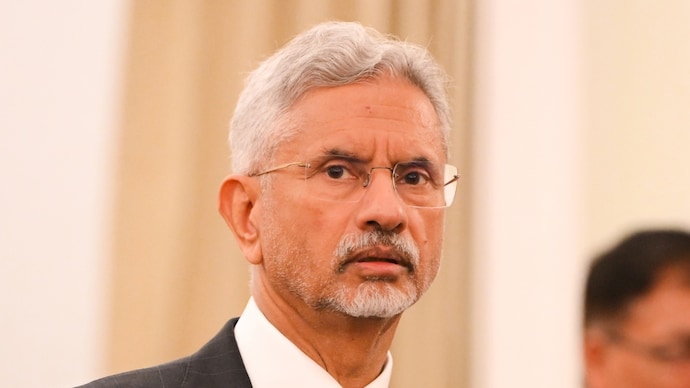
External Affairs Minister S Jaishankar on Sunday once again underlined India's stance that terrorism shouldn't be used as an "instrument of statecraft", saying it could never be justified or rationalised, as he called on all nations to show zero tolerance towards the threat.
Speaking at an event in New Delhi, Jaishankar said terrorism persisted because "not all states really display zero tolerance" towards it, with some continuing to prioritise political calculations despite the lessons of history.
"Terrorism is another deadly threat to peace. Its usage as an instrument of statecraft is simply unacceptable. It can never be justified. It can never be rationalised. Yet, it continues because not all states really display zero tolerance. Despite history, holding so many lessons, some still allow political calculations to take precedence," he said, without naming any country.
Jaishankar's remarks came days after Rubio defended Washington’s closer ties with Pakistan during his India visit, arguing that engagement with Islamabad could give Washington greater influence over its decisions, including on terrorism.
“I think it allows us to have, hopefully, more influence over the decisions they make on a variety of topics,” Rubio said, adding that “no country in the world does more to go after terrorism than the United States”.
In an exclusive interview with India Today on Thursday, Rubio reiterated that Washington's engagement with Islamabad would not undermine its partnership with New Delhi, saying the two countries shared concerns over terrorism.
“In no way does the relationship with Pakistan come at the expense of our relationship with India,” Rubio said during the interview at Mumbai’s Taj Mahal Palace Hotel, one of the sites targeted in the 26/11 terror attacks in 2008.
Meanwhile, at Sunday's event, Jaishankar also underscored the need to safeguard peace amid ongoing global conflicts, warning that wars in one region could threaten stability worldwide.
“Let us consider the indivisibility of peace. Now, war anywhere threatens peace everywhere,” he said.
Referring to the conflicts in Ukraine and West Asia, he said India echoed the global sentiment that dialogue and diplomacy remained the only solutions.
Jaishankar also called for greater global awareness of the common threat posed by terrorism and stronger collective resolve to counter it “in all its forms and manifestations”, stressing that political considerations could not justify the use of terror.

