FSSAI expands probe beyond Bisleri, tests samples from all packaged water brands
With Bisleri facing prosecution over unsafe water findings, FSSAI is stepping up quality checks across the packaged drinking water market. The regulator has collected random samples from multiple brands and is also examining misleading labels and names resembling established companies.
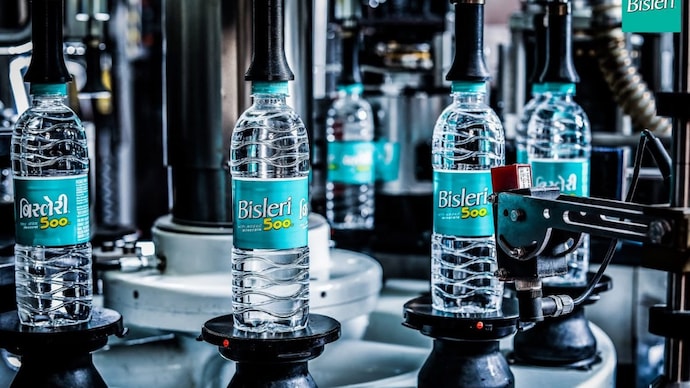
The Food Safety and Standards Authority of India (FSSAI) has widened its crackdown on packaged drinking water, bringing all brands under its scanner. The regulator has collected random samples from different packaged water brands as part of its expanded inspection drive, with reports of the tests expected soon.
Samples of several packaged water brands had also been collected earlier, including those of Bisleri. The latest move puts the entire bottled water market under scrutiny as FSSAI steps up action against substandard drinking water.
The expanded checks come amid the row over Bisleri after FSSAI sanctioned prosecution against the company over a sample of its packaged drinking water being declared unsafe in laboratory tests.
According to the regulator, a sample of packaged drinking water collected from Bisleri International's premises failed to comply with the prescribed bromate limits and was declared unsafe under the Food Safety and Standards Act, 2006. After the company appealed, the sample was sent to a referral food laboratory, which also declared it unsafe after detecting polynuclear aromatic hydrocarbons (PAHs).
Bisleri has disputed the findings and maintained that its packaged drinking water is safe for consumption. In a statement on November 23, the company said the matter related to a batch manufactured at its Goa facility in September 2025.
According to Bisleri, FSSAI collected six samples from the facility on September 30, 2025. Initial testing found that five met the applicable standards, while one recorded bromate levels of 12 micrograms per litre against the prescribed limit of 10 micrograms per litre.
The company said it appealed against the finding, following which the sample was sent to a referral laboratory. Bisleri maintained that the referral laboratory found bromate levels within the prescribed limit but separately flagged the presence of PAHs.
"To date, Bisleri has received no notice by email or in hard copy and has been unable to locate the reported notice on FSSAI's website," the company said. It added that it conducts more than 90 quality tests across its 10-step manufacturing process and would continue to cooperate with the regulator.
The company subsequently got the same sample tested at an FSSAI-approved laboratory, which also found bromate levels within permissible limits. Bisleri said it submitted the independent test results to FSSAI's Western Regional Office on February 2, 2026, but received no further communication and understood the matter to have been closed.
Apart from testing water quality, FSSAI is also keeping a watch on brands using names and labels that closely resemble those of established packaged water companies. The regulator is expected to take action against companies found using misleading or lookalike names and labelling.

