Actors see them before release: Mirzapur director on filming intimate scenes
Director Gurmmeet Singh explained how Mirzapur actors help shape sensitive scenes and review them before release. His approach highlights consent, transparency and performers' comfort amid renewed debate over the male gaze.
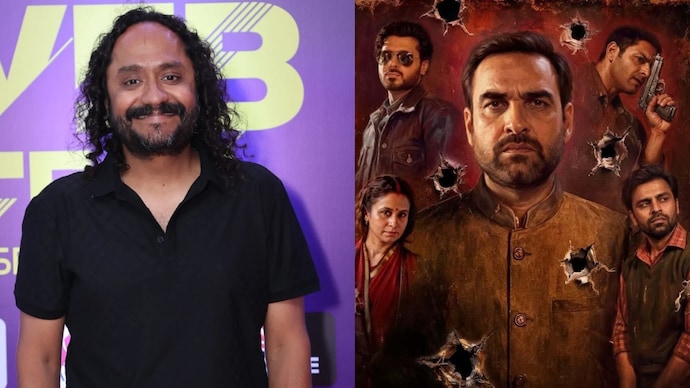
The conversation around how women are filmed, framed and presented on screen has become difficult to ignore. And rightly so. From camera angles that draw attention to an actor’s body to scenes that leave performers questioning how their characters have been portrayed, the debate around the male gaze and consent in filmmaking has once again taken centre stage. Now, Mirzapur director Gurmmeet Singh has weighed in, explaining how he ensures female actors feel safe and comfortable while shooting sensitive scenes.
In an exclusive conversation with India Today, Singh said the trust built with the cast of Mirzapur over the years has helped establish a filmmaking environment where the story comes before anything else. Stressing that actors must have a say in how intimate or sensitive scenes are shot, the director said, “With the group at Mirzapur, I think there’s now a certain trust that’s been built over time. Everybody knows that the intent is to be story-first, emotion-first. Thankfully, the body of work allows us now to not have to worry about that so much. People also trust us with the fact that everything will be done with a certain aesthetic, and that’s been the aim anyway."
For Gurmmeet Singh, however, trust cannot simply be assumed. It has to be built through transparency and collaboration, particularly when actors are required to perform scenes that could make them uncomfortable. He believes they should be given all the information beforehand and be actively involved in deciding what works for them and what doesn’t. “When you’re working with sensitive scenes, I think it’s best to have the actors also take a lead in deciding what works for them, what doesn’t. They are informed about everything before you make any decision,” the filmmaker said.
Interestingly, he also revealed that this conversation does not end once the cameras stop rolling. The team also makes it a point to show actors the relevant scenes before the final release, giving them an opportunity to flag anything they are uncomfortable with. Singh said, "Even within the process, that’s something that we followed. Even post it, they’ve been shown the scenes before the release, before we sort of commit to it. Only once they feel comfortable is it put out. Because that, I think, is most important. Because, most importantly, we have responsibilities towards them, and hopefully that will also help us tell the story in a more responsible manner."
Mirzapur: The Movie recently dropped an extended cut on Prime Video. The film stars Pankaj Tripathi, Rasika Dugal, Divyenndu, Ali Fazal and Jeetendra Kumar, among others.
The Janhvi Kapoor controversy and question of consent
Singh’s comments come amid renewed scrutiny of how women are portrayed on screen, particularly after the controversy surrounding Janhvi Kapoor’s role in Ram Charan-starrer Peddi. The actor faced criticism over the sexualised camera angles used to portray her character, Achiyamma, prompting director Buchi Babu Sana to issue a public apology and promise changes.
Months later, Janhvi addressed the backlash on Koffee With Karan Season 9, admitting that she could have been more assertive about how she was being filmed and describing the experience as violating. The episode once again raised an important question: how much agency do female actors really have over the way their bodies and characters are presented on screen?
And that is precisely where conversations between directors and actors become crucial. While the creative vision of a filmmaker remains important, ensuring that performers are informed, heard and comfortable should not be an afterthought.

