Uphill task ahead for Mamata as battle for TMC control spans Delhi and Kolkata
If rival factions formally claim to be the "real" Trinamool Congress, the Election Commission may be required to examine organisational support, legislative strength and party structure before deciding control.
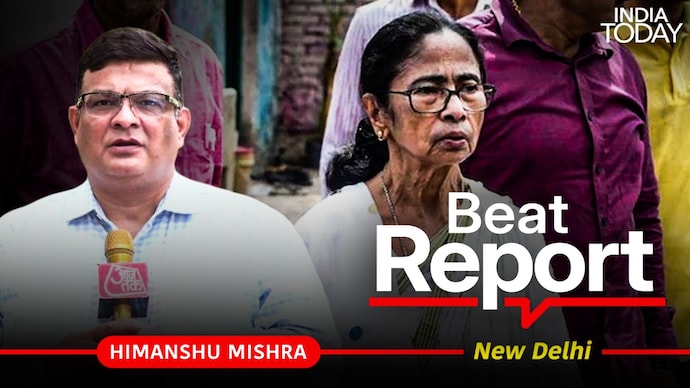
With dissident MLAs asserting control in Kolkata and rebel MPs mounting a parallel challenge in Delhi, Trinamool Congress supremo Mamata Banerjee has been pushed into two-pronged simultaneous political and legal battles to retain control over the party she built and prevent a deeper split.
The crisis follows the TMC's poor performance in the recent West Bengal Assembly elections, where the party lost power after 15 years and was reduced to 80 seats in the 294-member House.
The defeat triggered discontent across party ranks and sharpened internal criticism of the leadership structure, particularly the growing influence of national general secretary Abhishek Banerjee.
THE KOLKATA DERBY
The first TMC versus TMC front has opened in the West Bengal Assembly. A large group of party legislators, led by Leader of Opposition Ritabrata Banerjee, broke away from the official camp and claimed support from more than 60 MLAs. The dissident bloc argues that it represents the “real” Trinamool Congress and has begun asserting control over the party’s legislative identity in Bengal.
Unlike earlier defections that resulted in leaders joining rival parties, this rebellion is attempting to retain ownership of the TMC’s political identity rather than abandon it.
Ritubrata has publicly stated that the split is only beginning and predicted that the rebellion would spread further into district and block-level structures.
THE BATTLE IN DELHI
At the same time, Mamata faces a second and potentially more complicated battle in Delhi.
Twenty rebel TMC MPs, including prominent names like Kakoli Ghosh Dastidar, Yusuf Pathan, Saayoni Ghosh, and Bapi Haldar have broken ranks in Parliament and announced their merger with the Nationalist Citizens Party of India (NCPI), a little-known registered political outfit.
The move followed organisational changes within NCPI, including leadership reshuffles that enabled the rebel MPs to formally align themselves with the party.
The rebels have informed the Lok Sabha Speaker of their decision and are seeking recognition as a separate parliamentary formation while also staking a claim to represent the authentic political mandate of the TMC.
Their strategy appears designed to invoke anti-defection protections available under merger provisions.
For Mamata’s camp – comprising MPs such as Mahua Moitra, Saugata Roy, Kalyan Banerjee and Shatrughan Sinha – the objective now is to block recognition of the merger and seek disqualification of the MPs under the Tenth Schedule of the Constitution.
The official faction has argued that legislators alone cannot engineer a merger without the original political party approving such a move.
THE LEGAL COMPLICATIONS
A formal challenge has already been initiated before the Speaker, citing legal principles emerging from the Supreme Court’s judgment in the Maharashtra political crisis involving the Shiv Sena split.
The argument centres on whether elected representatives can independently redefine party identity.
The legal complications do not end there.
Questions over ownership of the TMC name and election symbol are expected to eventually reach the Election Commission.
If rival factions formally claim to be the “real” Trinamool Congress, the Commission may be required to examine organisational support, legislative strength and party structure before deciding control.
There also remains the possibility of the party symbol being frozen and separate symbols being allocated to competing groups.
Politically, the uncertainty creates fresh risks ahead of the next Lok Sabha elections.
Some rebel MPs are expected to move closer to the BJP-led NDA, while others may seek independent regional positioning.
The dissident MLAs in Bengal, meanwhile, appear determined to build a parallel power centre rather than align with the parliamentary rebels.
For Mamata Banerjee, the coming months will determine whether TMC survives as a unified regional force or enters a prolonged phase of fragmentation.
What began as post-election dissent has evolved into a battle over legitimacy, leadership and political inheritance — one that could reshape West Bengal politics and influence national equations in the run-up to next year’s electoral contests.
With dissident MLAs asserting control in Kolkata and rebel MPs mounting a parallel challenge in Delhi, Trinamool Congress supremo Mamata Banerjee has been pushed into two-pronged simultaneous political and legal battles to retain control over the party she built and prevent a deeper split.
The crisis follows the TMC's poor performance in the recent West Bengal Assembly elections, where the party lost power after 15 years and was reduced to 80 seats in the 294-member House.
The defeat triggered discontent across party ranks and sharpened internal criticism of the leadership structure, particularly the growing influence of national general secretary Abhishek Banerjee.
THE KOLKATA DERBY
The first TMC versus TMC front has opened in the West Bengal Assembly. A large group of party legislators, led by Leader of Opposition Ritabrata Banerjee, broke away from the official camp and claimed support from more than 60 MLAs. The dissident bloc argues that it represents the “real” Trinamool Congress and has begun asserting control over the party’s legislative identity in Bengal.
Unlike earlier defections that resulted in leaders joining rival parties, this rebellion is attempting to retain ownership of the TMC’s political identity rather than abandon it.
Ritubrata has publicly stated that the split is only beginning and predicted that the rebellion would spread further into district and block-level structures.
THE BATTLE IN DELHI
At the same time, Mamata faces a second and potentially more complicated battle in Delhi.
Twenty rebel TMC MPs, including prominent names like Kakoli Ghosh Dastidar, Yusuf Pathan, Saayoni Ghosh, and Bapi Haldar have broken ranks in Parliament and announced their merger with the Nationalist Citizens Party of India (NCPI), a little-known registered political outfit.
The move followed organisational changes within NCPI, including leadership reshuffles that enabled the rebel MPs to formally align themselves with the party.
The rebels have informed the Lok Sabha Speaker of their decision and are seeking recognition as a separate parliamentary formation while also staking a claim to represent the authentic political mandate of the TMC.
Their strategy appears designed to invoke anti-defection protections available under merger provisions.
For Mamata’s camp – comprising MPs such as Mahua Moitra, Saugata Roy, Kalyan Banerjee and Shatrughan Sinha – the objective now is to block recognition of the merger and seek disqualification of the MPs under the Tenth Schedule of the Constitution.
The official faction has argued that legislators alone cannot engineer a merger without the original political party approving such a move.
THE LEGAL COMPLICATIONS
A formal challenge has already been initiated before the Speaker, citing legal principles emerging from the Supreme Court’s judgment in the Maharashtra political crisis involving the Shiv Sena split.
The argument centres on whether elected representatives can independently redefine party identity.
The legal complications do not end there.
Questions over ownership of the TMC name and election symbol are expected to eventually reach the Election Commission.
If rival factions formally claim to be the “real” Trinamool Congress, the Commission may be required to examine organisational support, legislative strength and party structure before deciding control.
There also remains the possibility of the party symbol being frozen and separate symbols being allocated to competing groups.
Politically, the uncertainty creates fresh risks ahead of the next Lok Sabha elections.
Some rebel MPs are expected to move closer to the BJP-led NDA, while others may seek independent regional positioning.
The dissident MLAs in Bengal, meanwhile, appear determined to build a parallel power centre rather than align with the parliamentary rebels.
For Mamata Banerjee, the coming months will determine whether TMC survives as a unified regional force or enters a prolonged phase of fragmentation.
What began as post-election dissent has evolved into a battle over legitimacy, leadership and political inheritance — one that could reshape West Bengal politics and influence national equations in the run-up to next year’s electoral contests.

