Vietnamese crab exporter

Topic

Advertisement
TOPIC

West Bengal

West Bengal is a state situated in eastern India and shares its borders with Jharkhand, Bihar, Assam, Odisha, Sikkim and the Bay of Bengal washes its southern frontiers. Bengal also shares international borders with Nepal, Bangladesh and Bhutan.

The state capital is Kolkata and Asansol, Siliguri, Durgapur, Howrah, Baharampur, Jalpaiguri are some of the other major cities in the state. It is the fourth-largest state in population and the fourteenth-largest state by area in India. Bengali is the main language of the state and is spoken by the majority of the population. Other languages include Hindi, Santali, Urdu and Nepali (largely spoken in the Darjeeling area).

The state is the largest producer of rice in the country and is the second-largest tea-producing state. West Bengal is also a major producer of fish.

The main river in West Bengal is the Ganga, which further divides into two branches. Other rivers to flow through Bengal are the Hooghly, Bhagirathi, Teesta, Torsa, Mahananda, Kangsabati. The state also includes the Darjeeling Himalayan hill region which is home to the globally acclaimed Darjeeling tea variety. The main seasons witnessed by the state are summer, monsoon, short autumn and winter.

West Bengal houses distinct natural attractions including an impressive mountain range, variety of wildlife, verdant tea gardens and the world's largest mangrove forests, the Sunderbans. In addition to this, the state also has a rich tradition of art, craft, culture and cuisine. Durga Puja is the biggest, most popular and widely celebrated festival in West Bengal. The colourful and auspicious Hindu festival includes intense celebration, big pandals and transformation across the state.

  • ALL
  • STORIES
  • VIDEOS

STORIES

111 MPs/MLAs switched parties after wins, Nagaland tops list: Poll watchdog

ADR and National Election Watch found that 111 MPs and MLAs changed parties after winning elections between 2022 and 2026. The analysis highlighted the scale of defections and called for reforms to the anti-defection framework, including time limits for deciding disqualification petitions and curbs on defectors holding public office.

Load More

VIDEOS

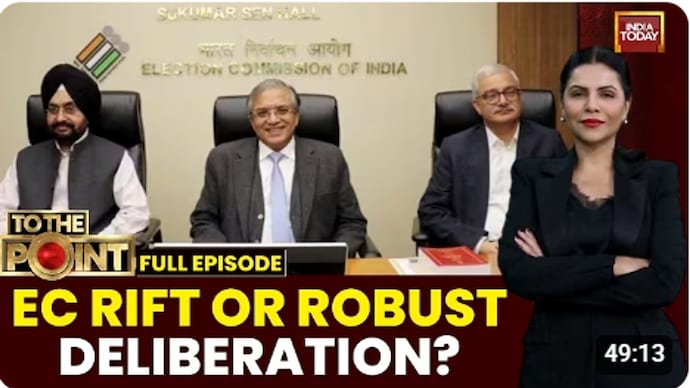
EC Rift Row: Form 6 Changes, Voter Database Centralisation & Bengal SIR Explained

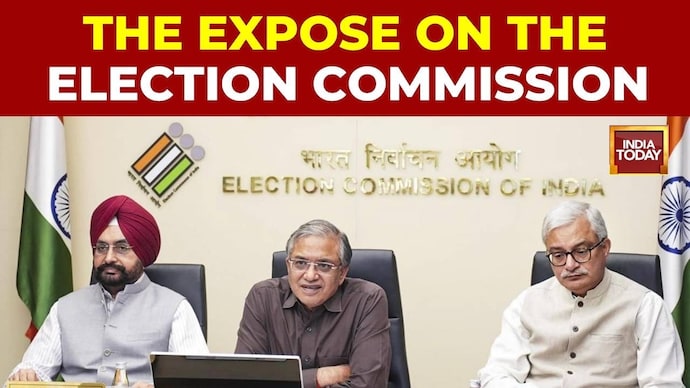
A major controversy has emerged over alleged internal rifts within the Election Commission of India following an expose. Election Commissioners Sukhbir Singh Sandhu and Vivek Joshi reportedly registered formal objections at least 14 times over 10 months against decisions taken without their knowledge or approval. Three main issues form the core of the allegations: alterations to Form 6 requiring new applicants to declare their ancestors' presence on previous electoral rolls, the centralisation of the voter database in Delhi through ECI Net, and the filing of appeals regarding West Bengal voter inclusions without consulting the commissioners or the state Chief Electoral Officer. While the poll panel stated that differing views are normal during deliberations, key questions surrounding these decisions remain unanswered.

CEC and ECs Project United Front, Clarify SIR Decisions Unanimous Amid Rift Claims

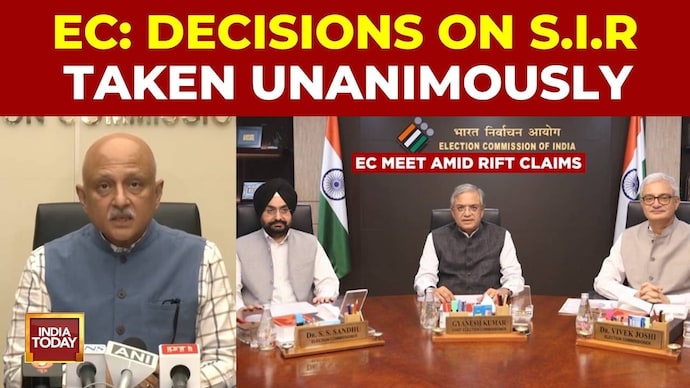
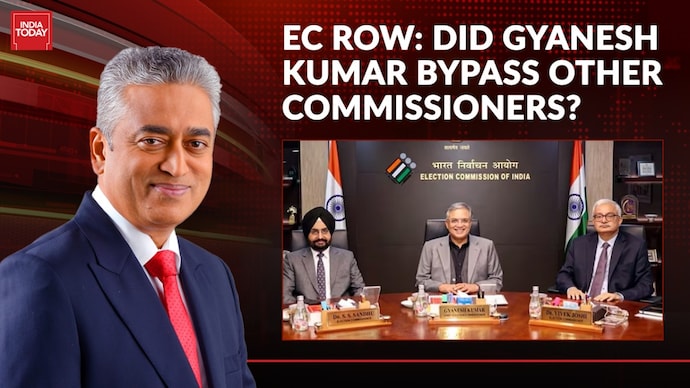
The Election Commission of India has refuted allegations of internal discord, presenting a united front following a key meeting at Nirvachan Sadan in New Delhi. Chief Election Commissioner Gyanesh Kumar, alongside Election Commissioners Dr Sukhbir Singh Sandhu and Dr Vivek Joshi, clarified that major decisions, including the Special Intensive Revision across states and union territories, were taken unanimously. The commission noted that orders concerning SIR in Bihar, West Bengal, and other regions received unanimous approval and referenced Supreme Court backing. Officials also addressed media reports alleging centralization of power and internal objections, confirming extensions for SIR processes to assist voters.

Election Commission Puts Up United Front Amid Administrative Letter Row and SIR Decision Queries

The Election Commission of India has clarified that all decisions taken by the poll body, including the conduct of the Special Intensive Revision across states and union territories, were unanimous. Addressing reports regarding letters written by Election Commissioners, the poll body stated that the communication addressed to the Cabinet Secretary was strictly administrative in nature, concerning the functioning of an officer on deputation, and not related to any policy matters or the oversight of the Information Technology division. The Commission noted that the Special Intensive Revision orders for 12 states and union territories on 27 October and for 19 states and union territories on 14 May received unanimous approval and align with directives upheld by the Supreme Court of India. Dismissing opposition allegations of an internal divide, the Commission affirmed that administrative feedback reflects healthy internal deliberation and adherence to rules, maintaining that the poll body remains completely united in conducting fair elections across the country.

CPM Leader MA Baby Backs Broader Platform: 'INDIA Bloc Is Important, but It Has to Be INDIA Bloc Plus'

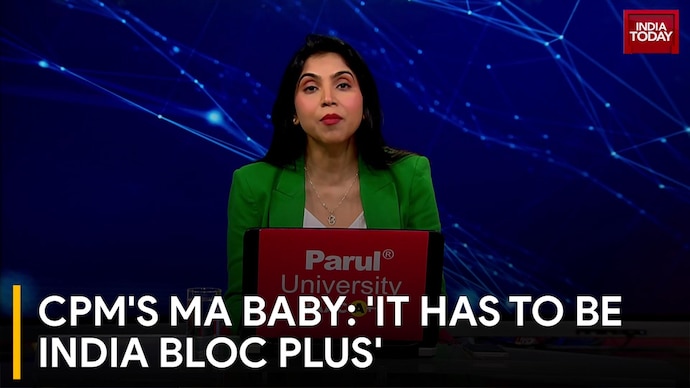
Communist Party of India (Marxist) leader MA Baby has reached out to non-NDA parties, including the Trinamool Congress, seeking wider opposition cooperation. Speaking on his conversation with West Bengal Chief Minister Mamata Banerjee, he said: "INDIA bloc is important, but it has to be INDIA bloc plus." The initiative seeks to bring together parties outside the National Democratic Alliance on national issues, despite decades of regional rivalry between the Left and the Trinamool Congress in Bengal.

TMC Leader's Car Attacked In Hooghly, Eggs Thrown And Window Smashed

A Trinamool Congress leader's car was gheraoed and attacked in Uttarpara, Hooghly district, while en route to a public rally addressed by West Bengal Chief Minister Mamata Banerjee in Serampore. A group of people carrying black flags surrounded the vehicle, shouted slogans, pelted eggs, and smashed the rear window, causing minor injuries from shattered glass. While Trinamool Congress alleged that the incident was orchestrated by the Bharatiya Janata Party to disrupt the rally, the opposition party rejected the allegations. Police have initiated an investigation into the incident.

INDIA Bloc Considers Joint Front, Demands CEC Resignation Over Poll Irregularities

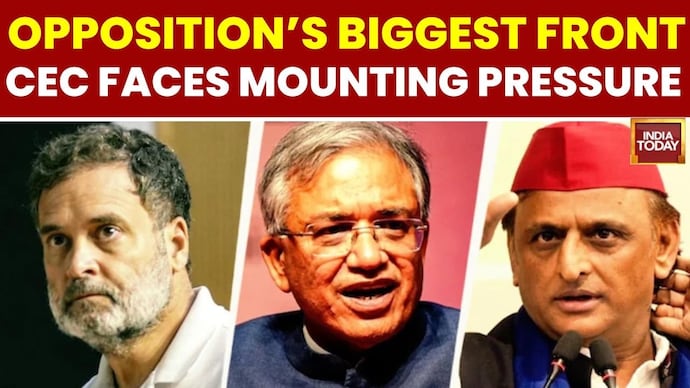
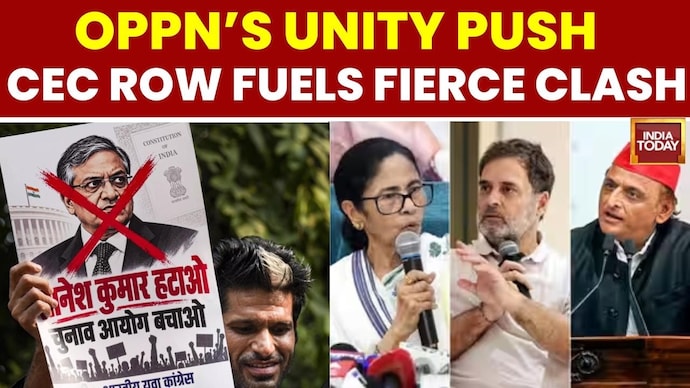
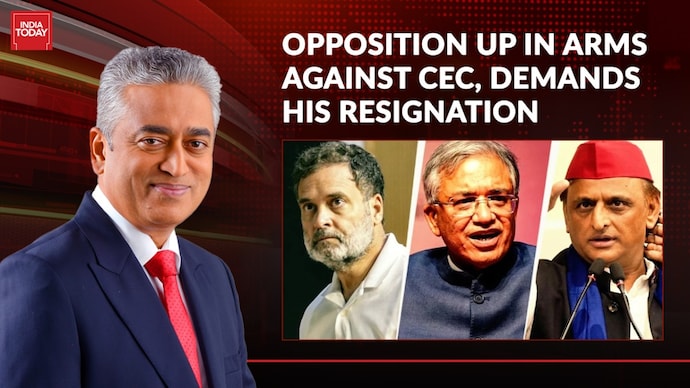
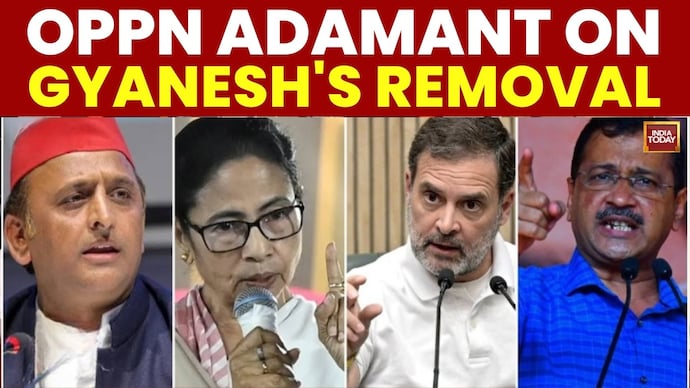
Opposition parties within the INDIA bloc and broader regional outfits are stepping up consultations to formulate a coordinated strategy demanding the resignation and criminal proceedings against Chief Election Commissioner Gyanesh Kumar over alleged electoral irregularities. Top leaders, including Abhishek Banerjee and Rahul Gandhi, have held discussions regarding allegations of voter data and procedural inconsistencies in recent assembly elections. Efforts are underway to organise a joint meeting followed by an opposition media briefing to formalise their campaign. Parties including the Trinamool Congress, Communist Party of India (Marxist), Aam Aadmi Party, and regional groups are being approached to form an expanded front. Concurrently, public demonstration ultimatums have been issued demanding institutional accountability. NDA allies have also underscored the importance of institutional transparency, urging the Election Commission of India to publicly clarify concerns and uphold public trust in democratic electoral processes.

Opposition Unites Against CEC, TMC Reaches Out to Left, BJP Alleges Survival Tactic

Opposition parties are uniting to seek the resignation of the Chief Election Commissioner, with Trinamool Congress chief Mamata Banerjee reaching out to long-time political rival CPI(M) and holding discussions with Rahul Gandhi to convene an all-opposition meeting in Delhi. CPI(M) General Secretary MA Baby wrote to INDIA bloc constituents on 23 September, drawing a swift response from Banerjee, whose party MPs are reportedly in touch with left leaders at the Centre. TMC asserts that rivalries must be set aside to save democracy. Meanwhile, the Bharatiya Janata Party mounted an attack, stating that neither the Trinamool Congress nor the CPI(M) holds significant presence in West Bengal following recent assembly elections. Calling the unity a survival tactic and optics, the BJP stated that the opposition must take their proof to court rather than protesting on the streets. Congress members have staged nationwide street protests, including demonstrations in Kolkata, as opposition parties amplify their agitation against the CEC.

Aryama Sundaram: 'The Court Is The Last Recourse, Not The First Recourse'

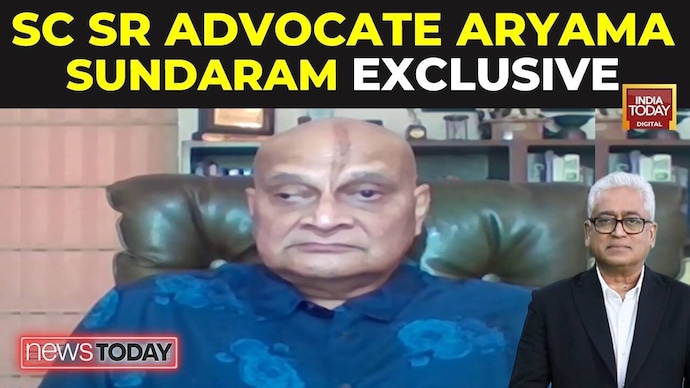
In an interview with Rajdeep Sardesai on India Today, Senior Advocate of the Supreme Court Aryama Sundaram evaluated the legality and administrative flaws of the Special Intensive Revision (SIR) exercise. Sundaram noted that while the constitutional concept of the policy was upheld, its actual rollout remains subject to legal challenges. He stated, 'The correctness of the actions being implemented thereunder are always subject to judicial review.' Addressing mass voter deletions and tribunals overwhelmed by appeals, he stressed that courts cannot be expected to quickly fix deep administrative failures, pointing out that resolving pending disputes could take a decade due to lack of adequate machinery. Emphasizing that free and fair elections are the fulcrum of democracy, Sundaram remarked that the execution of the process was critical, stating that both the executive and the Election Commission have failed to properly handle implementation.

Bengal Congress Stages Protest In Kolkata, Demands Election Commission Chief's Arrest

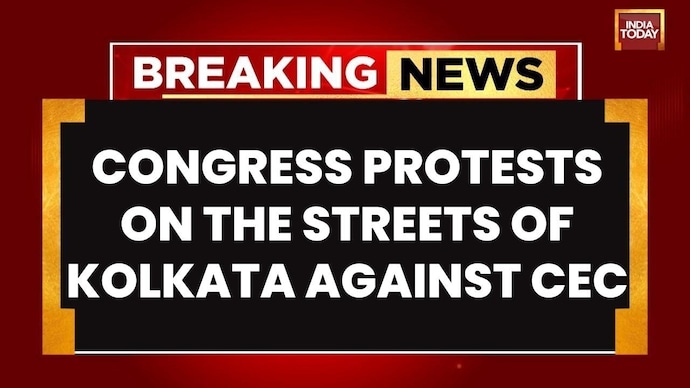
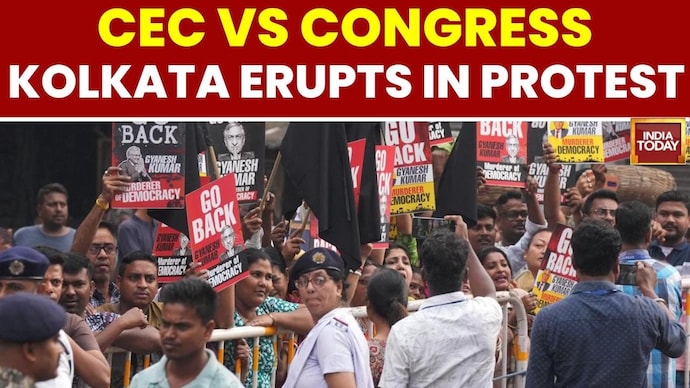
Congress workers took to the streets in Kolkata to stage a protest against the Election Commission, demanding the arrest of Chief Election Commissioner Gyanesh Kumar. Led by West Bengal Pradesh Congress President Shubhankar Sarkar and AICC observer Prakash Joshi, workers initiated a march from outside Kolkata University towards the chief electoral officer's office. The demonstration follows a press conference by Rahul Gandhi in New Delhi questioning the electoral process. Amid heightened security, protesters displayed flags and placards, raising allegations regarding voter lists and the election system.

Congress Protests in Kolkata and Delhi, Demands CEC Gyanesh Kumar's Arrest

Congress workers gathered outside Calcutta University in Kolkata, launching a protest march towards the West Bengal Chief Electoral Officer's office. Led by West Bengal Pradesh Congress President Subhankar Sarkar, party workers held placards demanding the immediate arrest of Chief Election Commissioner Gyanesh Kumar. The demonstrations follow Rahul Gandhi's press conference and nationwide protest calls amid escalating scrutiny and questions regarding reported dissent by two election commissioners over the conduct of elections. Heightened security, heavy barricading, and increased police deployment were put in place in both Delhi and Kolkata to maintain order and prevent disruptions.

PM Modi Interacts With Seva Yatris On Bike Rally From Vadnagar To Varanasi

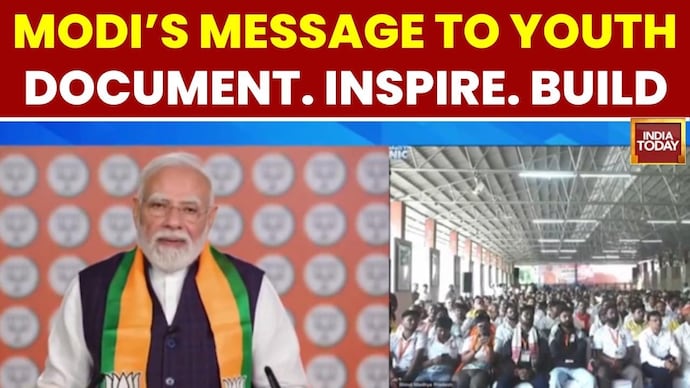
Prime Minister Narendra Modi held a virtual interaction with Seva Yatris who are undertaking an extensive bike rally covering over 35,000 kilometres in ten groups. The rally connects the Prime Minister's birthplace in Vadnagar, Gujarat, to his parliamentary constituency in Varanasi, Uttar Pradesh. During the interaction, participants traveling through districts including Lalitpur, Sagar, and Jhansi shared their field experiences, noting local public sentiment around development initiatives like the Ken-Betwa river linking project in Bundelkhand, women empowerment schemes, and rural transformation. The participants recounted their interactions with citizens, school students, and beneficiaries across various states. Prime Minister Modi encouraged the volunteers to actively document their observations, maintain service commitments, promote national awareness among communities along their route, and contribute towards the vision of building a developed nation.

Rahul Gandhi demands CEC's resignation. Congress making him scapegoat for losses?

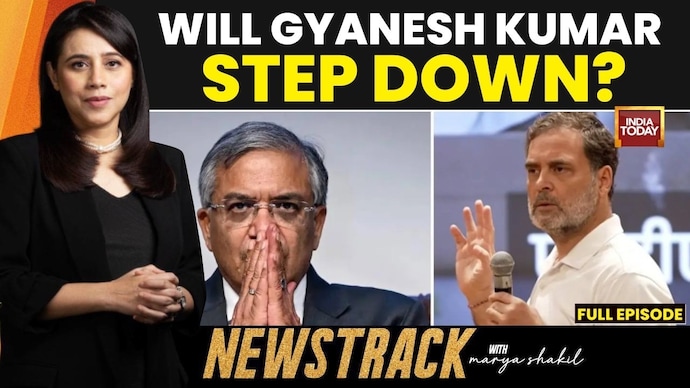
This news report details the political confrontation following reports that Election Commissioners Sukhbir Singh Sandhu and Vivek Joshi submitted fourteen formal objections against decisions by Chief Election Commissioner Gyanesh Kumar regarding the nationwide Special Intensive Revision of electoral rolls, centralized voter data systems, and modifications to Form 6. Congress leaders Rahul Gandhi and P. Chidambaram demanded the resignation or impeachment of the Chief Election Commissioner and sought a parliamentary committee review. The Bharatiya Janata Party countered the allegations by citing Articles 324 to 326 of the Constitution and statutory appeal provisions. RTI activist Anjali Bhardwaj and former Election Commissioner Ashok Lavasa analyzed the centralization of voter list modifications, with Lavasa calling for the cancellation of Phase 3 of the revision exercise. The broadcast also reports on the student suicide case at IIT Bombay involving Sahil Wakode, legal observations against media trials, and the bilateral meeting between Donald Trump and Xi Jinping in Washington.

CEC Gyanesh Kumar Faces Impeachment Threat, Vote Theft Row & BJP Counter

A massive political conflict has erupted following reported internal divisions within the Election Commission of India. Opposition parties led by Rahul Gandhi have demanded the immediate resignation of Chief Election Commissioner Gyanesh Kumar, accusing him of electoral manipulation and functioning under the protection of the central government. The INDIA bloc is drafting a notice for an impeachment motion against the CEC, alongside police complaints and ultimatums from political outfits. In response, the BJP has dismissed allegations of vote theft, attributing election outcomes to strong anti-incumbency against the Congress and defending the centralisation of electoral roll data under data protection frameworks. Panelists on the debate scrutinised media reports alleging that two election commissioners registered fourteen objections across ten months regarding the Special Intensive Revision exercise, voter deletions, and Form 6 procedures. While former CEC O.P. Rawat highlighted that commissioners possess majority decision-making powers and internal differences remain routine, analysts emphasised the need for the commission to address public concerns directly.

CEC Under Fire Over Revision Process, Opposition Demands Resignation, BJP Defends Poll Panel

Chief Election Commissioner Gyanesh Kumar has faced strong criticism following an Indian Express report detailing internal objections raised by two Election Commissioners regarding the special intensive revision process. Key concerns highlight modifications made to Form 6, the centralization of electoral roll data, and restricted portal access for Electoral Registration Officers. In response, opposition parties have strongly condemned the developments, demanding legal accountability, the immediate removal of the Chief Election Commissioner, and fresh elections in multiple states. Leaders accused the poll authority of compromising democratic integrity. Conversely, the ruling Bharatiya Janata Party defended the commission, asserting that divergent viewpoints during internal deliberations reflect democratic functioning rather than institutional compromise. The party maintained that the legal validity of the exercise has been upheld by the Supreme Court and dismissed opposition claims as politically motivated.

EC rift over SIR takes centre stage, LSR students raise safety concerns after minor's rape

A political controversy has erupted following reports of 14 internal objections raised by Election Commissioners Sukhbir Singh Sandhu and Vivek Joshi over decisions involving Form 6 voter registration, electoral database centralisation, software concerns in Goa, and voter restoration appeals in West Bengal. While the Election Commission stated that internal deliberations represent institutional checks and balances, the Opposition demanded the resignation and arrest of Chief Election Commissioner Gyanesh Kumar, and the BJP defended the process as democratic functioning. In Delhi, students and alumni of Lady Shri Ram College protested to demand improved street lighting, CCTV surveillance, functional pink booths, and enhanced policing following an alleged gang rape at Aastha Kunj Park and an encounter near the campus. Additionally, Tamil Nadu witnessed a political confrontation between TVK and DMK over an alleged sexual assault case involving granite baron R Veeramani.

What were the objections raised by Election Commissioners over SIR in 10 months?

A political controversy has erupted over revelations that Election Commissioners Sukhbir Singh Sandhu and Vivek Joshi recorded 14 objections over 10 months during the Special Intensive Revision (SIR) exercise. The concerns included changes to Form Six for new voter registration, access to digital databases and voter deletions in West Bengal and Goa. The Opposition has demanded accountability and accused Chief Election Commissioner Gyanesh Kumar of acting autocratically. The Election Commission, however, said decisions were taken unanimously after internal checks and balances. The BJP defended the poll panel, saying differences during deliberations reflect democratic decision-making. Former CEC OP Rawat and Congress leader Abhishek Manu Singhvi have debated the constitutional and operational framework of the Election Commission.