Red alert in North India: 10 safety tips during heavy rain and thunderstorms
The IMD has issued a red alert for heavy to very heavy rainfall across parts of North India and warned of thunderstorms, lightning and gusty winds in several other states. The advisory highlights risks such as floods, landslides, power cuts and traffic disruption, while setting out key precautions for residents.
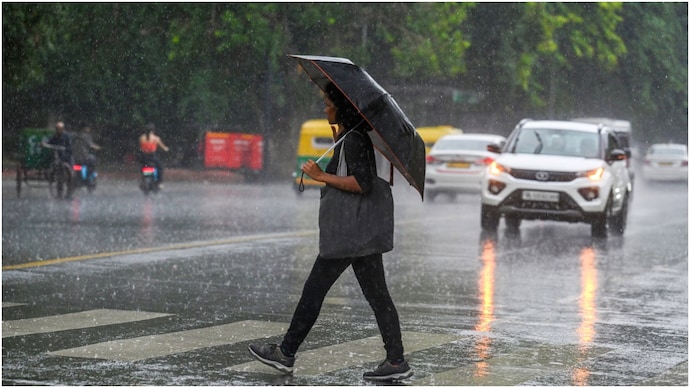
The India Meteorological Department (IMD) has issued a red alert for heavy to very heavy rainfall across parts of North India, including Himachal Pradesh, Uttarakhand and Jammu and Kashmir. Several other states, including Delhi, Uttar Pradesh, Punjab, Haryana, Bihar, Assam, Meghalaya and Sub-Himalayan West Bengal, are also expected to witness intense rainfall, thunderstorms, lightning and gusty winds.
Heavy rain can lead to flash floods, waterlogging, landslides, power outages and traffic disruptions. During such weather, taking a few precautions can significantly reduce the risk of accidents and injuries. Here are 10 essential safety tips to follow.
STAY INDOORS DURING THUNDERSTORMS
Avoid stepping outside when lightning, thunder or strong winds are occurring. Stay inside a sturdy building until the storm passes.
AVOID FLOODED ROADS
Never attempt to walk or drive through waterlogged streets. Floodwater can hide open drains, potholes or strong currents that may sweep away people and vehicles.
UNPLUG ELECTRICAL APPLIANCES
Lightning can cause power surges. Unplug televisions, computers and other electronic devices to prevent damage and reduce the risk of electrical accidents.
KEEP AWAY FROM TREES AND ELECTRIC POLES
Do not take shelter under trees during thunderstorms. Stay away from electric poles, overhead wires and damaged electrical infrastructure to avoid electrocution.
CARRY AN EMERGENCY KIT
Keep essential items such as drinking water, dry food, medicines, flashlights, batteries, power banks, important documents and first-aid supplies ready in case of emergencies.
FOLLOW OFFICIAL WEATHER UPDATES
Stay informed through the India Meteorological Department (IMD), local administration and disaster management authorities for the latest alerts and evacuation advisories.
AVOID RIVERS, DRAINS AND HILLY AREAS
People living near rivers, streams or landslide-prone regions should remain alert and avoid venturing close to overflowing water bodies or unstable slopes.
DRIVE WITH EXTRA CAUTION
If travel is unavoidable, drive slowly, maintain a safe distance from other vehicles and keep headlights on. Avoid sudden braking on wet roads.
CHARGE MOBILE DEVICES
Power cuts are common during severe weather. Keep your mobile phone and power bank fully charged to stay connected during emergencies.
CHECK ON CHILDREN AND ELDERLY FAMILY MEMBERS
Ensure children, elderly people and those with medical conditions remain indoors and have access to essential medicines, food and emergency contacts.
As heavy rainfall continues across several states, staying alert and following weather advisories can help minimise risks. Avoid unnecessary travel, remain indoors during severe thunderstorms and contact local authorities immediately if you notice flooding, landslides or damaged electrical infrastructure.
The India Meteorological Department (IMD) has issued a red alert for heavy to very heavy rainfall across parts of North India, including Himachal Pradesh, Uttarakhand and Jammu and Kashmir. Several other states, including Delhi, Uttar Pradesh, Punjab, Haryana, Bihar, Assam, Meghalaya and Sub-Himalayan West Bengal, are also expected to witness intense rainfall, thunderstorms, lightning and gusty winds.
Heavy rain can lead to flash floods, waterlogging, landslides, power outages and traffic disruptions. During such weather, taking a few precautions can significantly reduce the risk of accidents and injuries. Here are 10 essential safety tips to follow.
STAY INDOORS DURING THUNDERSTORMS
Avoid stepping outside when lightning, thunder or strong winds are occurring. Stay inside a sturdy building until the storm passes.
AVOID FLOODED ROADS
Never attempt to walk or drive through waterlogged streets. Floodwater can hide open drains, potholes or strong currents that may sweep away people and vehicles.
UNPLUG ELECTRICAL APPLIANCES
Lightning can cause power surges. Unplug televisions, computers and other electronic devices to prevent damage and reduce the risk of electrical accidents.
KEEP AWAY FROM TREES AND ELECTRIC POLES
Do not take shelter under trees during thunderstorms. Stay away from electric poles, overhead wires and damaged electrical infrastructure to avoid electrocution.
CARRY AN EMERGENCY KIT
Keep essential items such as drinking water, dry food, medicines, flashlights, batteries, power banks, important documents and first-aid supplies ready in case of emergencies.
FOLLOW OFFICIAL WEATHER UPDATES
Stay informed through the India Meteorological Department (IMD), local administration and disaster management authorities for the latest alerts and evacuation advisories.
AVOID RIVERS, DRAINS AND HILLY AREAS
People living near rivers, streams or landslide-prone regions should remain alert and avoid venturing close to overflowing water bodies or unstable slopes.
DRIVE WITH EXTRA CAUTION
If travel is unavoidable, drive slowly, maintain a safe distance from other vehicles and keep headlights on. Avoid sudden braking on wet roads.
CHARGE MOBILE DEVICES
Power cuts are common during severe weather. Keep your mobile phone and power bank fully charged to stay connected during emergencies.
CHECK ON CHILDREN AND ELDERLY FAMILY MEMBERS
Ensure children, elderly people and those with medical conditions remain indoors and have access to essential medicines, food and emergency contacts.
As heavy rainfall continues across several states, staying alert and following weather advisories can help minimise risks. Avoid unnecessary travel, remain indoors during severe thunderstorms and contact local authorities immediately if you notice flooding, landslides or damaged electrical infrastructure.
The India Meteorological Department (IMD) has issued a red alert for heavy to very heavy rainfall across parts of North India, including Himachal Pradesh, Uttarakhand and Jammu and Kashmir. Several other states, including Delhi, Uttar Pradesh, Punjab, Haryana, Bihar, Assam, Meghalaya and Sub-Himalayan West Bengal, are also expected to witness intense rainfall, thunderstorms, lightning and gusty winds.
Heavy rain can lead to flash floods, waterlogging, landslides, power outages and traffic disruptions. During such weather, taking a few precautions can significantly reduce the risk of accidents and injuries. Here are 10 essential safety tips to follow.
STAY INDOORS DURING THUNDERSTORMS
Avoid stepping outside when lightning, thunder or strong winds are occurring. Stay inside a sturdy building until the storm passes.
AVOID FLOODED ROADS
Never attempt to walk or drive through waterlogged streets. Floodwater can hide open drains, potholes or strong currents that may sweep away people and vehicles.
UNPLUG ELECTRICAL APPLIANCES
Lightning can cause power surges. Unplug televisions, computers and other electronic devices to prevent damage and reduce the risk of electrical accidents.
KEEP AWAY FROM TREES AND ELECTRIC POLES
Do not take shelter under trees during thunderstorms. Stay away from electric poles, overhead wires and damaged electrical infrastructure to avoid electrocution.
CARRY AN EMERGENCY KIT
Keep essential items such as drinking water, dry food, medicines, flashlights, batteries, power banks, important documents and first-aid supplies ready in case of emergencies.
FOLLOW OFFICIAL WEATHER UPDATES
Stay informed through the India Meteorological Department (IMD), local administration and disaster management authorities for the latest alerts and evacuation advisories.
AVOID RIVERS, DRAINS AND HILLY AREAS
People living near rivers, streams or landslide-prone regions should remain alert and avoid venturing close to overflowing water bodies or unstable slopes.
DRIVE WITH EXTRA CAUTION
If travel is unavoidable, drive slowly, maintain a safe distance from other vehicles and keep headlights on. Avoid sudden braking on wet roads.
CHARGE MOBILE DEVICES
Power cuts are common during severe weather. Keep your mobile phone and power bank fully charged to stay connected during emergencies.
CHECK ON CHILDREN AND ELDERLY FAMILY MEMBERS
Ensure children, elderly people and those with medical conditions remain indoors and have access to essential medicines, food and emergency contacts.
As heavy rainfall continues across several states, staying alert and following weather advisories can help minimise risks. Avoid unnecessary travel, remain indoors during severe thunderstorms and contact local authorities immediately if you notice flooding, landslides or damaged electrical infrastructure.

