Indian Railways AC coach: Why you get two bedsheets in every bedroll kit
If you've ever wondered why Indian Railways gives two bedsheets in AC coaches, there's a simple reason. The Railway Minister has explained how passengers should use them for better hygiene during train journeys.
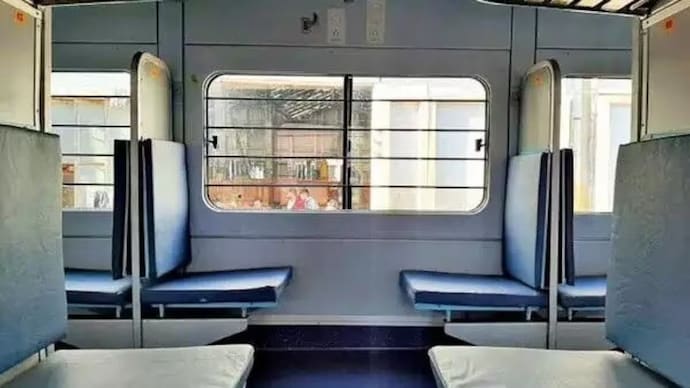
If you have travelled in an Indian Railways AC coach, you've probably received a bedroll containing a blanket, two white bedsheets, a pillow cover and a hand towel. Many passengers use the two bedsheets differently, but there is actually a recommended way to use them. The Railways has now explained why every train bedroll kit includes two bedsheets and how using them correctly can make your journey more hygienic. The clarification came from Railway Minister Ashwini Vaishnaw in Parliament while answering questions about railway bedding and cleanliness.
WHAT DOES THE BEDROLL KIT INCLUDE?
Passengers travelling in First AC, Second AC, Third AC and AC Economy receive a standard bedroll kit as part of their ticket fare. The kit contains:
- Two bedsheets
- One pillow cover
- One hand towel
- One blanket
There is no extra charge for this service as it is already included in the fare for eligible AC classes.
WHY ARE THERE TWO BEDSHEETS?
According to Railway Minister Ashwini Vaishnaw, the first bedsheet should be spread over the berth. The second bedsheet is meant to be used underneath the blanket so that the blanket does not come into direct contact with the passenger's body.
"This blanket cover sheet is washed after single use," the minister said in his written reply in the Rajya Sabha.
ALSO READ: Western Railway suspends trains as rising water disrupts Mumbai-Ahmedabad route
THE HYGIENE REASON BEHIND IT
The clarification came after Rajya Sabha MP Chandrakant Damodar Handore sought details about the hygiene practices followed for railway linen, including why woollen blankets are not washed after every journey while bedsheets are.
The Railway Ministry said the extra bedsheet serves as a clean protective layer between passengers and the blanket, helping maintain hygiene during travel.
The Railways has also started pilot projects using AI-based stain detection technology in some mechanised laundries to improve the quality of washed linen supplied to passengers.
If you have travelled in an Indian Railways AC coach, you've probably received a bedroll containing a blanket, two white bedsheets, a pillow cover and a hand towel. Many passengers use the two bedsheets differently, but there is actually a recommended way to use them. The Railways has now explained why every train bedroll kit includes two bedsheets and how using them correctly can make your journey more hygienic. The clarification came from Railway Minister Ashwini Vaishnaw in Parliament while answering questions about railway bedding and cleanliness.
WHAT DOES THE BEDROLL KIT INCLUDE?
Passengers travelling in First AC, Second AC, Third AC and AC Economy receive a standard bedroll kit as part of their ticket fare. The kit contains:
- Two bedsheets
- One pillow cover
- One hand towel
- One blanket
There is no extra charge for this service as it is already included in the fare for eligible AC classes.
WHY ARE THERE TWO BEDSHEETS?
According to Railway Minister Ashwini Vaishnaw, the first bedsheet should be spread over the berth. The second bedsheet is meant to be used underneath the blanket so that the blanket does not come into direct contact with the passenger's body.
"This blanket cover sheet is washed after single use," the minister said in his written reply in the Rajya Sabha.
ALSO READ: Western Railway suspends trains as rising water disrupts Mumbai-Ahmedabad route
THE HYGIENE REASON BEHIND IT
The clarification came after Rajya Sabha MP Chandrakant Damodar Handore sought details about the hygiene practices followed for railway linen, including why woollen blankets are not washed after every journey while bedsheets are.
The Railway Ministry said the extra bedsheet serves as a clean protective layer between passengers and the blanket, helping maintain hygiene during travel.
The Railways has also started pilot projects using AI-based stain detection technology in some mechanised laundries to improve the quality of washed linen supplied to passengers.
If you have travelled in an Indian Railways AC coach, you've probably received a bedroll containing a blanket, two white bedsheets, a pillow cover and a hand towel. Many passengers use the two bedsheets differently, but there is actually a recommended way to use them. The Railways has now explained why every train bedroll kit includes two bedsheets and how using them correctly can make your journey more hygienic. The clarification came from Railway Minister Ashwini Vaishnaw in Parliament while answering questions about railway bedding and cleanliness.
WHAT DOES THE BEDROLL KIT INCLUDE?
Passengers travelling in First AC, Second AC, Third AC and AC Economy receive a standard bedroll kit as part of their ticket fare. The kit contains:
- Two bedsheets
- One pillow cover
- One hand towel
- One blanket
There is no extra charge for this service as it is already included in the fare for eligible AC classes.
WHY ARE THERE TWO BEDSHEETS?
According to Railway Minister Ashwini Vaishnaw, the first bedsheet should be spread over the berth. The second bedsheet is meant to be used underneath the blanket so that the blanket does not come into direct contact with the passenger's body.
"This blanket cover sheet is washed after single use," the minister said in his written reply in the Rajya Sabha.
ALSO READ: Western Railway suspends trains as rising water disrupts Mumbai-Ahmedabad route
THE HYGIENE REASON BEHIND IT
The clarification came after Rajya Sabha MP Chandrakant Damodar Handore sought details about the hygiene practices followed for railway linen, including why woollen blankets are not washed after every journey while bedsheets are.
The Railway Ministry said the extra bedsheet serves as a clean protective layer between passengers and the blanket, helping maintain hygiene during travel.
The Railways has also started pilot projects using AI-based stain detection technology in some mechanised laundries to improve the quality of washed linen supplied to passengers.

