International Leopard Day: Habitat, threats and why protection matters
International Leopard Day on May 3 spotlights leopard habitats, behaviour and survival threats. The observance underscores the need for conservation, wildlife protection and biodiversity awareness.
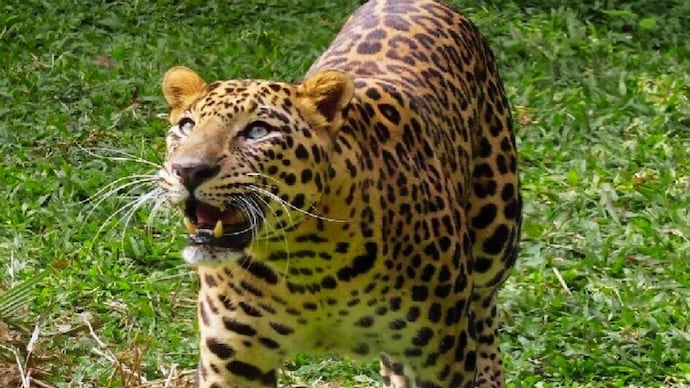
High above the savanna in Masai Mara, a leopard rests on a tree branch as the golden light of sunset spreads across the grasslands. Observed every year on May 3, International Leopard Day is dedicated to celebrating one of the most elusive and adaptable big cats on Earth.
WHERE LEOPARDS LIVE
Leopards are among the most widely distributed big cats, found across vast regions of Africa and parts of Asia. They thrive in a variety of habitats, including:
- advertisement
Dense forests
-
Rugged mountains
Open savannas
Grasslands and semi-deserts
Their incredible adaptability allows them to survive in environments where other big cats may struggle.
UNIQUE FEATURES OF LEOPARDS
Leopards are known for their striking appearance and exceptional abilities:
Their spotted coats are unique to each individual, much like fingerprints
They are powerful climbers, often dragging prey into trees to keep it safe from scavengers
Their muscular build and stealth make them highly efficient hunters
These features make leopards one of the most versatile predators in the wild.
NOCTURNAL HUNTERS OF THE WILD
Leopards are mostly active at night, relying on:
Sharp vision and hearing
Silent movement
Patience and precision
Unlike faster predators, leopards depend on stealth rather than speed, stalking their prey before making a sudden, powerful attack.
THREATS TO LEOPARD POPULATIONS
Despite their resilience, leopard populations are under threat worldwide. Key challenges include:
- advertisement
Habitat loss due to urbanisation and deforestation
Human-wildlife conflict
Poaching and illegal wildlife trade
These factors have led to declining numbers in several regions, raising concerns among conservationists.
WHY INTERNATIONAL LEOPARD DAY MATTERS
International Leopard Day is not just about admiration it is a call to action. The day encourages people to:
Learn about leopard conservation
Support wildlife protection efforts
Spread awareness about the importance of biodiversity
Protecting leopards also helps preserve the ecosystems they inhabit.
Graceful, powerful, and remarkably adaptable, leopards are a vital part of the natural world. International Leopard Day reminds us that their survival depends on collective awareness and action. Ensuring their future means protecting not just a species, but the balance of nature itself.
High above the savanna in Masai Mara, a leopard rests on a tree branch as the golden light of sunset spreads across the grasslands. Observed every year on May 3, International Leopard Day is dedicated to celebrating one of the most elusive and adaptable big cats on Earth.
WHERE LEOPARDS LIVE
Leopards are among the most widely distributed big cats, found across vast regions of Africa and parts of Asia. They thrive in a variety of habitats, including:
Dense forests
Rugged mountains
Open savannas
Grasslands and semi-deserts
Their incredible adaptability allows them to survive in environments where other big cats may struggle.
UNIQUE FEATURES OF LEOPARDS
Leopards are known for their striking appearance and exceptional abilities:
Their spotted coats are unique to each individual, much like fingerprints
They are powerful climbers, often dragging prey into trees to keep it safe from scavengers
Their muscular build and stealth make them highly efficient hunters
These features make leopards one of the most versatile predators in the wild.
NOCTURNAL HUNTERS OF THE WILD
Leopards are mostly active at night, relying on:
Sharp vision and hearing
Silent movement
Patience and precision
Unlike faster predators, leopards depend on stealth rather than speed, stalking their prey before making a sudden, powerful attack.
THREATS TO LEOPARD POPULATIONS
Despite their resilience, leopard populations are under threat worldwide. Key challenges include:
Habitat loss due to urbanisation and deforestation
Human-wildlife conflict
Poaching and illegal wildlife trade
These factors have led to declining numbers in several regions, raising concerns among conservationists.
WHY INTERNATIONAL LEOPARD DAY MATTERS
International Leopard Day is not just about admiration it is a call to action. The day encourages people to:
Learn about leopard conservation
Support wildlife protection efforts
Spread awareness about the importance of biodiversity
Protecting leopards also helps preserve the ecosystems they inhabit.
Graceful, powerful, and remarkably adaptable, leopards are a vital part of the natural world. International Leopard Day reminds us that their survival depends on collective awareness and action. Ensuring their future means protecting not just a species, but the balance of nature itself.

