Metro vs car vs cab: Which is cheapest for daily commute?
A comparison of daily commute options in India examines metro, personal cars and app-based cabs for 2026. The focus is on how transport choices shape monthly expenses as metro networks expand.
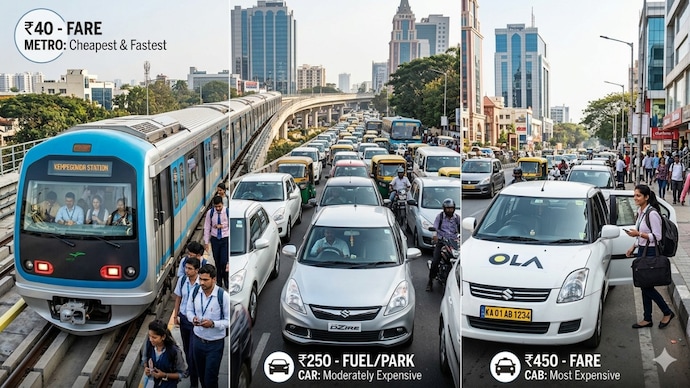
For millions of Indians, commuting is a daily necessity and often a significant monthly expense. Whether you're travelling to work, college, or other destinations, the mode of transport you choose can have a major impact on your finances. While metro networks continue to expand across Indian cities, many people still rely on personal cars or app-based cabs for their daily commute.
But which option offers the best value for money in 2026? Here's a comparison of the costs, benefits, and drawbacks of each.
Also read: Gurugram vs Noida cost of living: Where can you save more in 2026?
METRO
Metro rail systems have transformed urban mobility in cities such as Delhi, Mumbai, Bengaluru, Hyderabad, and Ahmedabad. They offer a fast, reliable, and economical way to travel, especially during peak traffic hours.
For a commuter travelling approximately 20 km one way, metro fares generally range between 30 and 60 per trip, depending on the city and distance covered.
METRO:ESTIMATED MONTHLY COMMUTING COST
| Item | Cost |
|---|---|
| Daily commute fare | 50–120 |
| Monthly cost (22 working days) | 1,100–2,500 |
ADVANTAGES
Lowest commuting cost
No fuel expenses
No parking charges
Faster during heavy traffic
Environment-friendly
DRAWBACKS
Fixed routes and schedules
Crowded during peak hours
Last-mile connectivity may be an issue
CAR
A personal car offers convenience, privacy, and flexibility. However, many commuters underestimate the actual cost of owning and driving a car every day.
Apart from fuel, expenses such as maintenance, parking, insurance, and depreciation add significantly to the overall cost.
ESTIMATED MONTHLY CAR COST BREAKDOWN
| Expense | Estimated Monthly Cost |
|---|---|
| Fuel | 4,500–6,000 |
| Parking | 500–3,000 |
| Maintenance | 1,000–2,000 |
| Insurance & Depreciation | 2,000–4,000 |
| Total | 8,000–15,000+ |
ADVANTAGES
Door-to-door convenience
Flexible travel schedule
Comfortable and private
Suitable for family travel
DRAWBACKS
High fuel expenses
Parking challenges
Traffic congestion stress
Ongoing maintenance costs
CABS
Ride-hailing services have become a popular choice for urban commuters who prefer not to own a vehicle. Cabs eliminate the hassles of parking and maintenance but can become expensive when used every day.
A 20-km ride in major Indian cities can cost between 250 and 500, depending on demand, traffic conditions, and surge pricing.
ESTIMATED MONTHLY CAB COST
| Item | Cost |
|---|---|
| Daily commute cost | 500–1,000 |
| Monthly cost (22 working days) | 11,000–22,000 |
ADVANTAGES
No ownership expenses
Comfortable travel experience
Easy app-based booking
No maintenance responsibilities
DRAWBACKS
Surge pricing can increase costs
Expensive for regular commuters
Driver availability may vary during peak hours
Metro vs Cab vs Car: Monthly Commuting Expenses
| Mode of Transport | Estimated Monthly Cost | Key Expenses |
|---|---|---|
| Metro | 1,100–2,500 | Fare only |
| Car | 8,000–15,000+ | Fuel, parking, maintenance, insurance, depreciation |
| Cab | 11,000–22,000 | Daily ride fares, surge pricing |
WHICH OPTION IS THE CHEAPEST?
For most urban commuters, the metro remains the most affordable mode of transport. Even at the higher end of fare estimates, monthly metro expenses are significantly lower than the cost of using a car or booking cabs daily.
Cars provide unmatched flexibility and comfort but come with substantial ownership and operating costs. Cabs offer convenience without ownership responsibilities, yet they are often the most expensive option for regular commuting.
If your primary goal is saving money, the metro is the clear winner. A regular metro commuter may spend less than one-fourth of what a car owner spends each month and a fraction of what a daily cab user pays. While cars and cabs score higher on convenience and comfort, the metro remains the smartest choice for cost-conscious commuters navigating India's increasingly crowded cities.
For millions of Indians, commuting is a daily necessity and often a significant monthly expense. Whether you're travelling to work, college, or other destinations, the mode of transport you choose can have a major impact on your finances. While metro networks continue to expand across Indian cities, many people still rely on personal cars or app-based cabs for their daily commute.
But which option offers the best value for money in 2026? Here's a comparison of the costs, benefits, and drawbacks of each.
Also read: Gurugram vs Noida cost of living: Where can you save more in 2026?
METRO
Metro rail systems have transformed urban mobility in cities such as Delhi, Mumbai, Bengaluru, Hyderabad, and Ahmedabad. They offer a fast, reliable, and economical way to travel, especially during peak traffic hours.
For a commuter travelling approximately 20 km one way, metro fares generally range between 30 and 60 per trip, depending on the city and distance covered.
METRO:ESTIMATED MONTHLY COMMUTING COST
| Item | Cost |
|---|---|
| Daily commute fare | 50–120 |
| Monthly cost (22 working days) | 1,100–2,500 |
ADVANTAGES
Lowest commuting cost
No fuel expenses
No parking charges
Faster during heavy traffic
Environment-friendly
DRAWBACKS
Fixed routes and schedules
Crowded during peak hours
Last-mile connectivity may be an issue
CAR
A personal car offers convenience, privacy, and flexibility. However, many commuters underestimate the actual cost of owning and driving a car every day.
Apart from fuel, expenses such as maintenance, parking, insurance, and depreciation add significantly to the overall cost.
ESTIMATED MONTHLY CAR COST BREAKDOWN
| Expense | Estimated Monthly Cost |
|---|---|
| Fuel | 4,500–6,000 |
| Parking | 500–3,000 |
| Maintenance | 1,000–2,000 |
| Insurance & Depreciation | 2,000–4,000 |
| Total | 8,000–15,000+ |
ADVANTAGES
Door-to-door convenience
Flexible travel schedule
Comfortable and private
Suitable for family travel
DRAWBACKS
High fuel expenses
Parking challenges
Traffic congestion stress
Ongoing maintenance costs
CABS
Ride-hailing services have become a popular choice for urban commuters who prefer not to own a vehicle. Cabs eliminate the hassles of parking and maintenance but can become expensive when used every day.
A 20-km ride in major Indian cities can cost between 250 and 500, depending on demand, traffic conditions, and surge pricing.
ESTIMATED MONTHLY CAB COST
| Item | Cost |
|---|---|
| Daily commute cost | 500–1,000 |
| Monthly cost (22 working days) | 11,000–22,000 |
ADVANTAGES
No ownership expenses
Comfortable travel experience
Easy app-based booking
No maintenance responsibilities
DRAWBACKS
Surge pricing can increase costs
Expensive for regular commuters
Driver availability may vary during peak hours
Metro vs Cab vs Car: Monthly Commuting Expenses
| Mode of Transport | Estimated Monthly Cost | Key Expenses |
|---|---|---|
| Metro | 1,100–2,500 | Fare only |
| Car | 8,000–15,000+ | Fuel, parking, maintenance, insurance, depreciation |
| Cab | 11,000–22,000 | Daily ride fares, surge pricing |
WHICH OPTION IS THE CHEAPEST?
For most urban commuters, the metro remains the most affordable mode of transport. Even at the higher end of fare estimates, monthly metro expenses are significantly lower than the cost of using a car or booking cabs daily.
Cars provide unmatched flexibility and comfort but come with substantial ownership and operating costs. Cabs offer convenience without ownership responsibilities, yet they are often the most expensive option for regular commuting.
If your primary goal is saving money, the metro is the clear winner. A regular metro commuter may spend less than one-fourth of what a car owner spends each month and a fraction of what a daily cab user pays. While cars and cabs score higher on convenience and comfort, the metro remains the smartest choice for cost-conscious commuters navigating India's increasingly crowded cities.

