Vietnamese crab exporter

Topic

Advertisement
TOPIC

Delhi Metro

The Delhi Metro has emerged as the fastest, safest, and most convenient mode of transportation in India's capital, Delhi, and its surrounding regions. Launched on December 24, 2002, it is the country's first modern metro service. Today, the Delhi Metro network serves millions of passengers daily, efficiently connecting them to their destinations.


Operated by the Delhi Metro Rail Corporation (DMRC), the system was conceptualised in 1995, and construction began in 1998. Currently, the network extends beyond Delhi to its satellite cities such as Noida, Ghaziabad, Gurugram, Faridabad, and Bahadurgarh.


The Delhi Metro comprises over 10 colour-coded corridors, such as the Red Line, Blue Line, Yellow Line, Green Line, Violet Line, Pink Line, Magenta Line, Grey Line, and the Airport Express Line.


Construction of the Delhi Metro began in 1998. The first elevated train on the Red Line operated between Shahdara and Tis Hazari on December 25, 2002, while the first underground train on the Yellow Line ran between Vishwavidyalaya and Kashmere Gate on December 20, 2004. The metro’s expansion has been executed in various phases. The first phase, comprising three lines, was completed by 2006, and the second phase concluded in 2011. The third phase was completed by the end of 2022. Construction for the fourth phase officially began on December 30, 2019. Prime Minister Narendra Modi inaugurated the first section of Delhi Metro's Phase-4 on January 5, 2025.

 

Follow Delhi Metro on

  • ALL
  • STORIES
  • VIDEOS

STORIES

Raksha bandhan rush chokes Delhi-NCR as traffic stretches for miles

Raksha Bandhan traffic caused major congestion across Delhi-NCR on Thursday evening, with long queues reported on the Delhi-Meerut Expressway, NH-9 and key roads in Ghaziabad, including Lal Kuan and GT Road. Traffic also moved slowly near Noida’s Botanical Garden Metro Station as festive travellers and office-goers crowded the roads.

Load More

VIDEOS

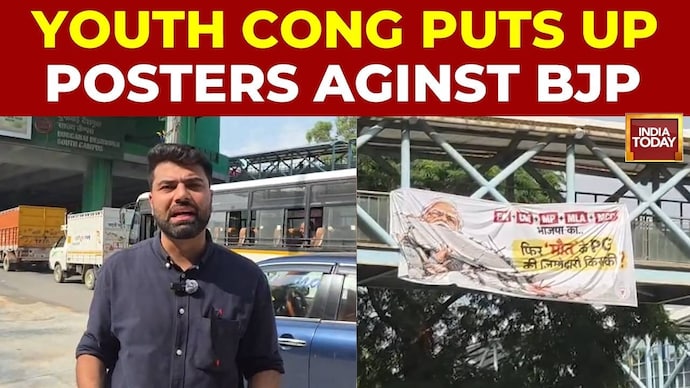
Satya Niketan PG Collapse: 7 Dead, Youth Congress Puts Up Posters Against BJP as Protests Escalate

Following the collapse of a paying guest building in Delhi's Satya Niketan that claimed around seven lives, intense political confrontation has erupted. Opposition parties, including the Aam Aadmi Party and Congress, are targeting the ruling Bharatiya Janata Party government over accountability and corruption. Near Durgabai Deshmukh South Campus metro station, Delhi Pradesh Youth Congress workers put up banners questioning BJP leaders, including the Prime Minister and local representatives, regarding the safety of students living in PGs. Student organisations including NSUI, ABVP, AISA, and SFI have launched protests over the incident, which has escalated into a major political controversy just two weeks ahead of the Delhi University Students Union elections.

Delhi Building Collapse: Owner Arrested, 5 MCD Officials Suspended, Rescue On

Following a fatal building collapse in Delhi, student protests have erupted as rescue operations continue to retrieve individuals trapped under the debris. Chief Minister Rekha Gupta announced strict action, confirming the arrest of the building owner and the immediate suspension of five Municipal Corporation of Delhi officials ranging from deputy commissioner to junior engineer. Authorities have also ordered the sealing of fifth floors on similar structures and proposed periodic structural safety audits. An eyewitness and first-year student from Atma Ram Sanatan Dharma College, Rishit Ratodia, recounted the incident, sharing that his friend Atharv Rawat from Chhattisgarh remains trapped under the rubble. Ratodia stated that several new students who recently relocated for the academic session were inside the building, which housed a library and shops, when the structure collapsed. Concerns were raised regarding emergency response delays, crowd control issues, and structural compliance in student residential areas across the capital.

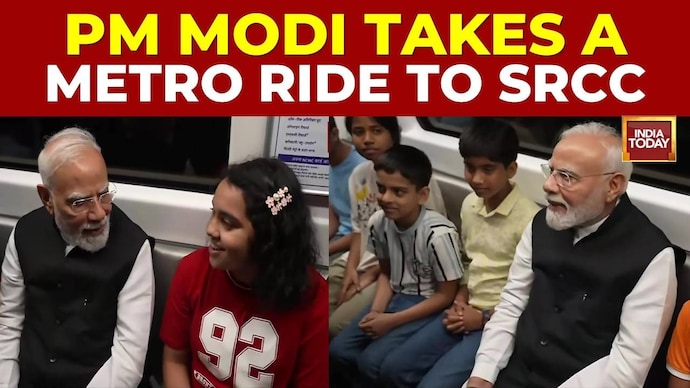
PM Modi Metro Ride: Interactions With Commuters, Reading Tips, SRCC Visit

Prime Minister Narendra Modi shared a video capturing his metro journey to and from Shri Ram College of Commerce (SRCC) in Delhi, where he attended the college's centenary celebrations. During the ride, Prime Minister Modi interacted with commuters, including students, Gen Z, and young children. He engaged in lighthearted conversations, enquired about reading habits beyond syllabus textbooks, and advised students to read biographies and autobiographies of scientists, players, and artists. He also spoke with passengers regarding national progress and development changes in Kashi (Varanasi). Commuters greeted the Prime Minister, with one student mentioning Teachers' Day and describing him as an inspiration. Network correspondent Piyush Mishra noted that the Prime Minister previously used the metro during Delhi University visits, highlighting his focus on engaging with youth and taking direct feedback on development initiatives across the country.

SRCC Centenary Celebrations: Metro Ride With Students, Gen Z Outreach And Economic Growth Story

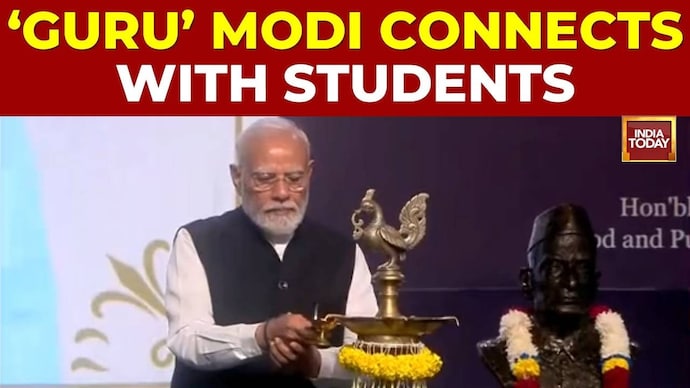
The centenary celebrations of Shri Ram College of Commerce took place on the occasion of Teachers' Day, marking one hundred years since the founding of the premier institution in 1926. A commemorative coin of one hundred rupees denomination was released alongside floral tributes offered to visionary founder Sir Shri Ram. Ahead of the address at the college campus, a Delhi Metro commute from Lok Kalyan Marg to Vishwavidyalaya featured direct interactions with thirty students regarding education, careers, aspirations, and future goals. The engagement aligns with an ongoing youth outreach initiative focused on the role of the younger generation in the national development model. Discussions highlighted economic resilience amid global headwinds, referencing the first quarter gross domestic product growth rate of 7.8 percent.

College Centenary Outreach, Student Metro Interaction And National Development Vision

A major youth outreach initiative unfolded as centenary celebrations commenced at a premier commerce college under Delhi University. A special public transit journey was undertaken alongside students, creating an opportunity for direct dialogue regarding their aspirations, education reforms, and employment concerns. The engagement highlights the ongoing efforts to connect with young citizens and first-time voters aged between eighteen and twenty-three across college campuses and digital platforms. The address focuses on the pivotal role of younger generations in national progress, institutional excellence, and achieving long-term development targets set for 2047. The event also coincided with national educator felicitations, acknowledging the role of teachers and academic institutions in shaping leadership and future governance.

Torrential Rain Hits Delhi: Red Alert Issued, Connaught Place Waterlogged, Traffic Crippled At ITO

A heavy downpour hit the national capital, triggering severe waterlogging and traffic disruption across central parts of Delhi. The India Meteorological Department upgraded the weather alert from orange to red following continuous torrential rains. Key locations including Connaught Place, Baba Kharak Singh Marg, and ITO experienced significant inundation, with water levels rising over a foot on several major roads. Commuters and vehicles faced severe difficulties as two-wheelers, auto-rickshaws, and buses navigated submerged stretches, leading to breakdowns and slow-moving traffic. The inundation affected major transit routes connecting Connaught Place outer circle, Shivaji Stadium Metro station, Laxmi Nagar, and Noida. At the ITO junction, heavy waterlogging caused widespread traffic congestion during peak hours, forcing pedestrians and motorists to traverse flooded roads across central Delhi.

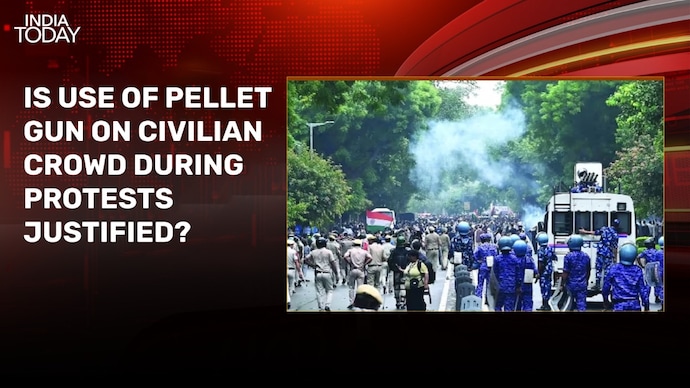
What makes pellet guns dangerous? Is its use on civilians justified? Panel debates

In this edition of News Track, India Today accesses exclusive CCTV visuals from five locations showing how thousands of protesters during the July 20 Sansad Chalo march bypassed multiple barricades and reached within 50 metres of the Parliament perimeter wall. The security grid faced a major scare as crowds advanced near Central Secretariat Metro station and outer gates before security personnel dispersed them. Meanwhile, the pellet gun debate reached the Supreme Court, which observed that security forces may use pellet guns only in exceptional circumstances. The top court directed the Centre to preserve the Rapid Action Force (RAF) ammunition log from Jantar Mantar and mandated the Delhi government to provide medical care to injured petitioners. While Delhi Police maintained pellet guns were not used, internal reports revealed RAF fired plastic pellets during the student protest, leaving individuals like 19-year-old Sahil Lochan and 25-year-old artist Prashant Kumar Singh injured. On the show, former IB Special Director Yashvardhan Azad advocated a total ban on pellet guns due to their indiscriminate spray, while former J&K DGP S.P. Vaid argued they remain a necessary last resort compared to lethal force.

Monsoon mayhem: Floods, gridlock, deaths expose nation’s urban planning failures

The monsoon has once again exposed glaring infrastructure failures and poor urban planning across India's major cities, triggering widespread waterlogging, traffic snarls and loss of life. In Mumbai, the Andheri subway was shut, parts of the Western Express Highway were inundated, and a commuter was injured after being struck by a falling tree branch, while neighbouring Vasai, Virar and Navi Mumbai battled severe flooding and power outages. In the Delhi-NCR region, a spell of rain caused a three-kilometre traffic jam on National Highway 48 in Gurugram and led to road cave-ins. As roads vanish under floodwaters and normal life grinds to a halt, the recurring monsoon chaos has once again raised serious questions over the preparedness, accountability and planning of civic authorities across the country.

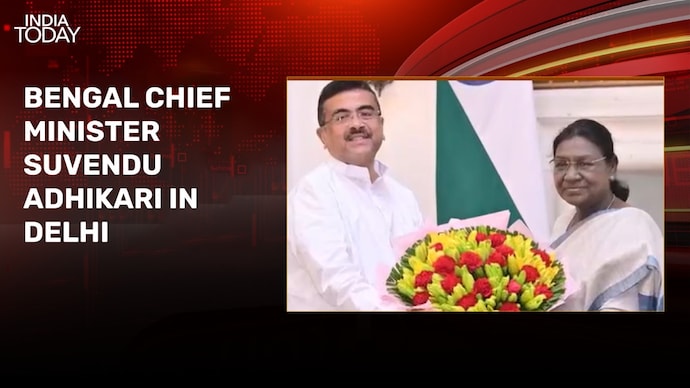
Bengal CM Suvendu Adhikari meets President Murmu in Delhi

Newly sworn-in West Bengal Chief Minister Suvendu Adhikari, who is in the national capital for his first official visit since assuming office, met President Droupadi Murmu, Vice President, and Defence Minister Rajnath Singh. He will also meet Prime Minister Modi later today.

TVK Chief Vijay Grilled by CBI for 7 Hours in Karur Stampede Case, Denies Responsibility

The Central Bureau of Investigation (CBI) questioned actor and Tamilaga Vettri Kazhagam (TVK) chief Vijay for seven hours in Delhi regarding a stampede at his party's event in Karur that resulted in 41 deaths. Vijay reportedly denied his party's role, stating that TVK functionaries were not responsible and that the Tamil Nadu police failed to maintain law and order. He claimed he left the venue to prevent further chaos. The CBI is corroborating his statement with video evidence as the probe unfolds during a crucial election season, with debates pointing to negligence or alleged political sabotage by the ruling DMK. Former IPS officer Sanjay Sahay noted it was a case of "atrocious" crowd management. The report also highlights another political controversy involving MNS chief Raj Thackeray, who revived the divisive 'hatao lungi, bajao pungi' slogan against Tamilians ahead of Mumbai's BMC elections.

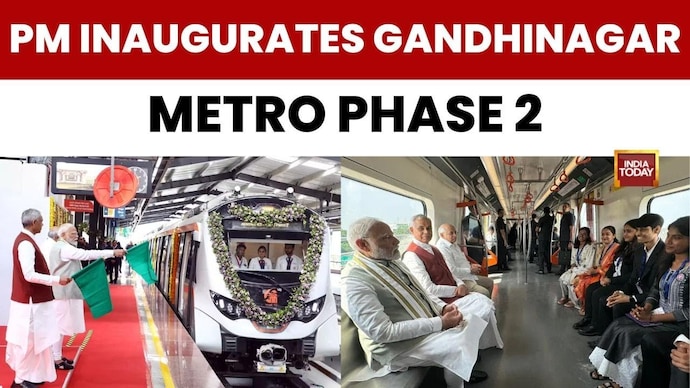
PM Modi Inaugurates Metro Phase 2 at Mahatma Mandir, Greets Crowds in Gandhinagar | Somnath Visit

This special report from Gandhinagar covers the Prime Minister's three-day visit to Gujarat. On the second day of the tour, the Prime Minister inaugurated Metro Phase 2 at the Mahatma Mandir Metro Station. Following the inauguration ceremony, he walked along the road, greeting and acknowledging the crowds that had gathered to welcome him. The report also notes the Prime Minister's upcoming schedule, which includes 'a conversation with the German Chancellor' before his departure for Delhi. The bulletin is reported by Adul Tiwari with camera person Saeed Alam from Gandhinagar.