Planning a Japan vacation? Visa fee set to jump 5X. Here's what travellers need to know
Planning a Japan trip? Be prepared for a major visa fee hike. Japan's visa charges could increase fivefold, impacting travel costs for tourists and visitors.
Have you seen way too many people on your Insta feed already in Japan and you were planning to do the same? Well, you will be in for a bit of a surprise here. Starting July 1, your trip to Japan could become significantly more expensive because the government has announced a steep increase in its visa fees.
In its first revision of visa fees since 1978, Japan has announced a steep increase in charges for foreign nationals applying to enter the country. A single-entry visa that currently costs 3,000 yen will now cost 15,000 yen, while a multiple-entry visa will jump from 6,000 yen to 30,000 yen, a BBC report suggested. In Indian currency, that translates to roughly Rs 8,750 and Rs 17,500 respectively.
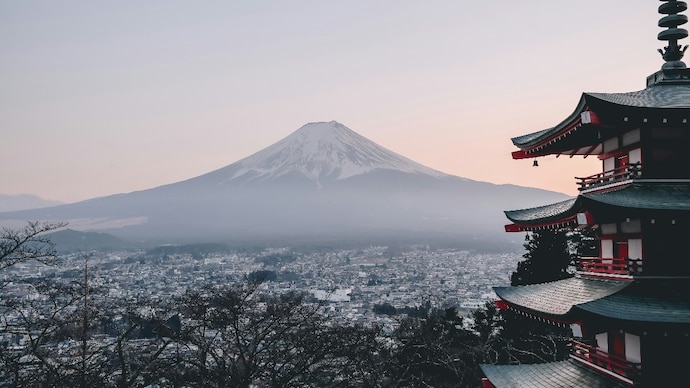
Japan has long been seen as one of those bucket-list destinations that had surprisingly become more accessible (falling yen is one of the reasons). It’s a country where centuries-old temples coexist with robot cafes, where cherry blossoms draw millions every spring, and where a bowl of ramen can be as memorable as a visit to Mount Fuji.
However, this move could be a bit of a bummer for those who had been planning their visit to the picturesque country in the upcoming days.
The move represents a five-fold increase and is being widely viewed as Tokyo's attempt to bring its visa fees closer to those charged by other developed economies while accounting for decades of inflation and major shifts in exchange rates.
Why is Japan doing this now?
The most striking aspect of the announcement is not just the scale of the increase but how long it has been coming.
Japan's visa fees have remained unchanged for nearly half a century. During that period, the country has weathered economic booms, recessions, a global pandemic and dramatic fluctuations in the value of the yen.
Japanese Foreign Minister Toshimitsu Motegi said the revision reflects inflation and exchange-rate changes that have accumulated since the last update in 1978. He also stressed that the government does not expect the increase to have an immediate impact on inbound tourism.
Travel analysts point out that even after the increase, Japan's fees will be more closely aligned with what travellers already pay for visas to destinations across Europe and North America.
A country struggling with too much popularity
The timing is particularly interesting because Japan is experiencing an unprecedented tourism boom. Last year, the country welcomed a record 42.7 million international visitors, driven by pent-up post-pandemic travel demand and a weak yen that made Japan relatively affordable for foreign tourists.
Cities like Kyoto, Tokyo and Osaka have been grappling with overtourism concerns. Local authorities have experimented with crowd-control measures, tourist taxes and restrictions in popular areas as visitor numbers continue to surge.
Against that backdrop, the visa fee hike appears less like a deterrent and more like an effort to ensure the country's immigration and tourism infrastructure can keep pace with demand.
It is not just tourist visas
The changes extend beyond holidaymakers. In May, Japan's Upper House also passed legislation allowing significant increases in fees related to residency applications and immigration procedures.
The statutory upper limit for permanent residency applications could rise to 300,000 yen from the current 10,000 yen, while certain residency status changes and extensions may also become substantially more expensive in the coming years.
For students, professionals and long-term residents, those changes could prove even more consequential than the tourist visa hike.
If you are planning a visit to Japan anytime soon, consider checking the official Embassy of Japan in India.
Have you seen way too many people on your Insta feed already in Japan and you were planning to do the same? Well, you will be in for a bit of a surprise here. Starting July 1, your trip to Japan could become significantly more expensive because the government has announced a steep increase in its visa fees.
In its first revision of visa fees since 1978, Japan has announced a steep increase in charges for foreign nationals applying to enter the country. A single-entry visa that currently costs 3,000 yen will now cost 15,000 yen, while a multiple-entry visa will jump from 6,000 yen to 30,000 yen, a BBC report suggested. In Indian currency, that translates to roughly Rs 8,750 and Rs 17,500 respectively.
Japan has long been seen as one of those bucket-list destinations that had surprisingly become more accessible (falling yen is one of the reasons). It’s a country where centuries-old temples coexist with robot cafes, where cherry blossoms draw millions every spring, and where a bowl of ramen can be as memorable as a visit to Mount Fuji.
However, this move could be a bit of a bummer for those who had been planning their visit to the picturesque country in the upcoming days.
The move represents a five-fold increase and is being widely viewed as Tokyo's attempt to bring its visa fees closer to those charged by other developed economies while accounting for decades of inflation and major shifts in exchange rates.
Why is Japan doing this now?
The most striking aspect of the announcement is not just the scale of the increase but how long it has been coming.
Japan's visa fees have remained unchanged for nearly half a century. During that period, the country has weathered economic booms, recessions, a global pandemic and dramatic fluctuations in the value of the yen.
Japanese Foreign Minister Toshimitsu Motegi said the revision reflects inflation and exchange-rate changes that have accumulated since the last update in 1978. He also stressed that the government does not expect the increase to have an immediate impact on inbound tourism.
Travel analysts point out that even after the increase, Japan's fees will be more closely aligned with what travellers already pay for visas to destinations across Europe and North America.
A country struggling with too much popularity
The timing is particularly interesting because Japan is experiencing an unprecedented tourism boom. Last year, the country welcomed a record 42.7 million international visitors, driven by pent-up post-pandemic travel demand and a weak yen that made Japan relatively affordable for foreign tourists.
Cities like Kyoto, Tokyo and Osaka have been grappling with overtourism concerns. Local authorities have experimented with crowd-control measures, tourist taxes and restrictions in popular areas as visitor numbers continue to surge.
Against that backdrop, the visa fee hike appears less like a deterrent and more like an effort to ensure the country's immigration and tourism infrastructure can keep pace with demand.
It is not just tourist visas
The changes extend beyond holidaymakers. In May, Japan's Upper House also passed legislation allowing significant increases in fees related to residency applications and immigration procedures.
The statutory upper limit for permanent residency applications could rise to 300,000 yen from the current 10,000 yen, while certain residency status changes and extensions may also become substantially more expensive in the coming years.
For students, professionals and long-term residents, those changes could prove even more consequential than the tourist visa hike.
If you are planning a visit to Japan anytime soon, consider checking the official Embassy of Japan in India.

