Tea tourism | Postcard from Assam
After experiencing the magic at The Postcard in the Durrung Tea Estate in Assam, we come away believing that tea tourism should be every traveller's cuppa
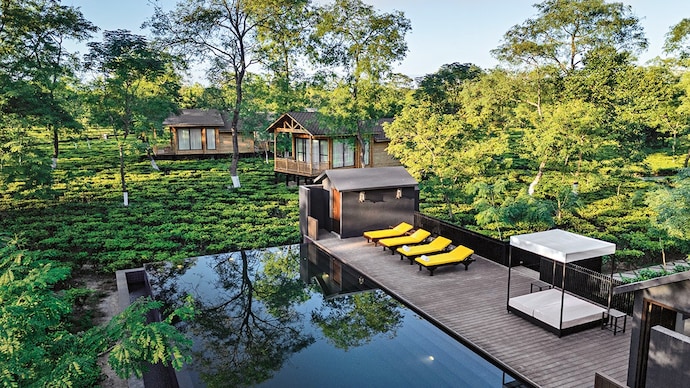
As I watch the mist laze on the tips of the tea plants in the morning, I’m starting to enjoy my plantation-owner era. The Assam tea plant I’m waxing lyrical about is apparently a variety of tea bush, Camellia sinensis var. assamica, known for its broad leaves, strong malty flavour and high yield, making it a staple for robust black teas. On cue, an elaborate tasting presented by connoisseur Kaushik Kumar Choudhury unfolds later in the day, where he not only shares tea knowhow but also conducts a Gongfu tea ceremony, so I can do a flight of four teas and understand the nuances of each. The next morning, he takes me on an enlightening walk through the Durrung Tea Estate. I get to see a few of the estate’s 900 pluckers at work, where they chant the catchy ‘eti koli, duti paat’ (one petal, two leaves) catchphrase to describe how they’re plucking the tender leaves. Inside the factory, I get to understand the fascinating yet very technical process of withering, oxidising, drying and sorting to create CTC black tea.
As I watch the mist laze on the tips of the tea plants in the morning, I’m starting to enjoy my plantation-owner era. The Assam tea plant I’m waxing lyrical about is apparently a variety of tea bush, Camellia sinensis var. assamica, known for its broad leaves, strong malty flavour and high yield, making it a staple for robust black teas. On cue, an elaborate tasting presented by connoisseur Kaushik Kumar Choudhury unfolds later in the day, where he not only shares tea knowhow but also conducts a Gongfu tea ceremony, so I can do a flight of four teas and understand the nuances of each. The next morning, he takes me on an enlightening walk through the Durrung Tea Estate. I get to see a few of the estate’s 900 pluckers at work, where they chant the catchy ‘eti koli, duti paat’ (one petal, two leaves) catchphrase to describe how they’re plucking the tender leaves. Inside the factory, I get to understand the fascinating yet very technical process of withering, oxidising, drying and sorting to create CTC black tea.
As I watch the mist laze on the tips of the tea plants in the morning, I’m starting to enjoy my plantation-owner era. The Assam tea plant I’m waxing lyrical about is apparently a variety of tea bush, Camellia sinensis var. assamica, known for its broad leaves, strong malty flavour and high yield, making it a staple for robust black teas. On cue, an elaborate tasting presented by connoisseur Kaushik Kumar Choudhury unfolds later in the day, where he not only shares tea knowhow but also conducts a Gongfu tea ceremony, so I can do a flight of four teas and understand the nuances of each. The next morning, he takes me on an enlightening walk through the Durrung Tea Estate. I get to see a few of the estate’s 900 pluckers at work, where they chant the catchy ‘eti koli, duti paat’ (one petal, two leaves) catchphrase to describe how they’re plucking the tender leaves. Inside the factory, I get to understand the fascinating yet very technical process of withering, oxidising, drying and sorting to create CTC black tea.
Tea tourism is brewing gently in Assam. The Amchong Tea Estate, one of Assam’s largest, has been around in Kamrup, near Guwahati, since 1958. It is now tempting travellers with interiors that draw from the undulating contours of a layered tea garden and natural textures, a factory viewing gallery, hands-on tea blending zones, ATV and jeep explorations of the estate, a dedicated tea bar with infusion-based menus and their tea-centric restaurant, Steep House. At Banyan Grove, inside the Gatoonga Tea Estate near Jorhat, you can stay in a heritage bungalow that was the erstwhile residence of the estate manager, while at the Kaziranga Golf Resort, you not only luxuriate in the beautifully restored Burra Sahib’s Bungalow and indulge in tea estate tours, but also enjoy the planters’ life by teeing off at the nine-hole 36 par golf course.
The tea experiences in Durrung, Assam, rival those that I’ve experienced in Darjeeling in West Bengal. Considering that Assam is one of the earliest places in the world where tea was cultivated, it is a region where more such ‘tea resorts’ could flourish and help to attract a bigger tourist footprint. The fact that hotelier Kapil Chopra has identified this and brought his luxury brand to the region in the form of The Postcard in the Durrung Tea Estate in Tezpur speaks volumes of the potential for tea tourism in the state. He observes, “Assam is a land of breathtaking landscapes, rich cultural traditions and an unmatched legacy of tea. The Northeast has long been an under-explored gem in India’s luxury travel landscape, also primarily due to limited high-end hospitality options. However, with better connectivity and increasing awareness, we believe Assam is poised to become a key destination for discerning travellers.”
One of India’s most biodiverse states, Assam is home to seven national parks and 18 wildlife sanctuaries, including the iconic Kaziranga and Manas, both UNESCO-listed. Chopra believes that, as Assam experiences a surge in both domestic and international tourist arrivals, the luxury segment is set to evolve in a way that is experience-driven and rooted in authenticity. “Travellers today want meaningful connections with the destination. At The Postcard in the Durrung Tea Estate, we see this shift reflected in the growing demand for personalised, boutique experiences,” he says.
WHERE THE LIVING IS GOOD
This is manifested in my stay in the Planter’s Bungalow of The Postcard in the Durrung Tea Estate. The 150-year-old estate, started by a Scotsman in 1875, is still going strong, its 1,400 acres producing CTC black tea, as well as heading towards more premium orthodox production soon. The history and heft of the estate lend gravitas, while The Postcard Hotel tag brings the pizzazz. This property has been three years in the jazzing up, and the results are beyond what you’d imagine.
The shared areas in the main building have the elements of an Anglo-Indian bungalow: a long driveway leading to a porch, welcoming lobby easing into a dining area and a spacious upstairs that accommodates a sitting room and cosy lounge bar. But all these, as well as the wide wraparound verandahs, have been given a stylish makeover far from Raj-era fustiness. Floral, bird and butterfly motifs and photographs of rhinos dot the hotel’s interiors, while elegant artwork from Chopra’s own art gallery fits in seamlessly. In my suite, whites and pastels perfectly balance the fuchsias, greens and jewel-toned forest prints. All of this gives the dcor a bright and breezy feel, even as it celebrates its colonial charm through dark wood furniture and a high four-poster bed.
TRAILING THE TEA
The unlimited welcome drinks at every Postcard property are much talked about in hospitality circles. At the Assam outpost, it’s their signature tea-based cocktails that set the mood. The Hibiscus Blossom ushers you into plantation life, smoothly blending floral notes of hibiscus tea with herbaceous gin. Later, my creamy and intense Spiced Pineapple Old Fashioned made with Jim Beam bourbon and cardamom tea, seems just the right libation for a cool night under the full moon as I float on a surreal sea of tea bushes.
MAXING THE AXOM
The meals they plan place you in the location too. Pani pitha rice cakes at breakfast to Brahmaputra prawns, joha rice, elephant applethe ingredients and recipes are as local as they come. The sleep-inducing Axomiya thali I try on my first afternoon is a burst of flavours. Be it bhetki fish from the river, a smokey eggplant mash, lai xaak khar (mustard greens in a banana-ash consomm) and pork (or chicken) in sesame gravy, or black rice kheer, it’s a culinary journey into real Assamese flavours. During a cooking session with chef Phiba Nongrum, mustard oil releases its aroma, freshly picked tea leaves cosy up with batter to form pakodas, which in turn become the base for a chai patta chaat.
ACTIVELY SPEAKING
There are also so many other things to do and explore while on this tea-licious adventure. Do I safari in search of the one-horned rhino and famous golden tiger in Kaziranga (only two hours away); head to Dameri at dawn for a birdwatching trail, or serenely raft into the sunset on the Jia Bhoroli river there? The village walk through Sengeli Mari Gaon, a chance to watch the Eri and Muga silk weavers in action and hear their stories over a meal is great too.
This blend of the traditional and the trendsetting in their offerings is what the boutique chain aims for. And they’ve been successful in reinterpreting destinations for the discerning traveller by creating similarly plush and private places in surprising nooks. Speaking to other guests here, I realise just how much of a role a hotel brand that they’re loyal to plays in bringing guests to experience a new destination. A few are here just because there’s a new Postcard property, some primarily for the Kaziranga National Park and others for the stunning tea garden location. There’s also much excitement about the new The Postcard on the Mighty Siang, coming up on the banks of the river in Pasighat in Arunachal Pradesh nearby.
Can’t wait for the next postcard from the Northeast!

