Why Bharathiraja returned his Padma Shri in 2009: Shall we break it or throw it?
As tributes poured in after filmmaker Bharathiraja's death, attention returned to his 2009 protest over the Sri Lankan civil war, where he returned his Padma Shri award. The episode captured how his public activism stood alongside his long influence on Tamil cinema.
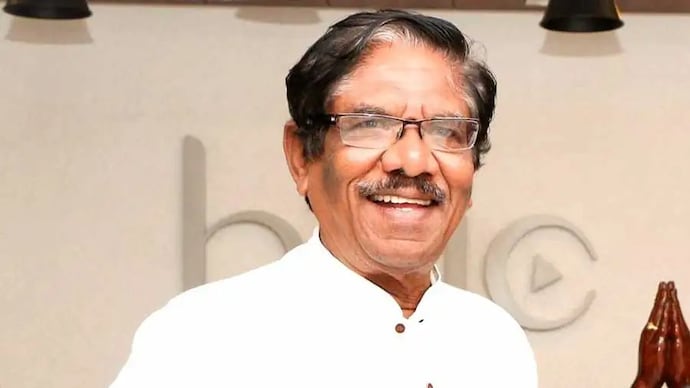
Veteran filmmaker Bharathiraja, who died at the age of 84 due to age-related illnesses on Wednesday, was remembered not only for his work in cinema but also for his interventions on public issues. Among the most noted episodes in his public life was his decision to return the Padma Shri to the government in protest.
In 2004, Bharathiraja was awarded the Padma Shri, India’s fourth-highest civilian honour, for his contribution to cinema. Years later, in 2009, at the peak of the raging Sri Lankan civil war, he led several protests against the Indian and Sri Lankan governments, demanding an immediate ceasefire and justice for Tamil civilians caught in the conflict.
He also joined other film personalities in organising rallies, fasting protests and public demonstrations, and later took part in a campaign against Congress candidates across Tamil Nadu during that year’s Lok Sabha elections.
A key meeting of the Film Industry Tamil Eelam Support Movement was held at the South Indian Film Chamber premises in Chennai that year. It was attended by film industry personalities as well as prominent non-political campaigners of the Sri Lankan Tamils.
At the end of the meeting, three resolutions were taken forward, one of which was Bharathiraja’s decision to return his Padma Shri in protest.
At one point, Bharathiraja asked, "Shall we throw it or break it?" and the crowd shouted, "Break it!" Director Cheran, however, suggested that the award should be returned to the central government, which was later accepted by the filmmaker.
Along with leading figures from the Tamil film industry, including directors Seeman, Cheran and Ameer, and actor Sathyaraj, Bharathiraja remained active in the agitation throughout the year. The group’s opposition to Congress candidates in Tamil Nadu during the Lok Sabha elections was linked to its anger over what it saw as the Congress-led government’s inability to intervene and halt the conflict that claimed the lives of many Sri Lankan Tamils.
About Bharathiraja
Bharathiraja’s health had been deteriorating ever since his son Manoj died of a cardiac arrest in March 2025 at the age of 48. He made his directorial debut with 16 Vayathinile in 1977. Over a career spanning five decades, he became known for bringing rooted, rustic and realistic stories to Tamil cinema, with many of them set in villages.
Popularly known as 'Iyakkunar Immayam' (Pinnacle of director), his films included Kizhake Pogum Rail, Sigappu Rojakkal, Alaigal Oivathillai, Kaadhal Oviyam and Mudhal Mariyathai. His most recent work as a director was the segment Paravai Kootil Vaazhum Maangal in Prime Video's Tamil anthology, Modern Love Chennai in 2023.
Bharathiraja’s life brought together cinema, public activism and support for the film fraternity. His return of the Padma Shri during the Sri Lankan civil war remains one of the defining moments in that wider public role, alongside a body of work that shaped Tamil cinema across generations.
Veteran filmmaker Bharathiraja, who died at the age of 84 due to age-related illnesses on Wednesday, was remembered not only for his work in cinema but also for his interventions on public issues. Among the most noted episodes in his public life was his decision to return the Padma Shri to the government in protest.
In 2004, Bharathiraja was awarded the Padma Shri, India’s fourth-highest civilian honour, for his contribution to cinema. Years later, in 2009, at the peak of the raging Sri Lankan civil war, he led several protests against the Indian and Sri Lankan governments, demanding an immediate ceasefire and justice for Tamil civilians caught in the conflict.
He also joined other film personalities in organising rallies, fasting protests and public demonstrations, and later took part in a campaign against Congress candidates across Tamil Nadu during that year’s Lok Sabha elections.
A key meeting of the Film Industry Tamil Eelam Support Movement was held at the South Indian Film Chamber premises in Chennai that year. It was attended by film industry personalities as well as prominent non-political campaigners of the Sri Lankan Tamils.
At the end of the meeting, three resolutions were taken forward, one of which was Bharathiraja’s decision to return his Padma Shri in protest.
At one point, Bharathiraja asked, "Shall we throw it or break it?" and the crowd shouted, "Break it!" Director Cheran, however, suggested that the award should be returned to the central government, which was later accepted by the filmmaker.
Along with leading figures from the Tamil film industry, including directors Seeman, Cheran and Ameer, and actor Sathyaraj, Bharathiraja remained active in the agitation throughout the year. The group’s opposition to Congress candidates in Tamil Nadu during the Lok Sabha elections was linked to its anger over what it saw as the Congress-led government’s inability to intervene and halt the conflict that claimed the lives of many Sri Lankan Tamils.
About Bharathiraja
Bharathiraja’s health had been deteriorating ever since his son Manoj died of a cardiac arrest in March 2025 at the age of 48. He made his directorial debut with 16 Vayathinile in 1977. Over a career spanning five decades, he became known for bringing rooted, rustic and realistic stories to Tamil cinema, with many of them set in villages.
Popularly known as 'Iyakkunar Immayam' (Pinnacle of director), his films included Kizhake Pogum Rail, Sigappu Rojakkal, Alaigal Oivathillai, Kaadhal Oviyam and Mudhal Mariyathai. His most recent work as a director was the segment Paravai Kootil Vaazhum Maangal in Prime Video's Tamil anthology, Modern Love Chennai in 2023.
Bharathiraja’s life brought together cinema, public activism and support for the film fraternity. His return of the Padma Shri during the Sri Lankan civil war remains one of the defining moments in that wider public role, alongside a body of work that shaped Tamil cinema across generations.

