Vietnamese crab exporter

Topic

Advertisement
TOPIC

Regional Cinema

Regional cinema covers films from various parts of India that do not fall in the purview of Bollywood or Hollywood cinema. These include films in Tamil, Telugu, Malayalam, Kannada, Konkani, Tulu, Marathi, Bengali, Bhojpuri, Gujarati, Punjabi, Odia, Kashmiri, Chhattisgarhi, Bodo, Manipuri, Assamese and Northeast languages, among others.


  • ALL
  • STORIES
  • VIDEOS

STORIES

Load More

VIDEOS

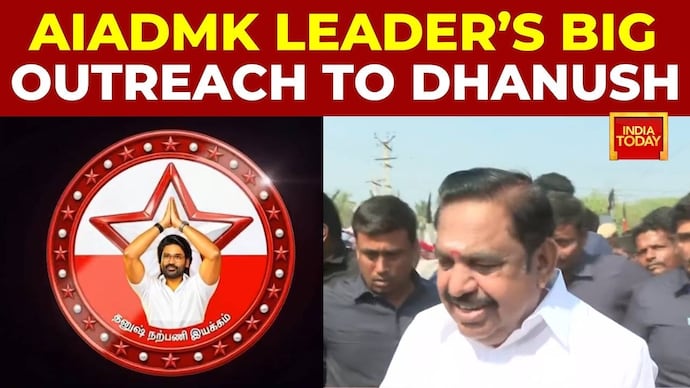
Party Outreach To Popular Actor, Fan Clubs Restructuring, Leadership Acceptance Condition

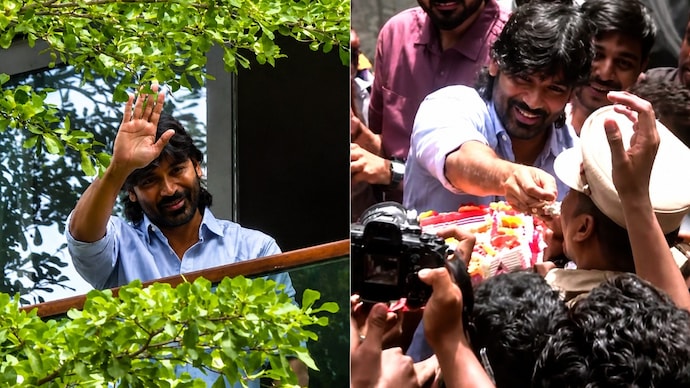
A senior leader and former minister from Tamil Nadu's AIADMK has publicly invited a prominent film actor to join the political party. The invitation followed the actor's recent decision to restructure fan clubs into a welfare movement, sparking political speculation. Speaking at a public rally in Sivakasi, the politician stated that the party welcomes young actors whose work creates an impact among the poor and the public. However, the political outfit noted a specific condition for entry, stating that any newcomer must accept the leadership of the party chief. The outreach comes amid shifts in the regional political landscape where cinema figures transition into political leadership.

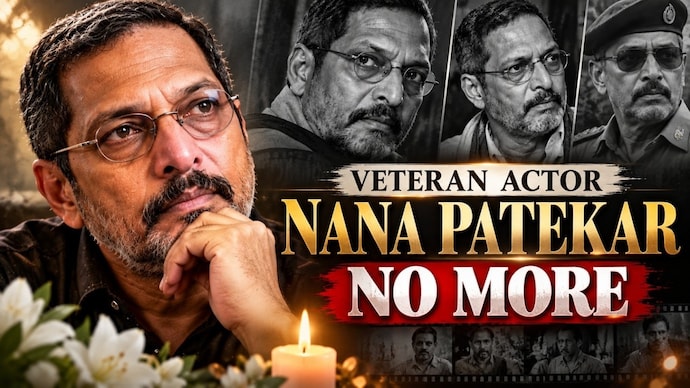
Actor First, Originality & Marathi Roots: Rajdeep Sardesai Remembers Nana Patekar

In a special broadcast, journalist Rajdeep Sardesai reflects on the life, cinematic brilliance, and enduring legacy of veteran actor Nana Patekar in conversation with news anchor Anisha. Describing Patekar as an intense titan of Indian cinema, the discussion traces his evolution from Marathi theater and regional cinema to national stardom. Known for iconic performances in films like Krantiveer, Parinda, Ab Tak Chhappan, Welcome, and the acclaimed Marathi drama Natasamrat, Patekar stood out for his explosive vocal delivery and wide artistic range across gritty crime thrillers, hard-hitting dramas, and commercial comedies. Sardesai highlights Patekar's uncompromising originality, noting that his roots in Marathi culture and theater shaped him as an actor who placed craft above celebrity status. The discussion also touches upon Patekar's grounded lifestyle outside the film industry, including his preference for his Pune farm and simple attire, remembering him as a straight-talking, authentic performer who never lost touch with his middle-class and rural roots.

India Today Karnataka Roundtable: 'Ninety Percent Of The Story Rest On The Writing', Says Saptami Gowda

At the India Today Karnataka Roundtable, actors Aashika Ranganath and Saptami Gowda discussed the evolution, achievements, and untapped potential of the Kannada film industry, commonly known as Sandalwood. Reflecting on global hits like Kantara and upcoming projects like Toxic, both actors emphasized that rooted cultural authenticity defines Sandalwood. Saptami Gowda highlighted scriptwriting as the core of filmmaking success, remarking, 'ninety percent of the story or movies rest on the writing,' while advocating for better respect and due diligence for writers. Addressing industry challenges, they pointed out the issue of pay disparity between male and female actors, calling for higher remuneration for female leads while noting positive shifts toward progressive female-led roles. Both actors also shared recommendations of classic and modern Kannada movies, highlighting Sandalwood's rich history and audience support.

The India Today Round Table: Praneetha, Samyukta & Vineeth On Bengaluru Infrastructure And Language Debate

At the India Today Karnataka Roundtable session titled 'What Youth Want', actors Pranitha Subhash and Samyukta Hornad joined Jordindian creators Naser Al Azzeh and Vineeth Kumar to address youth culture, Gen Z political awareness, digital activism, and urban growth in Bengaluru. The panelists examined how politicians utilize social media platforms like Instagram for outreach, noting how youth engagement and ground protests demand political accountability. The discussion focused on Bengaluru's expansion, infrastructure challenges, road repairs, waste management initiatives, real estate costs, traffic congestion, and road rage, alongside broader issues such as unemployment and human-animal conflicts. Emphasizing civic integration and local identity, the speakers highlighted the importance of learning Kannada, respecting local culture and heritage, and practicing civic responsibility as the technology hub expands. The panel concluded with calls for sustainable urban planning, effective digital communication, and mutual respect between long-term residents and newcomers moving to the city.