From Jantar Mantar to Jaipal Singh Munda Stadium: The geography of India's anger
Protesters at Jaipal Singh Munda Stadium are drawing comparisons with the crowds once seen at Jantar Mantar. The smaller gathering reflects accumulated anger over broken promises and institutional failure.
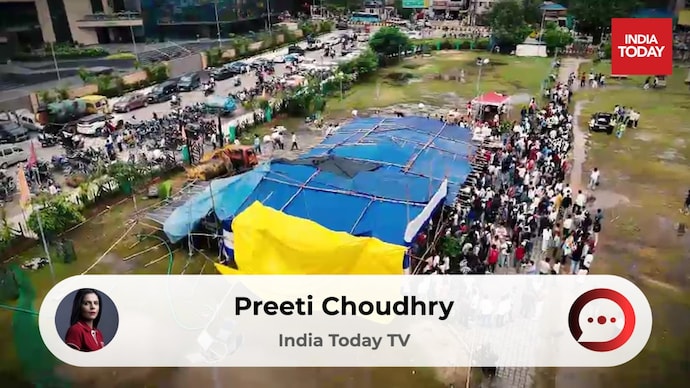
The crowds are way smaller than those that once thronged Jantar Mantar. But numbers alone rarely tell the story of a protest. The mood, the emotion and the underlying sense of betrayal often matter far more. In that sense, what is unfolding at Jaipal Singh Munda Stadium feels uncannily familiar to Jantar Mantar.
Like Jantar Mantar, this movement sits at the intersection of public outrage and political engagement and tacit support . Like Jantar Mantar, there is an unmistakable political undercurrent. Political actors and supporters are present.. Political parties and activists are visible, as they inevitably are in any mass mobilisation. Yet it would be a mistake to dismiss the gathering as politically manufactured. Much of the crowd is organic ..ordinary citizens are here not because they were mobilized, but because they feel compelled to be there.
The demographics, however, tell a different story. Jantar Mantar belonged to a younger India.. the Gen Z, first-time protesters and idealists who believed change was within reach. Jaipal Singh Munda Stadium is populated largely by people in their late twenties and thirties. They are no longer driven by optimism alone but by angst. They are a generation that has lived through repeated scandals, broken promises and institutional failures. Their anger is not impulsive, its is accumulated.
This is a lot that appears less idealistic and more exhausted, carrying the weight of repeated disappointments with institutions they believe have failed them.. they are jaded and want accountability of their youth paying the price for a broken system.
The solidarity on display here is also reminiscent of Jantar Mantar. As it happened then, citizens have begun expressing support in tangible ways, sending food and essential supplies to sustain those participating in the protest.
These gestures are more than charity. They are a public declaration that the protest belongs not only to those occupying the space, but also to those watching from afar.
The language of protest, however, is very different. Jantar Mantar was marked by satire, irreverence, witty slogans, some times insult.. biting sarcasm aimed at those in power. The mood in Jharkhand is different. The dominant emotions are raw anger, helplessness and anguish. The humour that once softened dissent has given way to a more visceral expression of disillusionment.
At Jaipal Singh Munda Stadium, the joke as they know it is on them .. the protestors.
What one witnesses is something far more unsettling: The slogans are not clever; they are cries of frustration from people who no longer believe that institutions will correct themselves.
History often offers a warning. Jantar Mantar was never really about a single location. Jaipal Singh Munda Stadium albeit with lesser crowds is today the new Jantar Mantar. If the underlying causes of this anger remain unaddressed, today's protest site will simply be replaced by another tomorrow.. in another city, another state, another government .. another grievance. The venue will change. The emotion will not.
The real question is not whether this protest will end. It will.
The question is whether the conditions that produced it will end or not.
If they do not, India will continue to discover new Jantar Mantars and new Jaipal Singh Munda Stadiums. Public squares may have different names, but they will keep filling with the same message... a generation that feels unheard will eventually find its own stage from which to be heard... and like it or not - they will be heard .. they will make sure of it !
The crowds are way smaller than those that once thronged Jantar Mantar. But numbers alone rarely tell the story of a protest. The mood, the emotion and the underlying sense of betrayal often matter far more. In that sense, what is unfolding at Jaipal Singh Munda Stadium feels uncannily familiar to Jantar Mantar.
Like Jantar Mantar, this movement sits at the intersection of public outrage and political engagement and tacit support . Like Jantar Mantar, there is an unmistakable political undercurrent. Political actors and supporters are present.. Political parties and activists are visible, as they inevitably are in any mass mobilisation. Yet it would be a mistake to dismiss the gathering as politically manufactured. Much of the crowd is organic ..ordinary citizens are here not because they were mobilized, but because they feel compelled to be there.
The demographics, however, tell a different story. Jantar Mantar belonged to a younger India.. the Gen Z, first-time protesters and idealists who believed change was within reach. Jaipal Singh Munda Stadium is populated largely by people in their late twenties and thirties. They are no longer driven by optimism alone but by angst. They are a generation that has lived through repeated scandals, broken promises and institutional failures. Their anger is not impulsive, its is accumulated.
This is a lot that appears less idealistic and more exhausted, carrying the weight of repeated disappointments with institutions they believe have failed them.. they are jaded and want accountability of their youth paying the price for a broken system.
The solidarity on display here is also reminiscent of Jantar Mantar. As it happened then, citizens have begun expressing support in tangible ways, sending food and essential supplies to sustain those participating in the protest.
These gestures are more than charity. They are a public declaration that the protest belongs not only to those occupying the space, but also to those watching from afar.
The language of protest, however, is very different. Jantar Mantar was marked by satire, irreverence, witty slogans, some times insult.. biting sarcasm aimed at those in power. The mood in Jharkhand is different. The dominant emotions are raw anger, helplessness and anguish. The humour that once softened dissent has given way to a more visceral expression of disillusionment.
At Jaipal Singh Munda Stadium, the joke as they know it is on them .. the protestors.
What one witnesses is something far more unsettling: The slogans are not clever; they are cries of frustration from people who no longer believe that institutions will correct themselves.
History often offers a warning. Jantar Mantar was never really about a single location. Jaipal Singh Munda Stadium albeit with lesser crowds is today the new Jantar Mantar. If the underlying causes of this anger remain unaddressed, today's protest site will simply be replaced by another tomorrow.. in another city, another state, another government .. another grievance. The venue will change. The emotion will not.
The real question is not whether this protest will end. It will.
The question is whether the conditions that produced it will end or not.
If they do not, India will continue to discover new Jantar Mantars and new Jaipal Singh Munda Stadiums. Public squares may have different names, but they will keep filling with the same message... a generation that feels unheard will eventually find its own stage from which to be heard... and like it or not - they will be heard .. they will make sure of it !
The crowds are way smaller than those that once thronged Jantar Mantar. But numbers alone rarely tell the story of a protest. The mood, the emotion and the underlying sense of betrayal often matter far more. In that sense, what is unfolding at Jaipal Singh Munda Stadium feels uncannily familiar to Jantar Mantar.
Like Jantar Mantar, this movement sits at the intersection of public outrage and political engagement and tacit support . Like Jantar Mantar, there is an unmistakable political undercurrent. Political actors and supporters are present.. Political parties and activists are visible, as they inevitably are in any mass mobilisation. Yet it would be a mistake to dismiss the gathering as politically manufactured. Much of the crowd is organic ..ordinary citizens are here not because they were mobilized, but because they feel compelled to be there.
The demographics, however, tell a different story. Jantar Mantar belonged to a younger India.. the Gen Z, first-time protesters and idealists who believed change was within reach. Jaipal Singh Munda Stadium is populated largely by people in their late twenties and thirties. They are no longer driven by optimism alone but by angst. They are a generation that has lived through repeated scandals, broken promises and institutional failures. Their anger is not impulsive, its is accumulated.
This is a lot that appears less idealistic and more exhausted, carrying the weight of repeated disappointments with institutions they believe have failed them.. they are jaded and want accountability of their youth paying the price for a broken system.
The solidarity on display here is also reminiscent of Jantar Mantar. As it happened then, citizens have begun expressing support in tangible ways, sending food and essential supplies to sustain those participating in the protest.
These gestures are more than charity. They are a public declaration that the protest belongs not only to those occupying the space, but also to those watching from afar.
The language of protest, however, is very different. Jantar Mantar was marked by satire, irreverence, witty slogans, some times insult.. biting sarcasm aimed at those in power. The mood in Jharkhand is different. The dominant emotions are raw anger, helplessness and anguish. The humour that once softened dissent has given way to a more visceral expression of disillusionment.
At Jaipal Singh Munda Stadium, the joke as they know it is on them .. the protestors.
What one witnesses is something far more unsettling: The slogans are not clever; they are cries of frustration from people who no longer believe that institutions will correct themselves.
History often offers a warning. Jantar Mantar was never really about a single location. Jaipal Singh Munda Stadium albeit with lesser crowds is today the new Jantar Mantar. If the underlying causes of this anger remain unaddressed, today's protest site will simply be replaced by another tomorrow.. in another city, another state, another government .. another grievance. The venue will change. The emotion will not.
The real question is not whether this protest will end. It will.
The question is whether the conditions that produced it will end or not.
If they do not, India will continue to discover new Jantar Mantars and new Jaipal Singh Munda Stadiums. Public squares may have different names, but they will keep filling with the same message... a generation that feels unheard will eventually find its own stage from which to be heard... and like it or not - they will be heard .. they will make sure of it !

