Homer's epic written before The Odyssey found in the hands of 1,600-year-old mummy
A coincidental archaeological discovery has surfaced just as Christopher Nolan's The Odyssey reaches theatres. The finding is raising questions about how one of history's greatest literary works was valued nearly two millennia ago.
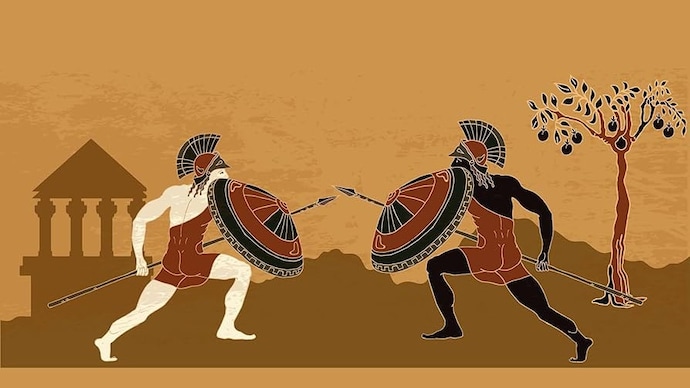
Christopher Nolan's The Odyssey is bringing Homer's legendary tale back to the big screen today, and in a timely coincidence, archaeologists have uncovered an equally remarkable chapter from the ancient world itself.
In Egypt, researchers have discovered a 1,600-year-old mummy wrapped with a fragment of Iliad, a prequel epic to The Odyssey, also written by Homer.
The discovery marked the first known archaeological evidence where a famous Greek literary work was deliberately used during the mummification process.
The discovery offers an extraordinary glimpse into how Greek literature and Egyptian burial traditions overlapped centuries ago, when Egypt was under Roman rule and Greek culture was deeply woven into everyday life.
A PAGE OF ILLIAD HIDDEN INSIDE A MUMMY
The papyrus fragment was identified as part of the famous "Catalogue of Ships" from the Iliad, an epic poem traditionally attributed to the Greek poet Homer.
This section lists the Greek kingdoms and warriors who sailed to fight in the Trojan War, making it one of the best-known passages in classical literature.
Researchers said the text was not accidentally recycled as wrapping material.
Instead, evidence suggests it was intentionally incorporated into the embalming process, marking the first archaeological proof that a recognised Greek literary text formed part of a mummy's construction.
Papyrus, which is an ancient form of paper and an early writing material made from the papyrus plant, was widely used across ancient Egypt for everything from official records to literary works.
Fragments were sometimes reused during mummification, but these usually contained everyday documents rather than celebrated works of literature.
WHY ILLIAD IN EGYPT IS A BIG DEAL
The finding sheds new light on the cultural blending that characterised Roman Egypt between the first and fourth centuries AD.
Following Alexander the Great's conquest of Egypt in 332 BC, Greek language, education and literature spread across the region, while traditional Egyptian religious practices, including mummification, continued for centuries.
The newly identified papyrus suggests that Homer's writings may have held symbolic or cultural value beyond education, potentially even playing a role in funerary rituals.
Researchers caution that more discoveries will be needed to determine whether this was a unique practice or part of a broader tradition.
As audiences prepare to watch Nolan's cinematic retelling of the ancient Greek world, this archaeological discovery serves as a reminder that Homer's epics have endured for nearly three millennia, not just in books and films, but even in the traditions of the ancient world.
Christopher Nolan's The Odyssey is bringing Homer's legendary tale back to the big screen today, and in a timely coincidence, archaeologists have uncovered an equally remarkable chapter from the ancient world itself.
In Egypt, researchers have discovered a 1,600-year-old mummy wrapped with a fragment of Iliad, a prequel epic to The Odyssey, also written by Homer.
The discovery marked the first known archaeological evidence where a famous Greek literary work was deliberately used during the mummification process.
The discovery offers an extraordinary glimpse into how Greek literature and Egyptian burial traditions overlapped centuries ago, when Egypt was under Roman rule and Greek culture was deeply woven into everyday life.
A PAGE OF ILLIAD HIDDEN INSIDE A MUMMY
The papyrus fragment was identified as part of the famous "Catalogue of Ships" from the Iliad, an epic poem traditionally attributed to the Greek poet Homer.
This section lists the Greek kingdoms and warriors who sailed to fight in the Trojan War, making it one of the best-known passages in classical literature.
Researchers said the text was not accidentally recycled as wrapping material.
Instead, evidence suggests it was intentionally incorporated into the embalming process, marking the first archaeological proof that a recognised Greek literary text formed part of a mummy's construction.
Papyrus, which is an ancient form of paper and an early writing material made from the papyrus plant, was widely used across ancient Egypt for everything from official records to literary works.
Fragments were sometimes reused during mummification, but these usually contained everyday documents rather than celebrated works of literature.
WHY ILLIAD IN EGYPT IS A BIG DEAL
The finding sheds new light on the cultural blending that characterised Roman Egypt between the first and fourth centuries AD.
Following Alexander the Great's conquest of Egypt in 332 BC, Greek language, education and literature spread across the region, while traditional Egyptian religious practices, including mummification, continued for centuries.
The newly identified papyrus suggests that Homer's writings may have held symbolic or cultural value beyond education, potentially even playing a role in funerary rituals.
Researchers caution that more discoveries will be needed to determine whether this was a unique practice or part of a broader tradition.
As audiences prepare to watch Nolan's cinematic retelling of the ancient Greek world, this archaeological discovery serves as a reminder that Homer's epics have endured for nearly three millennia, not just in books and films, but even in the traditions of the ancient world.
Christopher Nolan's The Odyssey is bringing Homer's legendary tale back to the big screen today, and in a timely coincidence, archaeologists have uncovered an equally remarkable chapter from the ancient world itself.
In Egypt, researchers have discovered a 1,600-year-old mummy wrapped with a fragment of Iliad, a prequel epic to The Odyssey, also written by Homer.
The discovery marked the first known archaeological evidence where a famous Greek literary work was deliberately used during the mummification process.
The discovery offers an extraordinary glimpse into how Greek literature and Egyptian burial traditions overlapped centuries ago, when Egypt was under Roman rule and Greek culture was deeply woven into everyday life.
A PAGE OF ILLIAD HIDDEN INSIDE A MUMMY
The papyrus fragment was identified as part of the famous "Catalogue of Ships" from the Iliad, an epic poem traditionally attributed to the Greek poet Homer.
This section lists the Greek kingdoms and warriors who sailed to fight in the Trojan War, making it one of the best-known passages in classical literature.
Researchers said the text was not accidentally recycled as wrapping material.
Instead, evidence suggests it was intentionally incorporated into the embalming process, marking the first archaeological proof that a recognised Greek literary text formed part of a mummy's construction.
Papyrus, which is an ancient form of paper and an early writing material made from the papyrus plant, was widely used across ancient Egypt for everything from official records to literary works.
Fragments were sometimes reused during mummification, but these usually contained everyday documents rather than celebrated works of literature.
WHY ILLIAD IN EGYPT IS A BIG DEAL
The finding sheds new light on the cultural blending that characterised Roman Egypt between the first and fourth centuries AD.
Following Alexander the Great's conquest of Egypt in 332 BC, Greek language, education and literature spread across the region, while traditional Egyptian religious practices, including mummification, continued for centuries.
The newly identified papyrus suggests that Homer's writings may have held symbolic or cultural value beyond education, potentially even playing a role in funerary rituals.
Researchers caution that more discoveries will be needed to determine whether this was a unique practice or part of a broader tradition.
As audiences prepare to watch Nolan's cinematic retelling of the ancient Greek world, this archaeological discovery serves as a reminder that Homer's epics have endured for nearly three millennia, not just in books and films, but even in the traditions of the ancient world.

