Explained: IRCTC now has a new website, here are all the ways it is different from the old version
IRCTC has launched a new website. It ships with many changes geared to improve the overall ticket-booking experience. Here are all the ways it differs from the old website.
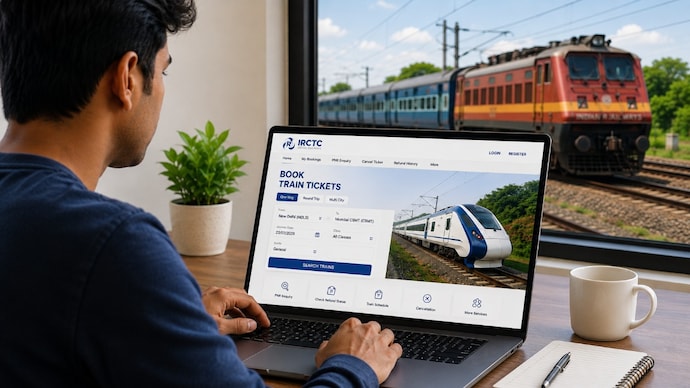
IRCTC has launched a new website refresh for Indian users. The website, now available to all users in beta, boasts new features and upgraded under the hood changes to make ticket-booking more seamless.
Interestingly, the new website was created and pushed out after students complained about it to India’s Minister for Railways, Information & Broadcasting and Electronics & Information Technology, Ashwani Vaishnaw. The major complaint was that the old IRCTC website was buggy. Vaishnaw on his part had asked IRCTC to launch the new website, free of any issues, by July 15. IRCTC delivered the new website on schedule, at sharp 9PM on July 15, 2026.
So, what has actually changed, and do those changes make any difference to the overall experience? India Today Tech will tell you in this writeup.
Old IRCTC website recap
If you have ever tried to book a Tatkal ticket, you already know. The old IRCTC website struggled under pressure. During peak booking windows, when lakhs of users would rush to book tickets within the same 60 seconds, the system would buckle. Pages would freeze, payments would get stuck, and seats would disappear before the booking even went through. The old platform could handle around 32,000 ticket bookings per minute, which sounds like a lot until you consider how many people are trying to book at the exact same moment.
Beyond the capacity problem, the experience itself was cluttered. CAPTCHA checks would pop up mid-booking, flashing banners competed for your attention, and checking seat availability meant toggling between classes one by one. If you wanted to see whether Sleeper, AC 3 Tier, and AC 2 Tier were all available on the same train, you had to check each one separately. It was tedious, and it cost people bookings.
New IRCTC website, what’s new and different?
The redesigned website, now live in beta at https://www.irctc.co.in/eticket/, makes four core improvements that address the most common frustrations.
The first and most immediately noticeable change is the removal of unnecessary interruptions. No unnecessary CAPTCHAs, no pop-ups, no flashing graphics. The booking flow is cleaner from start to finish, which matters most during Tatkal windows where every second counts.
The second change is unified seat availability. Instead of checking each class separately, the new website shows seat availability across all classes, Sleeper, AC 3 Tier, AC 2 Tier, and others, on a single screen. It is a small change that saves a surprising amount of back-and-forth.
Third, the new website reduces the number of steps required to complete a booking. Frequent travellers can save passenger details, which makes repeat bookings significantly faster since you don't have to fill in the same information every time.
The beta version also sets the stage for features that will come with the full launch, including seat preference selection at the time of booking, a fare calendar that lets you compare ticket prices across dates, multilingual support for all 22 scheduled Indian languages, and a unified platform for concession bookings covering Divyangjan passengers, students, and patients.
Is the new IRCTC website actually faster?
Yes, at least that is what it seems like. The new platform has been rebuilt to handle more than 1.5 lakh ticket bookings per minute, compared to roughly 32,000 on the old system. That is nearly five times the capacity. The Passenger Reservation System backend is also being upgraded to handle over 40 lakh enquiries per minute, up from around 4 lakh currently.
In practical terms, this means the website should be significantly more stable during peak Tatkal windows. Fewer crashes, fewer failed transactions, and fewer instances of a seat vanishing before your booking goes through. The Railways is also revamping the core Passenger Reservation Engine that powers ticket booking across multiple apps, and once that goes live, it will integrate with the new IRCTC portal for a fully upgraded end-to-end experience.
Has the booking process changed?
The steps are broadly the same, but fewer and smoother. You log in, enter your boarding station, destination, journey date, and quota, then search for trains. The list of available trains shows departure and arrival timings, journey duration, and seat availability. You click to check availability, select your train and class, and proceed to enter passenger details before completing payment.
What is different is how much less friction there is along the way. No unexpected CAPTCHA to solve before you can confirm. No need to open multiple tabs to compare classes. Saved passenger details mean you are not typing out names and ages every single time.
The beta version is live now, and IRCTC is collecting feedback from users before the final version rolls out in the coming weeks. If you want to try it before everyone else, you can access it directly at https://www.irctc.co.in/eticket/.
IRCTC has launched a new website refresh for Indian users. The website, now available to all users in beta, boasts new features and upgraded under the hood changes to make ticket-booking more seamless.
Interestingly, the new website was created and pushed out after students complained about it to India’s Minister for Railways, Information & Broadcasting and Electronics & Information Technology, Ashwani Vaishnaw. The major complaint was that the old IRCTC website was buggy. Vaishnaw on his part had asked IRCTC to launch the new website, free of any issues, by July 15. IRCTC delivered the new website on schedule, at sharp 9PM on July 15, 2026.
So, what has actually changed, and do those changes make any difference to the overall experience? India Today Tech will tell you in this writeup.
Old IRCTC website recap
If you have ever tried to book a Tatkal ticket, you already know. The old IRCTC website struggled under pressure. During peak booking windows, when lakhs of users would rush to book tickets within the same 60 seconds, the system would buckle. Pages would freeze, payments would get stuck, and seats would disappear before the booking even went through. The old platform could handle around 32,000 ticket bookings per minute, which sounds like a lot until you consider how many people are trying to book at the exact same moment.
Beyond the capacity problem, the experience itself was cluttered. CAPTCHA checks would pop up mid-booking, flashing banners competed for your attention, and checking seat availability meant toggling between classes one by one. If you wanted to see whether Sleeper, AC 3 Tier, and AC 2 Tier were all available on the same train, you had to check each one separately. It was tedious, and it cost people bookings.
New IRCTC website, what’s new and different?
The redesigned website, now live in beta at https://www.irctc.co.in/eticket/, makes four core improvements that address the most common frustrations.
The first and most immediately noticeable change is the removal of unnecessary interruptions. No unnecessary CAPTCHAs, no pop-ups, no flashing graphics. The booking flow is cleaner from start to finish, which matters most during Tatkal windows where every second counts.
The second change is unified seat availability. Instead of checking each class separately, the new website shows seat availability across all classes, Sleeper, AC 3 Tier, AC 2 Tier, and others, on a single screen. It is a small change that saves a surprising amount of back-and-forth.
Third, the new website reduces the number of steps required to complete a booking. Frequent travellers can save passenger details, which makes repeat bookings significantly faster since you don't have to fill in the same information every time.
The beta version also sets the stage for features that will come with the full launch, including seat preference selection at the time of booking, a fare calendar that lets you compare ticket prices across dates, multilingual support for all 22 scheduled Indian languages, and a unified platform for concession bookings covering Divyangjan passengers, students, and patients.
Is the new IRCTC website actually faster?
Yes, at least that is what it seems like. The new platform has been rebuilt to handle more than 1.5 lakh ticket bookings per minute, compared to roughly 32,000 on the old system. That is nearly five times the capacity. The Passenger Reservation System backend is also being upgraded to handle over 40 lakh enquiries per minute, up from around 4 lakh currently.
In practical terms, this means the website should be significantly more stable during peak Tatkal windows. Fewer crashes, fewer failed transactions, and fewer instances of a seat vanishing before your booking goes through. The Railways is also revamping the core Passenger Reservation Engine that powers ticket booking across multiple apps, and once that goes live, it will integrate with the new IRCTC portal for a fully upgraded end-to-end experience.
Has the booking process changed?
The steps are broadly the same, but fewer and smoother. You log in, enter your boarding station, destination, journey date, and quota, then search for trains. The list of available trains shows departure and arrival timings, journey duration, and seat availability. You click to check availability, select your train and class, and proceed to enter passenger details before completing payment.
What is different is how much less friction there is along the way. No unexpected CAPTCHA to solve before you can confirm. No need to open multiple tabs to compare classes. Saved passenger details mean you are not typing out names and ages every single time.
The beta version is live now, and IRCTC is collecting feedback from users before the final version rolls out in the coming weeks. If you want to try it before everyone else, you can access it directly at https://www.irctc.co.in/eticket/.
IRCTC has launched a new website refresh for Indian users. The website, now available to all users in beta, boasts new features and upgraded under the hood changes to make ticket-booking more seamless.
Interestingly, the new website was created and pushed out after students complained about it to India’s Minister for Railways, Information & Broadcasting and Electronics & Information Technology, Ashwani Vaishnaw. The major complaint was that the old IRCTC website was buggy. Vaishnaw on his part had asked IRCTC to launch the new website, free of any issues, by July 15. IRCTC delivered the new website on schedule, at sharp 9PM on July 15, 2026.
So, what has actually changed, and do those changes make any difference to the overall experience? India Today Tech will tell you in this writeup.
Old IRCTC website recap
If you have ever tried to book a Tatkal ticket, you already know. The old IRCTC website struggled under pressure. During peak booking windows, when lakhs of users would rush to book tickets within the same 60 seconds, the system would buckle. Pages would freeze, payments would get stuck, and seats would disappear before the booking even went through. The old platform could handle around 32,000 ticket bookings per minute, which sounds like a lot until you consider how many people are trying to book at the exact same moment.
Beyond the capacity problem, the experience itself was cluttered. CAPTCHA checks would pop up mid-booking, flashing banners competed for your attention, and checking seat availability meant toggling between classes one by one. If you wanted to see whether Sleeper, AC 3 Tier, and AC 2 Tier were all available on the same train, you had to check each one separately. It was tedious, and it cost people bookings.
New IRCTC website, what’s new and different?
The redesigned website, now live in beta at https://www.irctc.co.in/eticket/, makes four core improvements that address the most common frustrations.
The first and most immediately noticeable change is the removal of unnecessary interruptions. No unnecessary CAPTCHAs, no pop-ups, no flashing graphics. The booking flow is cleaner from start to finish, which matters most during Tatkal windows where every second counts.
The second change is unified seat availability. Instead of checking each class separately, the new website shows seat availability across all classes, Sleeper, AC 3 Tier, AC 2 Tier, and others, on a single screen. It is a small change that saves a surprising amount of back-and-forth.
Third, the new website reduces the number of steps required to complete a booking. Frequent travellers can save passenger details, which makes repeat bookings significantly faster since you don't have to fill in the same information every time.
The beta version also sets the stage for features that will come with the full launch, including seat preference selection at the time of booking, a fare calendar that lets you compare ticket prices across dates, multilingual support for all 22 scheduled Indian languages, and a unified platform for concession bookings covering Divyangjan passengers, students, and patients.
Is the new IRCTC website actually faster?
Yes, at least that is what it seems like. The new platform has been rebuilt to handle more than 1.5 lakh ticket bookings per minute, compared to roughly 32,000 on the old system. That is nearly five times the capacity. The Passenger Reservation System backend is also being upgraded to handle over 40 lakh enquiries per minute, up from around 4 lakh currently.
In practical terms, this means the website should be significantly more stable during peak Tatkal windows. Fewer crashes, fewer failed transactions, and fewer instances of a seat vanishing before your booking goes through. The Railways is also revamping the core Passenger Reservation Engine that powers ticket booking across multiple apps, and once that goes live, it will integrate with the new IRCTC portal for a fully upgraded end-to-end experience.
Has the booking process changed?
The steps are broadly the same, but fewer and smoother. You log in, enter your boarding station, destination, journey date, and quota, then search for trains. The list of available trains shows departure and arrival timings, journey duration, and seat availability. You click to check availability, select your train and class, and proceed to enter passenger details before completing payment.
What is different is how much less friction there is along the way. No unexpected CAPTCHA to solve before you can confirm. No need to open multiple tabs to compare classes. Saved passenger details mean you are not typing out names and ages every single time.
The beta version is live now, and IRCTC is collecting feedback from users before the final version rolls out in the coming weeks. If you want to try it before everyone else, you can access it directly at https://www.irctc.co.in/eticket/.

