Silicon Valley startup makes robot work 8-hour shift without break, here is what happened
Figure AI livestreamed humanoid robots autonomously handling warehouse tasks for eight hours using its Helix-02 AI system, highlighting both the progress and limitations of long-duration robotic labour.
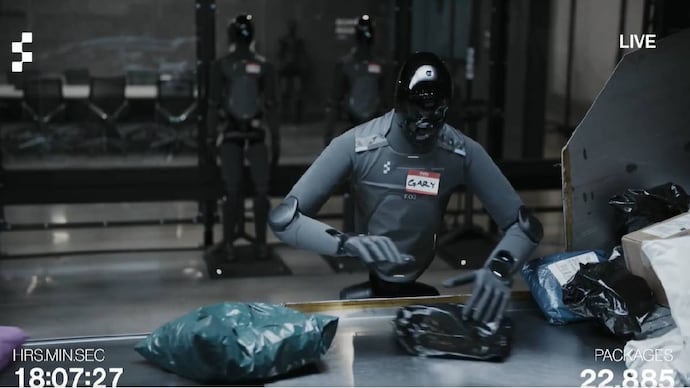
Figure AI has demonstrated a humanoid robot performing a full eight-hour warehouse shift during a livestream on X, showcasing the company’s latest efforts to bring autonomous robots closer to real-world industrial work. The robot, powered by Figure AI’s Helix-02 AI system, was seen moving delivery packages onto a conveyor belt in what appeared to be a warehouse environment. According to Figure AI CEO Brett Adcock, the system had previously been tested continuously for only one hour, but the company is now pushing it to operate for eight hours without interruption.
“Watch a team of humanoid robots running a full 8-hr shift at human performance levels. This is fully autonomous running Helix-02,” Adcock wrote on X.
The livestream highlighted a major challenge in humanoid robotics: maintaining continuous operation for long durations without human intervention. Anticipating that “high odds something breaks” during the extended test, the company developed a multi-robot coordination system designed to keep the task running continuously even if one robot encountered a problem.
“It’s a multi-robot coordination with autonomous failover strategy. If a robot detects an issue — it will self diagnose itself and if there’s an issue it autonomously walks to maintenance and requests a replacement from the fleet — no humans in the loop,” Adcock explained, according to AOL.
Adcock also compared the robot’s performance with human workers involved in package-handling tasks. According to him, human workers typically take around three seconds to process each package, and the company’s humanoid robots are now approaching similar performance levels.
Robots can request replacements without human supervision
He further explained that the robot can work for around three to four hours before its battery becomes low. Instead of waiting for a human worker to replace it, the robot can autonomously request another robot to take over its position.
If a robot detects a technical issue, it can diagnose itself, leave the work area independently, walk to maintenance and request a replacement from the robotic fleet — all without human supervision.
Livestream also revealed limitations in robot performance
However, the livestream also revealed some limitations in the technology. Although the robot successfully completed the assigned task, its movements appeared slower than what would normally be expected from a human worker performing the same activity.
At certain moments in the video, the robot could also be seen briefly pausing or appearing inactive before resuming work.
The demonstration reflects how humanoid robotics companies are increasingly shifting focus from short viral demos to long-duration autonomous industrial work, where reliability and continuous operation are becoming just as important as movement itself.
Figure AI has demonstrated a humanoid robot performing a full eight-hour warehouse shift during a livestream on X, showcasing the company’s latest efforts to bring autonomous robots closer to real-world industrial work. The robot, powered by Figure AI’s Helix-02 AI system, was seen moving delivery packages onto a conveyor belt in what appeared to be a warehouse environment. According to Figure AI CEO Brett Adcock, the system had previously been tested continuously for only one hour, but the company is now pushing it to operate for eight hours without interruption.
“Watch a team of humanoid robots running a full 8-hr shift at human performance levels. This is fully autonomous running Helix-02,” Adcock wrote on X.
The livestream highlighted a major challenge in humanoid robotics: maintaining continuous operation for long durations without human intervention. Anticipating that “high odds something breaks” during the extended test, the company developed a multi-robot coordination system designed to keep the task running continuously even if one robot encountered a problem.
“It’s a multi-robot coordination with autonomous failover strategy. If a robot detects an issue — it will self diagnose itself and if there’s an issue it autonomously walks to maintenance and requests a replacement from the fleet — no humans in the loop,” Adcock explained, according to AOL.
Adcock also compared the robot’s performance with human workers involved in package-handling tasks. According to him, human workers typically take around three seconds to process each package, and the company’s humanoid robots are now approaching similar performance levels.
Robots can request replacements without human supervision
He further explained that the robot can work for around three to four hours before its battery becomes low. Instead of waiting for a human worker to replace it, the robot can autonomously request another robot to take over its position.
If a robot detects a technical issue, it can diagnose itself, leave the work area independently, walk to maintenance and request a replacement from the robotic fleet — all without human supervision.
Livestream also revealed limitations in robot performance
However, the livestream also revealed some limitations in the technology. Although the robot successfully completed the assigned task, its movements appeared slower than what would normally be expected from a human worker performing the same activity.
At certain moments in the video, the robot could also be seen briefly pausing or appearing inactive before resuming work.
The demonstration reflects how humanoid robotics companies are increasingly shifting focus from short viral demos to long-duration autonomous industrial work, where reliability and continuous operation are becoming just as important as movement itself.

