UPI charges coming? Here's what the government just said: Story in 5 points
Finance Minister Nirmala Sitharaman has clarified on the proposed law changes that would allow the government to charge fees on UPI transactions above Rs 2,000. In an X post, she stated that if such a fee is implemented, it would not impact end users. Here is all you need to know.
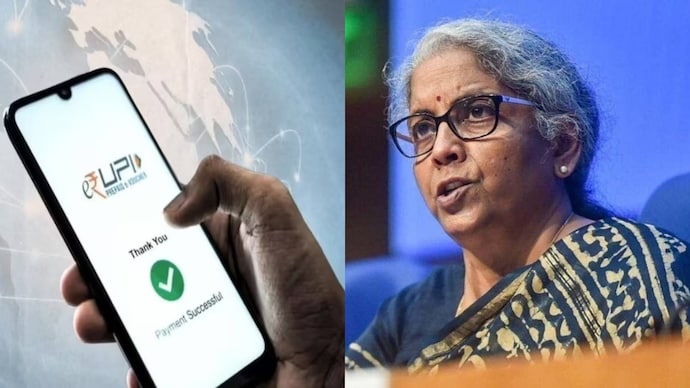
The Government of India may soon put a charge on UPI. Finance Minister Nirmala Sitharaman has introduced the Taxation and Other Laws (Amendment) Bill, 2026, which would allow the government to charge a fee for UPI transactions above Rs 2,000. This has sparked concerns as till now UPI has been a free service for users.
In an X post, Nirmala Sitharaman clarified the government’s stance, ensuring that if a fee is put in place for UPI, it would not impact end users. Her reply was in response to Congress leader Jairam Ramesh who alleged that the government may use this as an opportunity to charge fees on all types of digital payments in the future.
You see, the fee being proposed for UPI is called MDR or Merchant Discount Rate. Like the term suggests, it would be charged on merchants who use UPI, and not regular users.
1. Nirmala Sitharaman clarifies MDR fee for UPI
Responding to Ramesh on X, Sitharaman said he should refrain from “spreading a canard” about the proposed changes related to UPI transactions. She wrote that the “Merchant Discount Rate (MDR) applies only to merchants and not to end users/customers.”
That is, only merchants will be asked to pay such a fee if it is introduced, whereas regular users will remain unaffected.
2. Why is the government considering a fee on UPI?
The Finance Minister explained that charging MDR would “support the Banks & Fintech to invest more on infrastructure, innovation & security.” This, Nirmala Sitharaman says, will bring benefits to all UPI users.
You see, banks and fintech companies do not earn from processing UPI transactions. Hence, they argue that their ability to invest in technology, strengthen payment infrastructure and expand services is limited.
3. No decision on fees just yet
Sitharaman pointed out that the government had not decided if such a fee will be put in place. She wrote, "The UPI and Services Steering Committee headed by NPCI is yet to decide on the MDR.”
The Finance Minister explained that the decision will only “happen after the Parliament passes the Taxation and Other Laws (Amendment) Bill, 2026, which proposes to amend Section 10A of the Payment and Settlement Systems Act, 2007.”
4. What will be the MDR fee on UPI?
While the government has not given any details of what an MDR fee on UPI could look like, as per a report from Reuters, two proposals are said to be under consideration.
The first one is an MDR of 0.3 per cent to 0.5 per cent on UPI transactions above Rs 2,000 for merchants who have an annual turnover of more than Rs 1.5 crore.
Transactions above Rs 2,000 only over about 5 per cent of all UPI transactions but account for 65 per cent of the total transaction value.
The other proposal is to link the fee to a merchant’s annual turnover instead of the value of individual transactions. The government may also place a ceiling on the absolute amount charged.
5. Who will be most impacted by MDR?
It is expected that the MDR fee will likely only impact larger businesses rather than neighbourhood shops and small retailers, while consumers are unlikely to be charged directly.
That is, if you use UPI to pay bills, buy groceries, or book cab rides, you do not need to worry about it just yet.
To give you some context, merchants already pay charges on card payments. For credit cards, MDR is typically about 1.5 per cent and can be as high as 3 per cent in some cases, while debit card payments attract lower fees.
Keep in mind that the proposed amendment will only allow the government to bring such a fee to UPI if it chooses to do so.
The Government of India may soon put a charge on UPI. Finance Minister Nirmala Sitharaman has introduced the Taxation and Other Laws (Amendment) Bill, 2026, which would allow the government to charge a fee for UPI transactions above Rs 2,000. This has sparked concerns as till now UPI has been a free service for users.
In an X post, Nirmala Sitharaman clarified the government’s stance, ensuring that if a fee is put in place for UPI, it would not impact end users. Her reply was in response to Congress leader Jairam Ramesh who alleged that the government may use this as an opportunity to charge fees on all types of digital payments in the future.
You see, the fee being proposed for UPI is called MDR or Merchant Discount Rate. Like the term suggests, it would be charged on merchants who use UPI, and not regular users.
1. Nirmala Sitharaman clarifies MDR fee for UPI
Responding to Ramesh on X, Sitharaman said he should refrain from “spreading a canard” about the proposed changes related to UPI transactions. She wrote that the “Merchant Discount Rate (MDR) applies only to merchants and not to end users/customers.”
That is, only merchants will be asked to pay such a fee if it is introduced, whereas regular users will remain unaffected.
2. Why is the government considering a fee on UPI?
The Finance Minister explained that charging MDR would “support the Banks & Fintech to invest more on infrastructure, innovation & security.” This, Nirmala Sitharaman says, will bring benefits to all UPI users.
You see, banks and fintech companies do not earn from processing UPI transactions. Hence, they argue that their ability to invest in technology, strengthen payment infrastructure and expand services is limited.
3. No decision on fees just yet
Sitharaman pointed out that the government had not decided if such a fee will be put in place. She wrote, "The UPI and Services Steering Committee headed by NPCI is yet to decide on the MDR.”
The Finance Minister explained that the decision will only “happen after the Parliament passes the Taxation and Other Laws (Amendment) Bill, 2026, which proposes to amend Section 10A of the Payment and Settlement Systems Act, 2007.”
4. What will be the MDR fee on UPI?
While the government has not given any details of what an MDR fee on UPI could look like, as per a report from Reuters, two proposals are said to be under consideration.
The first one is an MDR of 0.3 per cent to 0.5 per cent on UPI transactions above Rs 2,000 for merchants who have an annual turnover of more than Rs 1.5 crore.
Transactions above Rs 2,000 only over about 5 per cent of all UPI transactions but account for 65 per cent of the total transaction value.
The other proposal is to link the fee to a merchant’s annual turnover instead of the value of individual transactions. The government may also place a ceiling on the absolute amount charged.
5. Who will be most impacted by MDR?
It is expected that the MDR fee will likely only impact larger businesses rather than neighbourhood shops and small retailers, while consumers are unlikely to be charged directly.
That is, if you use UPI to pay bills, buy groceries, or book cab rides, you do not need to worry about it just yet.
To give you some context, merchants already pay charges on card payments. For credit cards, MDR is typically about 1.5 per cent and can be as high as 3 per cent in some cases, while debit card payments attract lower fees.
Keep in mind that the proposed amendment will only allow the government to bring such a fee to UPI if it chooses to do so.
The Government of India may soon put a charge on UPI. Finance Minister Nirmala Sitharaman has introduced the Taxation and Other Laws (Amendment) Bill, 2026, which would allow the government to charge a fee for UPI transactions above Rs 2,000. This has sparked concerns as till now UPI has been a free service for users.
In an X post, Nirmala Sitharaman clarified the government’s stance, ensuring that if a fee is put in place for UPI, it would not impact end users. Her reply was in response to Congress leader Jairam Ramesh who alleged that the government may use this as an opportunity to charge fees on all types of digital payments in the future.
You see, the fee being proposed for UPI is called MDR or Merchant Discount Rate. Like the term suggests, it would be charged on merchants who use UPI, and not regular users.
1. Nirmala Sitharaman clarifies MDR fee for UPI
Responding to Ramesh on X, Sitharaman said he should refrain from “spreading a canard” about the proposed changes related to UPI transactions. She wrote that the “Merchant Discount Rate (MDR) applies only to merchants and not to end users/customers.”
That is, only merchants will be asked to pay such a fee if it is introduced, whereas regular users will remain unaffected.
2. Why is the government considering a fee on UPI?
The Finance Minister explained that charging MDR would “support the Banks & Fintech to invest more on infrastructure, innovation & security.” This, Nirmala Sitharaman says, will bring benefits to all UPI users.
You see, banks and fintech companies do not earn from processing UPI transactions. Hence, they argue that their ability to invest in technology, strengthen payment infrastructure and expand services is limited.
3. No decision on fees just yet
Sitharaman pointed out that the government had not decided if such a fee will be put in place. She wrote, "The UPI and Services Steering Committee headed by NPCI is yet to decide on the MDR.”
The Finance Minister explained that the decision will only “happen after the Parliament passes the Taxation and Other Laws (Amendment) Bill, 2026, which proposes to amend Section 10A of the Payment and Settlement Systems Act, 2007.”
4. What will be the MDR fee on UPI?
While the government has not given any details of what an MDR fee on UPI could look like, as per a report from Reuters, two proposals are said to be under consideration.
The first one is an MDR of 0.3 per cent to 0.5 per cent on UPI transactions above Rs 2,000 for merchants who have an annual turnover of more than Rs 1.5 crore.
Transactions above Rs 2,000 only over about 5 per cent of all UPI transactions but account for 65 per cent of the total transaction value.
The other proposal is to link the fee to a merchant’s annual turnover instead of the value of individual transactions. The government may also place a ceiling on the absolute amount charged.
5. Who will be most impacted by MDR?
It is expected that the MDR fee will likely only impact larger businesses rather than neighbourhood shops and small retailers, while consumers are unlikely to be charged directly.
That is, if you use UPI to pay bills, buy groceries, or book cab rides, you do not need to worry about it just yet.
To give you some context, merchants already pay charges on card payments. For credit cards, MDR is typically about 1.5 per cent and can be as high as 3 per cent in some cases, while debit card payments attract lower fees.
Keep in mind that the proposed amendment will only allow the government to bring such a fee to UPI if it chooses to do so.

