Talks with US continue through mediators, says Iran as pause in bombing holds
Iran has confirmed that indirect contacts with the US are continuing through mediators as both countries maintain a pause in attacks. The backchannel diplomacy comes amid fears that the current lull in fighting may prove only temporary.
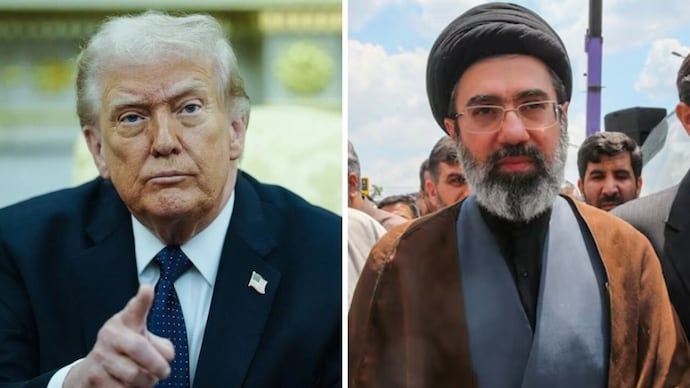
Iran said on Monday that indirect message exchanges with the United States are continuing through mediators, signalling that diplomatic channels remain active despite weeks of military confrontation. The comments came as both countries held off fresh attacks for a third straight day after President Donald Trump paused US airstrikes, raising cautious hopes that the conflict may not escalate further.
Foreign Ministry spokesperson Esmaeil Baghaei said messages were actively being passed between Tehran and Washington through intermediaries, while mediation efforts were also ongoing. His remarks came after senior officials on both sides indicated that the recent halt in attacks was aimed at creating space for diplomacy, although Tehran made it clear that it remains deeply sceptical about Washington's intentions.
In an interview with Austrian broadcaster ORF, Baghaei accused Washington of undermining diplomatic efforts despite Iran's commitments. He said Tehran had fulfilled its obligations under a Memorandum of Understanding to ensure safe passage through the Strait of Hormuz within 30 days, but alleged that the US launched fresh strikes before the deadline expired, citing shipping incidents as a pretext. Baghaei added that it was the third time in the past year that Iran's diplomatic efforts had been "betrayed" by attacks during negotiations.
The latest comments offer a glimpse into the quiet diplomatic efforts unfolding behind the scenes after nearly two weeks of intense fighting that brought the two longtime adversaries dangerously close to a wider regional war.
TRUMP PAUSES STRIKES TO CREATE ROOM FOR TALKS
The diplomatic efforts gathered momentum after President Donald Trump unexpectedly halted a two-week US bombing campaign against Iranian targets late on Friday. No new US strikes were reported over the weekend, marking the first break after nearly two weeks of nightly attacks.
US Ambassador to the United Nations Mike Waltz said Trump wanted to give diplomacy another opportunity before deciding on the next course of action.
"He's giving talks some space, he's giving it a little bit of room," Waltz told Fox News.
A senior Trump administration official also reiterated that the president remained committed to diplomacy while maintaining military pressure.
"He has always been clear that his preference is diplomacy, but he has shown Iran what will happen if they fail to come to the table in a serious way," the official said.
ADVISERS WARNED AGAINST FURTHER ESCALATION
US media reports indicate Trump's decision followed growing concerns inside his administration about the costs and limits of continuing the military campaign.
According to CNN and The New York Times, Chairman of the Joint Chiefs of Staff, General Dan Caine, warned that stocks of Patriot air defence interceptors had been significantly depleted after weeks of defending US forces and allies across the region.
Axios reported that CENTCOM commander Admiral Brad Cooper also advised ending the bombing campaign around the Strait of Hormuz, arguing that it had largely achieved its immediate objectives.
According to the report, Cooper told senior officials that most designated targets had already been struck and that continuing the same campaign would produce diminishing military returns unless Washington decided to launch a much broader offensive.
IRAN LINKS RESTRAINT TO US ACTIONS
This follows a weekend in which both Iran and the US refrained from launching fresh attacks. A senior Iranian official told Reuters that Tehran's military restraint depends entirely on Washington maintaining its own pause in airstrikes.
"Iran's position remains 'attack for attack': if the attacks stop, Iran will also halt its operations. That message has already been conveyed to the United States," the official said.
According to the source, Iran has responded to every round of US strikes during the latest conflict and sees the current lull as conditional rather than permanent.
The official, who spoke on condition of anonymity, cautioned that Tehran does not view the pause as a sign of a fundamental shift in US policy.
"There is more scepticism than optimism about the halt in attacks. The prevailing view is that the pause is tactical rather than genuine. Iran has accumulated enough bitter experience with what it sees as US deception," the source said.
UNCERTAINTY OVERSHADOWS THE PAUSE
Despite the lull in fighting, uncertainty continues to dominate both diplomatic calculations and daily life inside Iran.
Many Iranians remain unconvinced that the pause will last.
"They keep announcing pauses, and then the war starts again. Everyone in the country is stuck in limbo," Nader, a 49-year-old import-export businessman in Tehran, told Reuters.
"Trump is playing games with Iran. He neither ends the war and leaves the region nor strikes decisively. It's exhausting."
The conflict has already disrupted shipping routes, pushed oil prices sharply higher and heightened fears that the Strait of Hormuz could once again become the centre of a wider regional confrontation.
For now, indirect diplomacy continues alongside an uneasy pause in hostilities, with both Tehran and Washington appearing willing to test whether dialogue can hold longer than the guns remain silent.
Iran said on Monday that indirect message exchanges with the United States are continuing through mediators, signalling that diplomatic channels remain active despite weeks of military confrontation. The comments came as both countries held off fresh attacks for a third straight day after President Donald Trump paused US airstrikes, raising cautious hopes that the conflict may not escalate further.
Foreign Ministry spokesperson Esmaeil Baghaei said messages were actively being passed between Tehran and Washington through intermediaries, while mediation efforts were also ongoing. His remarks came after senior officials on both sides indicated that the recent halt in attacks was aimed at creating space for diplomacy, although Tehran made it clear that it remains deeply sceptical about Washington's intentions.
In an interview with Austrian broadcaster ORF, Baghaei accused Washington of undermining diplomatic efforts despite Iran's commitments. He said Tehran had fulfilled its obligations under a Memorandum of Understanding to ensure safe passage through the Strait of Hormuz within 30 days, but alleged that the US launched fresh strikes before the deadline expired, citing shipping incidents as a pretext. Baghaei added that it was the third time in the past year that Iran's diplomatic efforts had been "betrayed" by attacks during negotiations.
The latest comments offer a glimpse into the quiet diplomatic efforts unfolding behind the scenes after nearly two weeks of intense fighting that brought the two longtime adversaries dangerously close to a wider regional war.
TRUMP PAUSES STRIKES TO CREATE ROOM FOR TALKS
The diplomatic efforts gathered momentum after President Donald Trump unexpectedly halted a two-week US bombing campaign against Iranian targets late on Friday. No new US strikes were reported over the weekend, marking the first break after nearly two weeks of nightly attacks.
US Ambassador to the United Nations Mike Waltz said Trump wanted to give diplomacy another opportunity before deciding on the next course of action.
"He's giving talks some space, he's giving it a little bit of room," Waltz told Fox News.
A senior Trump administration official also reiterated that the president remained committed to diplomacy while maintaining military pressure.
"He has always been clear that his preference is diplomacy, but he has shown Iran what will happen if they fail to come to the table in a serious way," the official said.
ADVISERS WARNED AGAINST FURTHER ESCALATION
US media reports indicate Trump's decision followed growing concerns inside his administration about the costs and limits of continuing the military campaign.
According to CNN and The New York Times, Chairman of the Joint Chiefs of Staff, General Dan Caine, warned that stocks of Patriot air defence interceptors had been significantly depleted after weeks of defending US forces and allies across the region.
Axios reported that CENTCOM commander Admiral Brad Cooper also advised ending the bombing campaign around the Strait of Hormuz, arguing that it had largely achieved its immediate objectives.
According to the report, Cooper told senior officials that most designated targets had already been struck and that continuing the same campaign would produce diminishing military returns unless Washington decided to launch a much broader offensive.
IRAN LINKS RESTRAINT TO US ACTIONS
This follows a weekend in which both Iran and the US refrained from launching fresh attacks. A senior Iranian official told Reuters that Tehran's military restraint depends entirely on Washington maintaining its own pause in airstrikes.
"Iran's position remains 'attack for attack': if the attacks stop, Iran will also halt its operations. That message has already been conveyed to the United States," the official said.
According to the source, Iran has responded to every round of US strikes during the latest conflict and sees the current lull as conditional rather than permanent.
The official, who spoke on condition of anonymity, cautioned that Tehran does not view the pause as a sign of a fundamental shift in US policy.
"There is more scepticism than optimism about the halt in attacks. The prevailing view is that the pause is tactical rather than genuine. Iran has accumulated enough bitter experience with what it sees as US deception," the source said.
UNCERTAINTY OVERSHADOWS THE PAUSE
Despite the lull in fighting, uncertainty continues to dominate both diplomatic calculations and daily life inside Iran.
Many Iranians remain unconvinced that the pause will last.
"They keep announcing pauses, and then the war starts again. Everyone in the country is stuck in limbo," Nader, a 49-year-old import-export businessman in Tehran, told Reuters.
"Trump is playing games with Iran. He neither ends the war and leaves the region nor strikes decisively. It's exhausting."
The conflict has already disrupted shipping routes, pushed oil prices sharply higher and heightened fears that the Strait of Hormuz could once again become the centre of a wider regional confrontation.
For now, indirect diplomacy continues alongside an uneasy pause in hostilities, with both Tehran and Washington appearing willing to test whether dialogue can hold longer than the guns remain silent.
Iran said on Monday that indirect message exchanges with the United States are continuing through mediators, signalling that diplomatic channels remain active despite weeks of military confrontation. The comments came as both countries held off fresh attacks for a third straight day after President Donald Trump paused US airstrikes, raising cautious hopes that the conflict may not escalate further.
Foreign Ministry spokesperson Esmaeil Baghaei said messages were actively being passed between Tehran and Washington through intermediaries, while mediation efforts were also ongoing. His remarks came after senior officials on both sides indicated that the recent halt in attacks was aimed at creating space for diplomacy, although Tehran made it clear that it remains deeply sceptical about Washington's intentions.
In an interview with Austrian broadcaster ORF, Baghaei accused Washington of undermining diplomatic efforts despite Iran's commitments. He said Tehran had fulfilled its obligations under a Memorandum of Understanding to ensure safe passage through the Strait of Hormuz within 30 days, but alleged that the US launched fresh strikes before the deadline expired, citing shipping incidents as a pretext. Baghaei added that it was the third time in the past year that Iran's diplomatic efforts had been "betrayed" by attacks during negotiations.
The latest comments offer a glimpse into the quiet diplomatic efforts unfolding behind the scenes after nearly two weeks of intense fighting that brought the two longtime adversaries dangerously close to a wider regional war.
TRUMP PAUSES STRIKES TO CREATE ROOM FOR TALKS
The diplomatic efforts gathered momentum after President Donald Trump unexpectedly halted a two-week US bombing campaign against Iranian targets late on Friday. No new US strikes were reported over the weekend, marking the first break after nearly two weeks of nightly attacks.
US Ambassador to the United Nations Mike Waltz said Trump wanted to give diplomacy another opportunity before deciding on the next course of action.
"He's giving talks some space, he's giving it a little bit of room," Waltz told Fox News.
A senior Trump administration official also reiterated that the president remained committed to diplomacy while maintaining military pressure.
"He has always been clear that his preference is diplomacy, but he has shown Iran what will happen if they fail to come to the table in a serious way," the official said.
ADVISERS WARNED AGAINST FURTHER ESCALATION
US media reports indicate Trump's decision followed growing concerns inside his administration about the costs and limits of continuing the military campaign.
According to CNN and The New York Times, Chairman of the Joint Chiefs of Staff, General Dan Caine, warned that stocks of Patriot air defence interceptors had been significantly depleted after weeks of defending US forces and allies across the region.
Axios reported that CENTCOM commander Admiral Brad Cooper also advised ending the bombing campaign around the Strait of Hormuz, arguing that it had largely achieved its immediate objectives.
According to the report, Cooper told senior officials that most designated targets had already been struck and that continuing the same campaign would produce diminishing military returns unless Washington decided to launch a much broader offensive.
IRAN LINKS RESTRAINT TO US ACTIONS
This follows a weekend in which both Iran and the US refrained from launching fresh attacks. A senior Iranian official told Reuters that Tehran's military restraint depends entirely on Washington maintaining its own pause in airstrikes.
"Iran's position remains 'attack for attack': if the attacks stop, Iran will also halt its operations. That message has already been conveyed to the United States," the official said.
According to the source, Iran has responded to every round of US strikes during the latest conflict and sees the current lull as conditional rather than permanent.
The official, who spoke on condition of anonymity, cautioned that Tehran does not view the pause as a sign of a fundamental shift in US policy.
"There is more scepticism than optimism about the halt in attacks. The prevailing view is that the pause is tactical rather than genuine. Iran has accumulated enough bitter experience with what it sees as US deception," the source said.
UNCERTAINTY OVERSHADOWS THE PAUSE
Despite the lull in fighting, uncertainty continues to dominate both diplomatic calculations and daily life inside Iran.
Many Iranians remain unconvinced that the pause will last.
"They keep announcing pauses, and then the war starts again. Everyone in the country is stuck in limbo," Nader, a 49-year-old import-export businessman in Tehran, told Reuters.
"Trump is playing games with Iran. He neither ends the war and leaves the region nor strikes decisively. It's exhausting."
The conflict has already disrupted shipping routes, pushed oil prices sharply higher and heightened fears that the Strait of Hormuz could once again become the centre of a wider regional confrontation.
For now, indirect diplomacy continues alongside an uneasy pause in hostilities, with both Tehran and Washington appearing willing to test whether dialogue can hold longer than the guns remain silent.

