Unpredictable, dangerous: US warns against travel to Ceuta amid migrant surge
The advisory applies only to Ceuta, which shares a land border with Morocco. The rest of Spain remains under its existing travel advisory level.
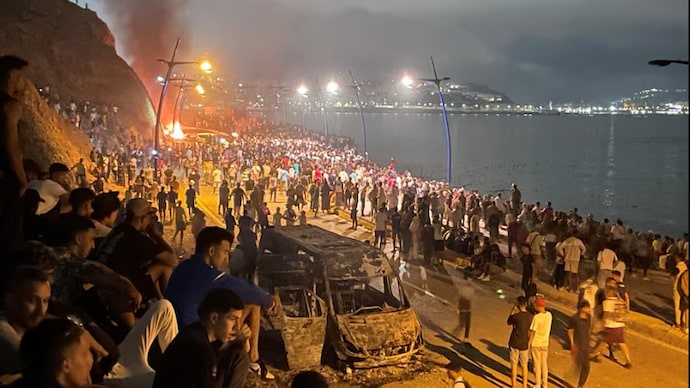
The US Department of State on Sunday raised its travel advisory for Spain's North African enclave of Ceuta to Level 3, nearly two days after around 60,000 migrants crossed into the territory from Morocco in one of the largest mass-migration episodes witnessed in the region in recent years.
Warning US citizens against travelling to Ceuta, the State Department cited the deteriorating security situation and urged Americans to "Reconsider travel due to unrest."
"The massive and uncontrolled arrival of migrants from Morocco to Ceuta may lead to unpredictable and dangerous security situations. Spain has deployed the Spanish military, Spanish National Police, and Guardia Civil as a result of this serious situation," the advisory said.
The advisory applies only to Ceuta, which shares a land border with Morocco. The rest of Spain remains under its existing travel advisory level.
The development came as Dylan Johnson, the US Assistant Secretary of State, criticised Spain's centre-left coalition government for what he described as its failure to secure the country's borders.
Speaking to Fox News Digital, Johnson said, "This invasion is the direct result of the Spanish government's refusal to secure its borders and defend its people — and now threatens the security of Europe."
WHAT HAPPENED IN CEUTA?
Nearly 60,000 migrants crossed into the Spanish enclave on Friday by swimming across the maritime border and climbing border fences, overwhelming local authorities and triggering a major security response.
According to accounts from migrants reported by The New York Times and the Financial Times, social media played a key role in mobilising people for the crossing. Many migrants also spent weeks preparing for the sea journey.
The mass movement was also driven by dwindling job opportunities in Morocco and uncertainty over whether migrants arriving by sea could be immediately deported following a recent Spanish Supreme Court ruling. Reports also suggested that Moroccan authorities did little to prevent people from heading towards Ceuta.
The surge left dozens of migrants dead while thousands more were intercepted or repatriated by Spanish authorities.
In response, Prime Minister Pedro Snchez said Spain would reinforce security in Ceuta, deploy a physical sea barrier to facilitate migrant repatriations and continue coordinating with Moroccan authorities to dismantle human trafficking networks, according to Fox News Digital.
The sudden influx has not only overwhelmed Ceuta but also reignited the immigration debate across Europe, where migration has remained a major political issue amid the rise of several right-wing parties.
Many commentators have also linked the crisis to the recent Spanish Supreme Court ruling, which held that migrants arriving by sea cannot be deported without due process. The ruling has fuelled debate over whether it inadvertently encouraged more migrants to attempt the dangerous crossing.
The US Department of State on Sunday raised its travel advisory for Spain's North African enclave of Ceuta to Level 3, nearly two days after around 60,000 migrants crossed into the territory from Morocco in one of the largest mass-migration episodes witnessed in the region in recent years.
Warning US citizens against travelling to Ceuta, the State Department cited the deteriorating security situation and urged Americans to "Reconsider travel due to unrest."
"The massive and uncontrolled arrival of migrants from Morocco to Ceuta may lead to unpredictable and dangerous security situations. Spain has deployed the Spanish military, Spanish National Police, and Guardia Civil as a result of this serious situation," the advisory said.
The advisory applies only to Ceuta, which shares a land border with Morocco. The rest of Spain remains under its existing travel advisory level.
The development came as Dylan Johnson, the US Assistant Secretary of State, criticised Spain's centre-left coalition government for what he described as its failure to secure the country's borders.
Speaking to Fox News Digital, Johnson said, "This invasion is the direct result of the Spanish government's refusal to secure its borders and defend its people — and now threatens the security of Europe."
WHAT HAPPENED IN CEUTA?
Nearly 60,000 migrants crossed into the Spanish enclave on Friday by swimming across the maritime border and climbing border fences, overwhelming local authorities and triggering a major security response.
According to accounts from migrants reported by The New York Times and the Financial Times, social media played a key role in mobilising people for the crossing. Many migrants also spent weeks preparing for the sea journey.
The mass movement was also driven by dwindling job opportunities in Morocco and uncertainty over whether migrants arriving by sea could be immediately deported following a recent Spanish Supreme Court ruling. Reports also suggested that Moroccan authorities did little to prevent people from heading towards Ceuta.
The surge left dozens of migrants dead while thousands more were intercepted or repatriated by Spanish authorities.
In response, Prime Minister Pedro Snchez said Spain would reinforce security in Ceuta, deploy a physical sea barrier to facilitate migrant repatriations and continue coordinating with Moroccan authorities to dismantle human trafficking networks, according to Fox News Digital.
The sudden influx has not only overwhelmed Ceuta but also reignited the immigration debate across Europe, where migration has remained a major political issue amid the rise of several right-wing parties.
Many commentators have also linked the crisis to the recent Spanish Supreme Court ruling, which held that migrants arriving by sea cannot be deported without due process. The ruling has fuelled debate over whether it inadvertently encouraged more migrants to attempt the dangerous crossing.
The US Department of State on Sunday raised its travel advisory for Spain's North African enclave of Ceuta to Level 3, nearly two days after around 60,000 migrants crossed into the territory from Morocco in one of the largest mass-migration episodes witnessed in the region in recent years.
Warning US citizens against travelling to Ceuta, the State Department cited the deteriorating security situation and urged Americans to "Reconsider travel due to unrest."
"The massive and uncontrolled arrival of migrants from Morocco to Ceuta may lead to unpredictable and dangerous security situations. Spain has deployed the Spanish military, Spanish National Police, and Guardia Civil as a result of this serious situation," the advisory said.
The advisory applies only to Ceuta, which shares a land border with Morocco. The rest of Spain remains under its existing travel advisory level.
The development came as Dylan Johnson, the US Assistant Secretary of State, criticised Spain's centre-left coalition government for what he described as its failure to secure the country's borders.
Speaking to Fox News Digital, Johnson said, "This invasion is the direct result of the Spanish government's refusal to secure its borders and defend its people — and now threatens the security of Europe."
WHAT HAPPENED IN CEUTA?
Nearly 60,000 migrants crossed into the Spanish enclave on Friday by swimming across the maritime border and climbing border fences, overwhelming local authorities and triggering a major security response.
According to accounts from migrants reported by The New York Times and the Financial Times, social media played a key role in mobilising people for the crossing. Many migrants also spent weeks preparing for the sea journey.
The mass movement was also driven by dwindling job opportunities in Morocco and uncertainty over whether migrants arriving by sea could be immediately deported following a recent Spanish Supreme Court ruling. Reports also suggested that Moroccan authorities did little to prevent people from heading towards Ceuta.
The surge left dozens of migrants dead while thousands more were intercepted or repatriated by Spanish authorities.
In response, Prime Minister Pedro Snchez said Spain would reinforce security in Ceuta, deploy a physical sea barrier to facilitate migrant repatriations and continue coordinating with Moroccan authorities to dismantle human trafficking networks, according to Fox News Digital.
The sudden influx has not only overwhelmed Ceuta but also reignited the immigration debate across Europe, where migration has remained a major political issue amid the rise of several right-wing parties.
Many commentators have also linked the crisis to the recent Spanish Supreme Court ruling, which held that migrants arriving by sea cannot be deported without due process. The ruling has fuelled debate over whether it inadvertently encouraged more migrants to attempt the dangerous crossing.

