
NSE's long wait ends: Exchange files IPO papers, joins Jio in mega listing race
The National Stock Exchange (NSE) has filed draft IPO papers after a delay stretching back to 2016. The move brings one of India's biggest listings closer as the primary market regains momentum.
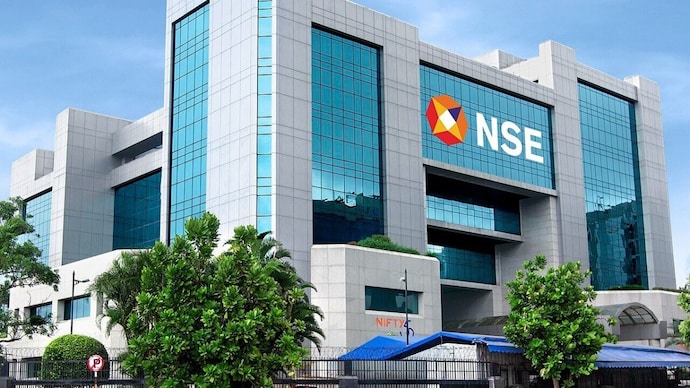

India's IPO market appears to be gearing up for action. Just days after reports suggested Reliance Jio could file draft papers for its much-awaited public issue, the National Stock Exchange (NSE) has taken a major step towards what could become another blockbuster listing.
NSE, India's largest stock exchange and the world's most active derivatives exchange, on Wednesday filed draft papers for its initial public offering (IPO), ending years of uncertainty around a listing that has been in the works since 2016.
The proposed share sale is expected to be one of India's biggest IPOs alongside Mukesh Ambani-led Reliance Jio's planned public offering.
NSE IPO: A DECADE-LONG WAIT MAY FINALLY END
The NSE first submitted IPO papers to the Securities and Exchange Board of India (Sebi) in 2016. However, the process was stalled due to regulatory issues and legal proceedings involving the exchange.
While rival BSE went public in 2017, NSE's listing ambitions remained stuck for nearly a decade.
The breakthrough came earlier this year when Sebi granted regulatory approval to NSE to proceed with the IPO. The market regulator had previously imposed a penalty on the exchange in 2019 over allegations related to equitable access for trading members.
According to the draft offer documents, NSE has since applied to settle the matter and proposed paying a fine of around $158 million.
With draft papers now filed, the IPO process has formally begun. However, the actual public issue is likely to take at least three to four months after receiving the necessary regulatory clearances.
HOW BIG COULD THE NSE IPO BE?
The listing could rank among the largest in India's capital market history.
Based on trading activity in the unlisted market, NSE is currently estimated to be worth around $55 billion. That valuation would place it among India's 10 most valuable listed companies and close to the London Stock Exchange Group's valuation of around $58 billion.
The IPO will involve the sale of 148.9 million equity shares, representing around 6% of the exchange's total shareholding, according to the draft papers.
Unlike a fresh issue where a company raises money by issuing new shares, the NSE IPO will be an offer for sale (OFS), with existing shareholders selling part of their stake.
WHO IS SELLING SHARES?
Several large domestic and global institutions are expected to pare their holdings through the IPO.
Among the domestic shareholders looking to sell shares are State Bank of India, Bank of Baroda and state-owned insurance companies.
International investors including Singapore's Temasek and the Canada Pension Plan Investment Board are also among the shareholders participating in the offer.
NSE is already one of India's most widely held unlisted companies with more than 2 lakh shareholders.
The exchange's draft papers show it had 200,909 shareholders as of the filing date.
WHY NSE IS DIFFERENT FROM GLOBAL EXCHANGES
One of the most interesting aspects of NSE's business is its huge retail investor base.
India now has around 257 million investor accounts and 130 million unique investors, making NSE far more retail-driven than many global peers.
Exchanges such as Nasdaq, CME Group and the New York Stock Exchange primarily operate through institutional trading ecosystems, where individual investors usually access markets through large brokers and investment firms.
NSE's growth has been powered by the rapid rise of retail investing in India over the past decade.
The exchange is also the world's largest derivatives exchange by trading activity, highlighting India's growing importance in global capital markets.
NSE'S FINANCIAL PERFORMANCE
The exchange's financial performance has remained strong.
For the financial year ended March 2026, NSE reported total income of Rs 18,700 crore and a net profit of Rs 10,302 crore.
That translates into a net profit margin of about 53%, underlining the highly profitable nature of the exchange business.
Transaction charges remain the biggest revenue driver, contributing around 82% of the exchange's total income.
The NSE IPO comes at a time when India's primary market is showing signs of life again.
After months of uncertainty linked to global market volatility and geopolitical tensions, investors are now looking ahead to a pipeline of large public offerings.
Reliance Jio's expected IPO and NSE's proposed listing could together dominate India's IPO market over the coming year.
For investors, the NSE IPO offers something unusual — a chance to own a stake in the exchange where millions of Indians buy and sell shares every day.
And after waiting nearly a decade for regulatory hurdles to clear, NSE may finally be preparing to ring the opening bell for itself.