
India-EU FTA: BMW, Mercedes and other European cars may get cheaper

Under the draft India-EU FTA, released by Brussels, the European Union has secured preferential access for 100,000 completely built-up internal-combustion engine and non-plug-in hybrid cars in the first year.
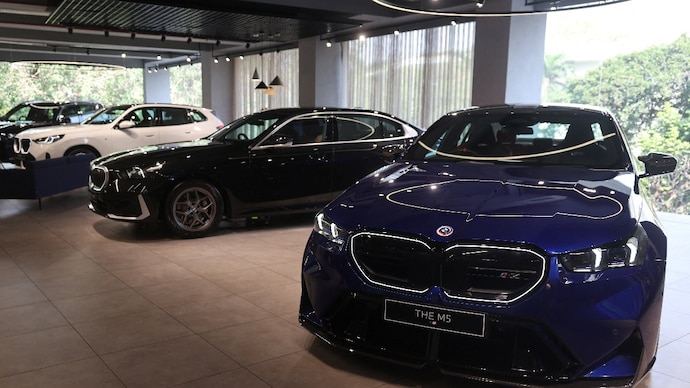

India and the European Union’s proposed free trade agreement could make European cars more affordable in India by sharply reducing import duties and allowing more vehicles to enter the country at preferential tariffs.
The draft deal allows a tariff-rate quota of 100,000 completely built-up cars from the EU in the first year. That is nearly six times the 17,191 cars India imported from the EU in 2025, reported Indian Express.
The quota will gradually increase to 160,000 cars by the 10th year of the agreement. However, the lower tariffs will apply only to vehicles that meet specific price and quota conditions.
EU GETS LOWER TARIFFS ON CARS
Under the draft India-EU FTA, released by Brussels, the European Union has secured preferential access for 100,000 completely built-up internal-combustion engine and non-plug-in hybrid cars in the first year.
The concession is not available for all vehicles. Cars priced below 15,000 euros will not receive any tariff reduction, protecting Indian carmakers from competition from cheaper European models.
For cars priced between 15,000 euros and 35,000 euros, India's import duty will fall from 110% to 35% in the first year. It will then be reduced gradually to 10% by the fifth year.
For cars priced above 35,000 euros, the tariff will come down from 66% to 30% in the first year and eventually to 10% by the fifth year.
From the fifth year, 43,000 cars priced above 50,000 euros will be covered by the quota.
The combination of lower tariffs and a larger quota could give European luxury carmakers more room to bring additional models to India and potentially lower prices on some imported vehicles.
However, the reduction in import duty does not automatically translate into an equivalent fall in showroom prices. How much of the tariff benefit is passed on to buyers will depend on individual automakers, their pricing strategies and other costs.
WHAT IT MEANS FOR CAR BUYERS
The biggest potential change for Indian buyers is that some European cars could become significantly cheaper to import.
Brands such as BMW, Mercedes-Benz, Audi and other European automakers currently face high import duties on completely built-up vehicles. Lower tariffs could allow them to price some models more competitively, particularly those that qualify for the preferential quota.
But the impact is unlikely to be uniform across the market. The FTA does not cover cars below 15,000 euros, while the number of vehicles eligible for the lower tariffs will also be limited by the quota.
This means the agreement could create more choice and pricing flexibility in the premium and luxury car market, rather than triggering a broad-based fall in car prices across India.
EV CONCESSIONS TO START LATER
The proposed agreement also provides tariff concessions for electric vehicles, plug-in hybrids and cars using other technologies. However, these concessions will begin only from the fifth year.
The concessions will apply only to vehicles priced at 20,000 euros or more. The quota for completely built-up EVs and other eligible vehicles will start at 20,000 cars in the fifth year, rise to 50,000 by the 10th year and reach 90,000 from the 14th year onwards.
Cars priced below 20,000 euros will not receive any tariff concession.
This means the immediate impact of the agreement is likely to be greater on imported petrol, diesel and non-plug-in hybrid vehicles, while the benefits for imported EVs will come later.
EU DEAL COULD ALSO HELP INDIAN STEEL EXPORTERS
The FTA is not limited to automobiles. The draft agreement also gives India a 1.64 million tonne steel export quota to the EU across 16 categories, including specialised products such as metallic-coated sheets and stainless hot-rolled quarto plates.
The quota is split into two parts. The FTA component accounts for 0.69 million tonnes and is assured for India, while another 0.95 million tonnes comes under the most-favoured-nation quota, where Indian exporters will compete with suppliers from other countries.
India currently exports around 4 million tonnes of steel to the EU.
The new quotas come against the backdrop of the EU’s Steel Overcapacity Regulation, which took effect on July 1. The regulation provides duty-free quotas of 18.3 million tonnes, with a 50% duty on imports above the quota.
An ICRIER note said India could strengthen its position in the European market by moving towards higher-value-added steel products. This could also help reduce the impact of the EU’s Carbon Border Adjustment Mechanism (CBAM).
The note called for industrial policies combining Production Linked Incentives with dedicated research and development funding, along with financial and technical support to help smaller businesses manage the higher compliance burden.
WHEN WILL THE INDIA-EU FTA TAKE EFFECT?
The agreement is not yet in force. The European Commission has forwarded its proposal for concluding the India-EU FTA to the European Council, a step towards the agreement's formal conclusion and signing.
The EU has described the proposed deal as potentially the largest trade agreement concluded between the two sides.
For Indian consumers, however, one of the most visible effects could eventually be in the premium car market, where lower import duties and larger quotas could give European automakers more room to compete on price.