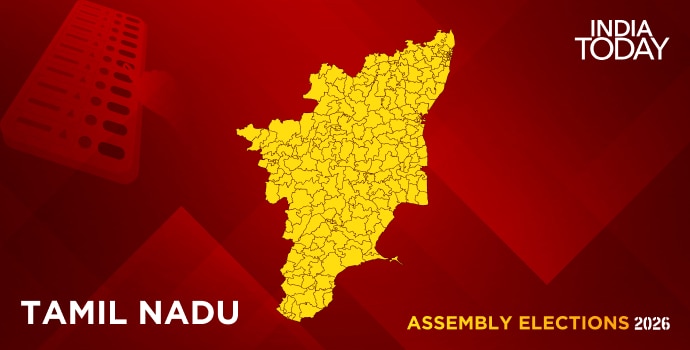
Ambur (Constituency No. 48) is a key urban–industrial Assembly seat in Tamil Nadu, globally recognized for leather, footwear, and export manufacturing. Located in Tirupattur district along the Chennai–Bengaluru corridor, its politics are shaped by minority consolidation, organised labour, MSME exporters, and environmental stress.
Ambur is primarily famous for its massive leather industry (tanneries and exports) and its signature Ambur Biryani, a unique style of biryani cooked with Seeraga Samba rice and dum technique. It is also known for the sweet Makkan Peda.
Political & Social Character:
The electorate includes a large Muslim trading community, leather and footwear workers, exporters, MSME owners, Dalit and OBC neighbourhoods, and migrant labour. Influence rests with mosque committees, trade bodies, labour unions, and ward-level leaders. Voting is community-aligned with strong booth mobilisation.
Geography & Connectivity:
Ambur sits on NH-44 with strong rail links and integration with nearby industrial zones. However, heavy industrial traffic strains roads, while drainage gaps, waste management, and water contamination remain chronic issues.
Hotspots:
Key spots include the scenic Mordhana Dam, the panoramic Kurumalai Mountain View Point.
Core Issues:
Pollution and health impacts, groundwater safety, job security, flooding, overcrowded housing, sanitation stress, and limited public healthcare dominate voter concerns. Health and environment are decisive electoral factors.
Voter Mood:
Ambur is an industrial–urban, minority-influenced seat with strong labour–trader alignment and narrow victory margins. Exporters seek policy stability, workers demand job and health security, families prioritise dignity and civic harmony, women focus on water and healthcare, and youth want skills beyond leather. Voters favour stable, problem-solving leadership.