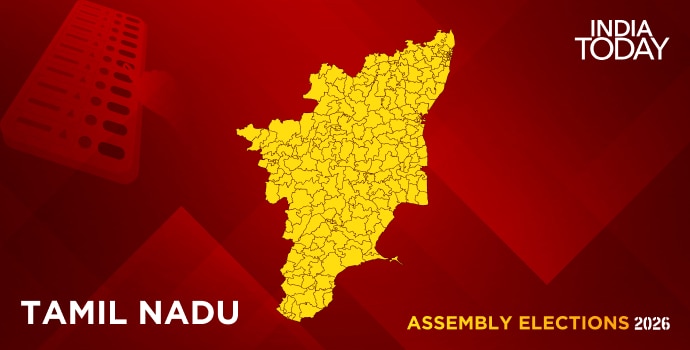
Tiruttani is a temple-centric, Assembly Constituency No. 3, semi-rural, on Tamil Nadu’s northern border with Andhra Pradesh. Home to the Thiruthani Murugan Temple, one of the Arupadai Veedu (Six Abodes of Lord Murugan), the constituency’s identity, economy, and politics are deeply shaped by pilgrimage activity. The town is also historically significant as the birthplace of Dr. Sarvepalli Radhakrishnan, India’s first Vice President and former President.
The constituency combines religious tourism, dryland agriculture, and small-town commerce, with political discourse centred on temple management, water security, basic infrastructure, and welfare delivery.
Political & Social Profile:
The electorate is largely rural and semi-urban, comprising farmers, agricultural labourers, temple-linked workers, traders, transport operators, and welfare beneficiaries. Caste networks, village leadership, and MLA accessibility continue to influence voting behaviour, alongside effective delivery of government schemes. Temple committees and local associations play a key role in mobilisation.
Geography & Connectivity:
Marked by rocky terrain, temple hills, and scattered villages, Tiruttani town serves as the administrative hub. Road links connect Tiruvallur, Arakkonam, and nearby Andhra Pradesh towns, though interior village roads and public transport remain weak, and seasonal water scarcity persists.
Core Issues:
- Drinking water scarcity and groundwater depletion
- Irregular irrigation and tank maintenance
- Poor interior road connectivity
- Limited government healthcare facilities
- Sanitation, traffic, and safety during festival seasons
- Youth migration due to lack of local jobs
Voter Mood:
- Farmers: irrigation stability and water security
- Temple workers & traders: tourism infrastructure and crowd control
- Rural households: roads, drinking water, welfare continuity
- Youth: local jobs, skill training, education access
- Elderly devotees: healthcare and transport facilities
Voters favour leaders who show visible presence, respect for religious institutions, effective festival management, and consistent delivery of basic services, making Tiruttani a highly localised, relationship-driven constituency.