
Can smog damage your lungs without causing a cough?

A pulmonologist has warned that prolonged exposure to polluted air can quietly damage the lungs. The effects may emerge over years as impaired function, chronic disease or cancer risk.
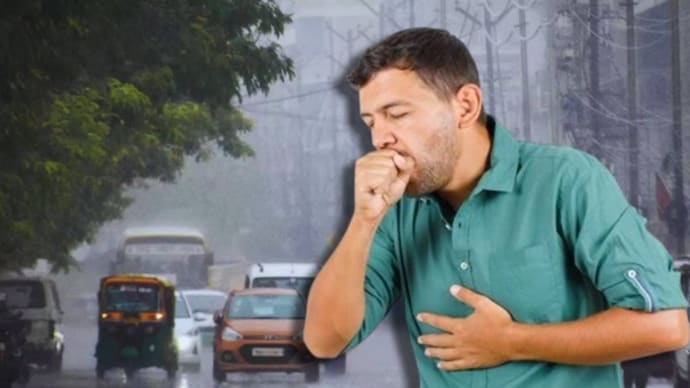
 Last UpdatedNov 28, 2026 08:30 IST
 Published by
Prolonged exposure to PM2.5 and PM10 can cause inflammation, irreversible lung damage and increase the risk of COPD, asthma and even lung cancer, says a pulmonologist.
You may not be coughing, wheezing or experiencing breathlessness, but that does not necessarily mean your lungs are healthy. Prolonged exposure to air pollution can silently affect lung function, with damage potentially going unnoticed until it becomes significant.
With air quality deteriorating across several parts of the country, concerns about the long-term effects of polluted air on respiratory health are growing. While coughing, throat irritation and breathlessness are commonly associated with poor air quality, the effects of pollution can extend much deeper into the lungs.
According to Dr Ashok Kumar Singh, Director of Pulmonary and Critical Care at Regency Health, Kanpur, the lungs can compensate for early injuries because of their reserve capacity. This means a person may experience a gradual decline in lung function without noticing any obvious symptoms.
HOW DOES AIR POLLUTION DAMAGE THE LUNGS?
Pollutants such as PM2.5, nitrogen dioxide and ozone can irritate the bronchial tubes, increase oxidative stress and weaken the lungs' natural defence mechanisms.
Dr Singh explains that the absence of coughing or breathing difficulties does not necessarily indicate healthy lungs. The gradual deterioration of lung function may remain unnoticed until the damage becomes significant.
Fine particulate matter is particularly concerning because of how deeply it can penetrate the respiratory system.
CAN PM2.5 AND PM10 CAUSE PERMANENT LUNG DAMAGE?
Yes. PM2.5 particles are small enough to reach the alveoli, the tiny air sacs where oxygen exchange takes place. PM10 particles, on the other hand, predominantly affect the upper respiratory airways.
According to Dr Singh, repeated exposure to these pollutants can trigger prolonged inflammation and damage the cells lining the airways. Over time, severe injury can lead to the formation of scar tissue.
While some inflammation may subside when exposure to pollution decreases, lung tissue affected by scarring may not return to its original state.
The concern is not limited to a few days of exposure. The cumulative impact of breathing polluted air over several years can have lasting consequences for respiratory health.
WHAT HAPPENS TO LUNG FUNCTION OVER MONTHS AND YEARS?
The effects of air pollution can build up gradually.
According to Dr Singh, exposure over several months can cause:
- Inflammation in the airways.
- Excess mucus production.
- Increased sensitivity to environmental irritants.
- A gradual decline in lung function.
Children and older adults may be particularly vulnerable. In children, prolonged exposure can interfere with normal lung development and affect the maximum lung capacity they achieve later in life.
In older adults, pollution can further worsen respiratory function that may already be declining with age.
CAN AIR POLLUTION INCREASE THE RISK OF COPD AND ASTHMA?
Long-term exposure to particulate matter and other pollutants can contribute to chronic airway inflammation, increasing the risk of respiratory conditions such as chronic obstructive pulmonary disease (COPD) and asthma.
In COPD, repeated exposure can damage the airways and lung tissue, eventually causing airway narrowing.
In people with asthma, pollutants can increase airway sensitivity, trigger inflammation and cause recurrent attacks.
Children exposed to polluted air may also face a higher risk of developing asthma.
Importantly, these risks are not restricted to smokers. People who have never smoked can also develop chronic respiratory conditions following prolonged exposure to polluted air, including occupational exposure.
CAN AIR POLLUTION CAUSE LUNG CANCER IN NON-SMOKERS?
Air pollution is also a recognised lung cancer risk factor.
The International Agency for Research on Cancer (IARC) has classified outdoor air pollution and particulate matter as carcinogenic to humans.
Dr Singh explains that tiny particles can penetrate deep into the lungs and contribute to oxidative stress, chronic inflammation and DNA damage in lung cells. Over time, these processes can increase the risk of cancer.
While smoking remains a major risk factor for lung cancer, exposure to polluted air is an independent concern. This means even people who have never smoked are not entirely free from pollution-related lung cancer risks.
Not experiencing a cough or breathlessness does not mean your lungs are unaffected by air pollution. Its impact can accumulate silently over months and years, affecting lung function and potentially increasing the risk of chronic respiratory diseases.
Reducing exposure to polluted air, following local air quality advisories and seeking medical evaluation if respiratory symptoms develop are important steps towards protecting lung health.

I’m a gym freak and fitness lover with a serious love for food and travel. I'm an extrovert at heart, responsible, caring, and sensitive. Whether lifting weights or lifting moods, I bring energy, empathy, and enthusiasm wherever I go.
Anchoring and journalism are my true callings -- I love being in front of the camera and behind the pen. Writing about skincare and makeup hacks is my happy place, where I blend creativity with expertise to share tips that truly work and keep beauty fun and relatable.
READ MORE