
What is Dr Nene-approved 'doorway decompression technique' for heart health?
Dr Shriram Nene has shared a one-minute doorway breathing ritual to help people leave work stress outside the home. He said the pause may support better sleep, calmer evenings and healthier interactions.
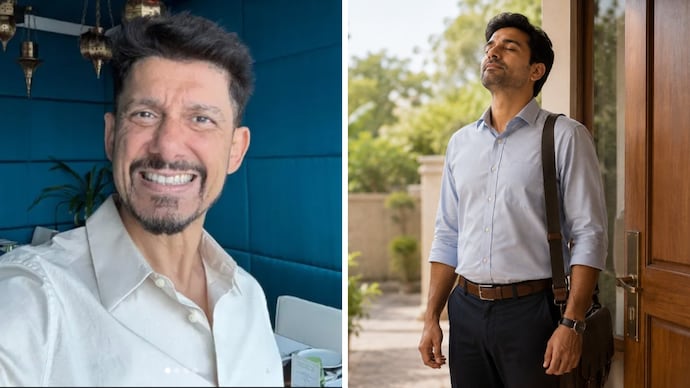

After a long day of meetings, deadlines and endless notifications, many people walk through their front door carrying more than just a laptop bag. They bring home stress.
According to Dr. Shriram Nene, cardiovascular surgeon and health advocate, a simple one-minute ritual before entering the house could help create a mental boundary between work and personal life.
In a recent post on X, Dr. Nene shared what he calls the "doorway decompression technique" — a brief breathing exercise designed to help the body transition from a state of stress to one of rest and recovery.
"Before you step into your evening, take one small pause. The way you transition from stress to rest can shape your mood, your sleep, and the energy you bring to the people you love," he wrote.
The technique is simple: before entering the home after a stressful day, pause at the door and take six slow breaths. Inhale through the nose for four counts and exhale for six counts. Repeat six times before stepping inside.
WHY CHRONIC STRESS IS HARMFUL
The exercise works because it taps into the body's natural relaxation response.
When a person experiences stress, the sympathetic nervous system, referred to as the "fight-or-flight" system, becomes activated. Heart rate rises, blood pressure increases and stress hormones such as cortisol and adrenaline surge through the body.
While this response is useful in emergencies, problems arise when it remains switched on for prolonged periods.
Chronic stress has been linked to an increased risk of high blood pressure, heart disease, sleep disturbances, anxiety, depression and weakened immunity. It can also contribute to inflammation throughout the body.
Cardiologists note that people often underestimate how much ongoing psychological stress affects cardiovascular health. Persistent stress may keep the body in a heightened state of alertness, preventing it from fully recovering even after the workday ends.
HOW SLOW BREATHING HELPS THE BODY RECOVER
Deep, controlled breathing activates the parasympathetic nervous system — sometimes called the "rest-and-digest" system.
This system acts as a natural brake on the body's stress response. As breathing slows, heart rate begins to decrease, muscles relax and the body receives signals that it is safe to move out of survival mode.
The longer exhalation recommended in Dr Nene's technique may be particularly helpful. Research has shown that extending the exhale can stimulate the vagus nerve, which plays a key role in regulating relaxation and recovery.
"When we deliberately slow our breathing, especially the exhale, we send a message to the brain that the threat has passed," mental health experts often explain.
The doorway pause could offer another benefit: creating a psychological transition between different parts of life.
Many people leave the office physically but remain mentally occupied with work long after they return home. A small ritual, whether it is breathing, taking a short walk or spending a minute in silence, can help signal the end of the workday and the beginning of personal time.
Dr Nene described the practice as a way to prevent work stress from "walking into your evening."
"The moment before you walk in can change the mood of the whole night," he wrote.
By helping the body shift from a state of alertness to one of recovery, simple breathing exercises may support better sleep, calmer evenings and healthier interactions with family and friends.