
Malviya Nagar fire tragedy: Most deaths linked to asphyxiation. Know the risks
Asphyxiation is one of the leading causes of death in fire-related disasters, often claiming lives before flames reach victims. Understanding the warning signs can help save lives during emergencies. Many people trapped in fires die from smoke inhalation and oxygen deprivation rather than burns, making awareness crucial.
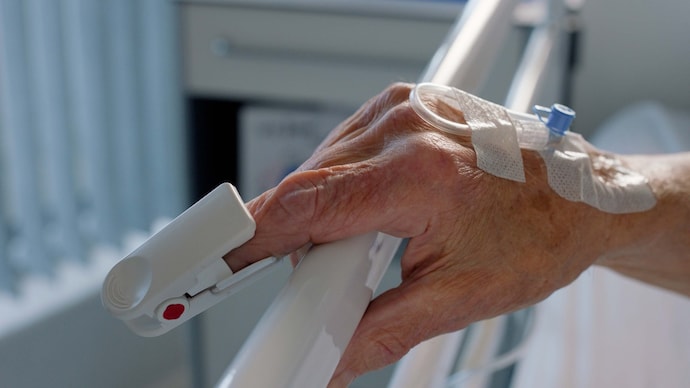

At least 21 people were killed, and over 40 were rescued after a massive fire broke out at a hotel in Delhi's Malviya Nagar on Wednesday.
According to Dr Sandeep Budhiraja of Max Hospital, Saket, most of the deaths were caused not by burns but by suffocation after victims inhaled toxic smoke and fumes. Several patients remain in critical condition, with many requiring intensive care and ventilator support.
The tragedy has brought attention to asphyxiation, a life-threatening condition that occurs when the body does not get enough oxygen. During fires, smoke can quickly fill enclosed spaces, while toxic gases can prevent oxygen from reaching vital organs.
Within minutes, oxygen deprivation can lead to unconsciousness, brain injury and death. Experts say recognising the signs of asphyxiation and seeking immediate medical help can be crucial in saving lives.
WHAT IS ASPHYXIATION?
Asphyxiation occurs when the body does not receive enough oxygen to function normally. It may happen when breathing is blocked, oxygen levels in the environment are low, or toxic gases interfere with the body's ability to transport oxygen.
The brain is highly dependent on oxygen. Without an adequate supply, brain cells can begin to die within a few minutes, making asphyxiation a life-threatening emergency.
WHY FIRE VICTIMS OFTEN DIE FROM SMOKE RATHER THAN FLAMES
Many people assume burns are the main cause of death during fires. However, smoke inhalation is often responsible for a significant number of fatalities.
During a fire:
Oxygen levels inside a building can drop rapidly.
Toxic gases such as carbon monoxide may accumulate.
Smoke particles can irritate and damage the airways.
Victims may become disoriented and unable to escape.
In enclosed spaces, a person can lose consciousness within minutes due to oxygen deprivation.
TREATMENT FOR ASPHYXIATION
EMERGENCY FIRST AID
The priority is restoring oxygen flow.
This may involve:
Moving the person to fresh air
Removing any airway obstruction
Performing the Heimlich manoeuvre for choking
Providing rescue breaths if trained
Starting CPR if the person is unresponsive
HOSPITAL TREATMENT
Doctors may provide:
Oxygen therapy
Airway support
Mechanical ventilation
Treatment for smoke inhalation injuries
Medications for allergic reactions
Monitoring of heart and brain function
Prompt treatment can reduce the risk of permanent organ damage.
POSSIBLE COMPLICATIONS
A prolonged lack of oxygen can affect multiple organs.
Complications may include:
Brain damage
Memory problems
Lung injury
Heart complications
Coma
Death
The severity often depends on how long the body was deprived of oxygen.
The tragic Delhi hotel fire serves as a reminder that the dangers of a blaze extend far beyond flames. Asphyxiation caused by smoke inhalation and oxygen deprivation can become fatal within minutes, often before victims can escape.
Understanding the causes, recognising the warning signs and responding quickly can make a critical difference during emergencies. Whether caused by fire, choking, drowning or toxic gas exposure, asphyxiation is a medical emergency that requires immediate attention and treatment.