
From taboo to treatment: Why menopause hormone therapy is making a comeback
Doctors say careful patient selection – not fear – should guide the use of Hormonal Replacement Therapy (HRT), now rechristened to Menopausal Hormone Therapy.
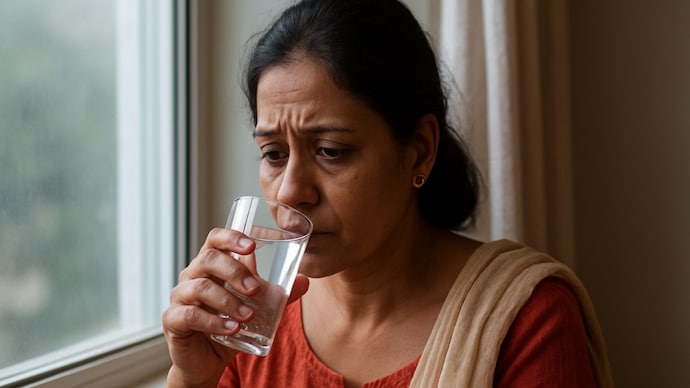

 For decades, hormone therapy for menopause carried a cloud of fear after a landmark study linked it to breast cancer and heart disease, prompting millions of women worldwide to abandon treatment. But that perception is now changing.
"The Indian context is unique," said veteran endocrinologist Dr Ambrish Mithal, arguing that hormone replacement therapy (HRT), now more appropriately called Menopausal Hormone Therapy (MHT), when prescribed to the right patients, can significantly improve quality of life for women who spend nearly one-third of their lives after menopause.
Indian women typically enter menopause four to five years earlier than their Western counterparts, while life expectancy continues to rise. At the same time, awareness around menopause is increasing, with more women seeking medical help for symptoms that were once dismissed as an inevitable part of ageing.
Typically occurring between the ages of 45 and 55, menopause is the cessation of menstruation and the decline in ovarian function. This biological process comes with hormonal fluctuations, mainly the lowering of oestrogen and progesterone levels, which can lead to a variety of physical and psychological symptoms.
"The key is careful patient selection," Dr Mithal, head of endocrinology and diabetes at Max Healthcare in Saket, also said, adding that hormone therapy is "not a one-size-fits-all treatment," but for informed women who have access to regular medical care, screening and follow-up, it can offer substantial benefits.
HOW FEAR TOOK OVER
Hormone Replacement Therapy (HRT), now more commonly referred to as Menopausal Hormone Therapy, was once considered standard care for women with menopausal symptoms. Besides relieving hot flashes and night sweats, it was also believed to protect bone health.
Everything changed in 2002 after the Women's Health Initiative (WHI), a large US study involving around 27,000 women, reported that hormone therapy appeared to increase the risk of breast cancer, blood clots and stroke.
The findings triggered a dramatic shift in clinical practice worldwide, with hormone therapy rapidly becoming one of the most controversial treatments in women's health.
According to Dr Mithal, the study itself was robust, but the way its findings were interpreted lacked important clinical nuance.
One major limitation was the age of the participants. The average participant was 63 years old, whereas hormone therapy is generally initiated around the onset of menopause – about 50–51 years in Western countries and 46–47 years in India.
Another important difference was the type of hormones used. The study evaluated conjugated equine oestrogen, derived from the urine of pregnant mares, along with synthetic progesterone. Today's clinical practice increasingly relies on newer formulations, including bioidentical hormones, which differ from those used in the trial.
"The patient population and the medications used were quite different from current clinical practice," he explained.
EVIDENCE SHIFTS AGAIN
A decade later, scientists revisited the WHI data and found a far more reassuring picture.
Reanalysis conducted around 2012-13 showed that women who began hormone therapy between the ages of 50 and 60 had a much more favourable risk profile than initially believed.
Among women who started treatment closer to menopause, there was no significant increase in cardiovascular risk. Women who used hormone therapy for fewer than five years showed little or no meaningful increase in breast cancer risk, while women receiving oestrogen alone after hysterectomy did not demonstrate an increased breast cancer risk in the study.
These findings fundamentally changed how doctors viewed menopause hormone therapy.
Rather than asking whether hormone therapy is universally safe or unsafe, clinicians increasingly began asking who should receive it, when it should be started, which hormones should be used and for how long.
As a result, hormone therapy gradually re-entered mainstream medical practice around 2014-15, with international guidelines becoming progressively more supportive for appropriately selected women.
The terminology has also evolved. The preferred term today is Menopausal Hormone Therapy (MHT), reflecting its primary purpose of managing menopause-related symptoms and health concerns rather than simply replacing hormones.
THE INDIAN BALANCING ACT
While India stands to benefit from wider access to MHT, it also presents unique challenges.
Earlier menopause means Indian women potentially live longer with oestrogen deficiency. Yet the country also experiences cardiovascular disease at a younger age than many Western nations.
This makes individualised risk assessment even more critical.
Dr Mithal says MHT should not be prescribed routinely to every woman entering menopause. Instead, it should be reserved for those who understand the benefits and risks, have no major contraindications and can undergo appropriate screening and long-term follow-up.
For women facing more immediate health challenges – including poor nutrition, limited access to healthcare or inadequate follow-up, the risks and practical challenges may outweigh the benefits.
"The goal is personalised treatment, not routine prescription," he says.
The therapy works by replacing some of the oestrogen and, where needed, progesterone – that naturally decline during menopause.
While oestrogen is best known for its role in reproduction, it also plays an important part in maintaining bone strength, supporting cardiovascular health, preserving vaginal and urinary health, and potentially contributing to cognitive function and overall well-being.
As hormone levels fall, many women experience hot flashes, night sweats, disturbed sleep, palpitations, mood swings, anxiety, irritability, brain fog, unexplained body aches and persistent fatigue.
For some, these symptoms are mild. For others, they interfere with work, relationships and daily functioning.
In such women, Dr Mithal says, MHT can be an effective treatment – but only after an individualized medical assessment.