
Soaking mangoes before eating: Does it really improve health? Nutrition explain
For generations, Indian households have soaked mangoes in water before eating them. But does this age-old practice offer any real health benefits, or is it simply a tradition passed down through families?
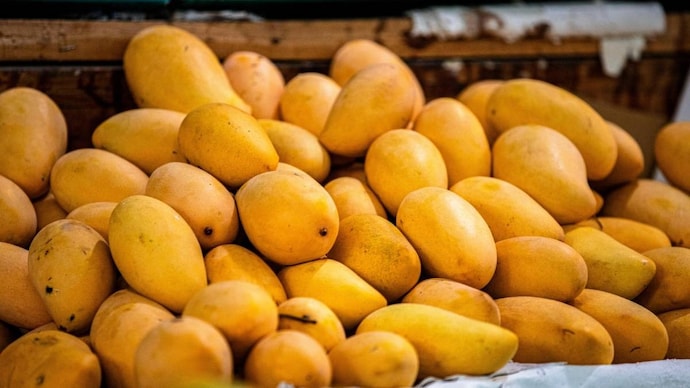

Mango season is one of the most anticipated times of the year in India. From juicy Alphonsos to sweet Dussehris and Langras, the king of fruits finds its way into homes across the country during the summer months. Along with enjoying the fruit, many families continue to follow a long-standing practice: soaking mangoes in water for 30 minutes to a few hours before eating them.
The tradition has been passed down through generations, often accompanied by beliefs that it helps remove the fruit's "heat," prevents acne, improves digestion, and makes mangoes healthier to eat. While many people continue to follow this custom without questioning it, others wonder whether there is any scientific basis behind it.
Health experts say that while soaking mangoes may offer some practical benefits related to cleanliness and food safety, several popular claims associated with the practice are not supported by scientific evidence. Nutritionists explain that soaking is unlikely to change the nutritional profile of the fruit or prevent common summer complaints that are often linked to mango consumption.
WHY DID THE TRADITION START?
According to Dt. Deepali Sharma, Clinical Nutritionist at CK Birla Hospital, Delhi, says soaking mangoes before consumption has been a common practice in Indian households for many years. One of the possible reasons behind the tradition is improved food hygiene.
"Mangoes travel through multiple stages after harvesting, including transportation, storage, and handling. During this process, dust, soil, and microorganisms can accumulate on the fruit's surface. Soaking and washing may help remove some of these contaminants before consumption," she explains.
CAN SOAKING HELP REMOVE SAP AND SURFACE RESIDUE?
Experts say one of the more practical benefits of soaking mangoes relates to the milky sap, also known as latex, that may remain on the fruit after harvesting.
Dr Samiksha Kalra, Dietitian and Lactation Consultant at Madhukar Rainbow Children's Hospital, says freshly harvested mangoes often contain sap residue on their skin. In some individuals, this latex can cause mild irritation or allergic reactions.
"Soaking or thoroughly washing mangoes may help reduce sap residue present on the skin, making the fruit more comfortable to handle and consume for sensitive individuals," she notes.
In addition, soaking and rinsing may help reduce some surface dirt and traces of pesticide residue present on the outer skin of the fruit. However, experts caution that soaking cannot remove pesticides that have already penetrated into the flesh of the mango.
DOES SOAKING REDUCE THE 'HEAT' OF MANGOES?
One of the most common beliefs associated with soaking mangoes is that it reduces their "heat-producing" nature and prevents problems such as acne, nosebleeds, or digestive discomfort.
However, nutrition experts say there is little scientific evidence to support this claim.
According to Dt. Sharma, there is no established scientific proof that soaking mangoes can prevent excessive body heat or improve digestion. Factors such as hydration levels, overall diet, fibre intake, and individual digestive tolerance play a much bigger role in determining how the body responds to food.
Similarly, Dr Kalra points out that modern research has not shown that soaking changes the fruit in a way that would prevent acne, digestive issues, or other symptoms commonly blamed on mangoes.
DOES SOAKING AFFECT NUTRITIONAL VALUE?
Another common concern is whether soaking mangoes affects their nutrients.
Experts say the answer is no.
The vitamin content, antioxidants, fibre, and natural sugars present in mangoes remain largely unchanged after soaking. The fruit continues to provide important nutrients such as vitamin A, vitamin C, and antioxidants that support overall health.
This means people can enjoy the nutritional benefits of mangoes whether they choose to soak them or not.
WHAT IS THE BEST WAY TO EAT MANGOES SAFELY?
While soaking is considered a safe practice, experts suggest that good hygiene remains the most important step.
Thoroughly washing mangoes under clean running water before eating can help remove dirt and surface contaminants. People should also choose ripe mangoes, consume them in moderation, and stay adequately hydrated during summer.
For those who are sensitive to latex or experience irritation from sap residue, soaking may offer additional comfort.
Soaking mangoes in water before eating is a traditional practice that continues to be followed in many Indian households. While scientific evidence does not support claims that soaking reduces the fruit's "heat" or significantly improves digestion, experts say it can help clean the fruit, remove some surface contaminants, and reduce sap residue that may irritate sensitive individuals.
In other words, soaking mangoes is not medically necessary, but it can be a useful hygiene practice. The biggest benefits appear to be practical rather than physiological, making it a tradition that still has some relevance today.