
When 200 nations couldn't say 'fossil fuels': COP31 failed, what next?

In one of the hottest years yet, transition from fossil fuels slows down while finance and adaptation money issues head to the 2027 UN climate conference in Addis Ababa
 Last UpdatedNov 29, 2026 00:22 IST
 Published by
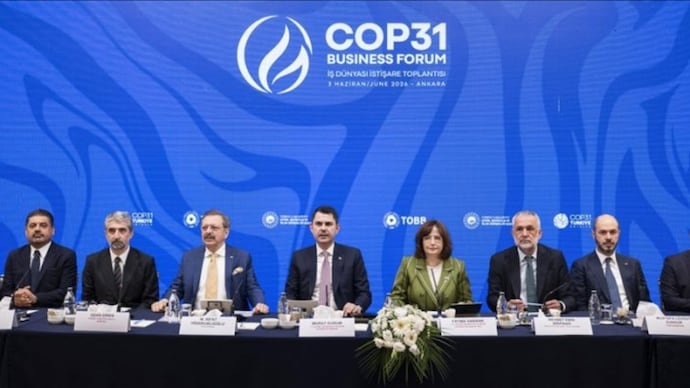
 In a year set to rank among the hottest on record, when a strong El Nio on top of a warming planet has claimed hundreds of thousands of lives, nearly 200 countries spent two weeks in Antalya, Trkiye, debating how to cut emissions but could not agree even to mention the fuels that cause them.
The 31st UN Climate Change Conference (COP31) ended on November 22, nearly two days after its scheduled close and is the longest such summit on record. It ended without the ‘Antalya Pact’, the political statement its Turkish and Australian hosts had hoped would set the direction for the year ahead for financing ‘just transition’ through ‘climate fund’. At least 32 countries rejected the final draft, which did not have the words ‘fossil fuel’.
Countries adopted decisions on climate finance, adaptation, carbon markets and support for workers in fossil-fuel industries, known as a ‘just transition’. But on the two questions that decide the future of climate action—how fast the world quits fossil fuels and who pays for it—Antalya failed to reach an agreement.
At Dubai in 2023, countries had agreed for the first time to ‘transition away’ from fossil fuels. Antalya could not even repeat that pledge. The first draft did, but it was stripped out within three days, with Russia opposing any wording on fossil fuels. The European Union (EU) and a group of climate-vulnerable nations then rejected the final text because it was silent on the issue.
“[It] does not even mention fossil fuels, which is the key driver of climate change,” said Darragh O'Brien, Ireland's climate minister, speaking for the EU.
Chris Bowen, Australia's climate minister, who chaired the negotiations, said the talks failed because countries had drawn red lines—positions they refused to give up—that no compromise could bridge. The EU would not sign a text without fossil fuels; Russia and the Arab Group would not sign one with them.
Al Gore, former US vice-president and founder and chairman of The Climate Reality Project, said: “It is outrageous that a handful of petrostates have veto power over any mention of fossil fuels. They want you to believe that the climate crisis is a problem that the world is unwilling to solve. But the outcome at COP31 shows the opposite. World leaders no longer want to settle for the lowest common denominator.”
What happens next is the big question. The Dubai commitment survives on paper, but the real action is moving to voluntary coalitions. Brazil, which hosted last year's summit, presented a global roadmap for moving off coal, oil and gas in Antalya. In April, 57 countries had met in Santa Marta, Colombia, to plan national transitions, and a second meeting, co-hosted by Tuvalu and Ireland, is due next year.
Big powers pulled the other way. Three days before the collapse, the leaders of the United States, China and Russia issued a joint declaration pledging more refined petroleum supply.
Developing countries did win one thing: two more years of formal talks on climate finance, running until 2028. But rich countries made sure the talks will cover all kinds of money, including private investment, not just the public funds they are legally bound to provide under the Paris Agreement. That lets them count private investment towards their promises.
The promise to triple adaptation finance by 2035, made last year, still has no figure or baseline. A proposed $120 billion target was dropped, and both questions moved to next year's summit in Addis Ababa, Ethiopia.
The backdrop is grim. Public climate-finance pledges from rich countries have fallen by about 70 per cent this year, to roughly $11.7 billion a year. The EU’s climate commissioner Wopke Hoekstra was blunt about reopening the finance goal agreed in 2024. “We don't think there is any merit in opening it,” she said.
“Rich countries were reminded of the Paris Agreement provision that says they must pay, but they forced the deletion of every number that would show whether they have. They even erased the word ‘debt’ from a finance decision while countries across Asia and Africa spend more on debt repayments than on protecting their people. That is why this text deserved to fail,” said Harjeet Singh, global convenor of the Fill the Fund campaign and founding director of Satat Sampada Climate Foundation.
India spoke for the Like-Minded Developing Countries, a bloc that includes China and Saudi Arabia. In the closing session, Amandeep Garg, additional secretary in the ministry of environment, forest and climate change, said the world was at the threshold of crossing 1.5°C of warming, and the text had to ask why.
“Whose emissions—both past and continuing—have exhausted the global carbon budget?” Garg asked, referring to the limited amount of carbon the world can still emit before crossing that limit. The final draft, he said, merely repeated old language on responsibility and “does not connect this with the imminent prospect of exceeding 1.5°C.”
Garg accused rich nations of stonewalling. “Our partners have refused to engage on the issue of climate finance across different negotiating rooms,” he said, adding that developing countries had been told new finance was “dead in the water”. Environment minister Bhupender Yadav said India engaged “constructively” to the end. “Climate ambition must go hand in hand with means of implementation,” he wrote on X.
India came away with what it wanted on targets. The 35-by-35 electrification goal, endorsed by more than 80 countries, stayed voluntary and India resisted turning global warming limits into national targets. It lost on money and on trade, where its concerns about Europe’s carbon border tax creating new unfair trade barriers went nowhere.
Its fossil-fuel stance though is less clear. Before the summit, Yadav had ruled out any phaseout of fossil fuels, citing energy access. Yet in Antalya, India backed Brazil's voluntary roadmap, saying it “strikes a delicate balance”. That fits India's preference: transitions planned nationally, at its own pace, rather than negotiated phaseout language imposed from above.
The unresolved fights will return at talks in Bonn in June 2027, then at the summit in Addis Ababa that November. There, countries must settle the adaptation figure, the shape of the ‘just transition’ mechanism and the finance programme’s scope. Behind all of it looms the 2028 global stocktake, the five-yearly review of whether the world is on track.
Ajay Mathur, former director general of the International Solar Alliance, called the failure “a setback for the process, not the end of climate action”.
UN secretary-general António Guterres was less forgiving. “The world cannot afford a repeat of this moment,” he said.
Subscribe to India Today Magazine
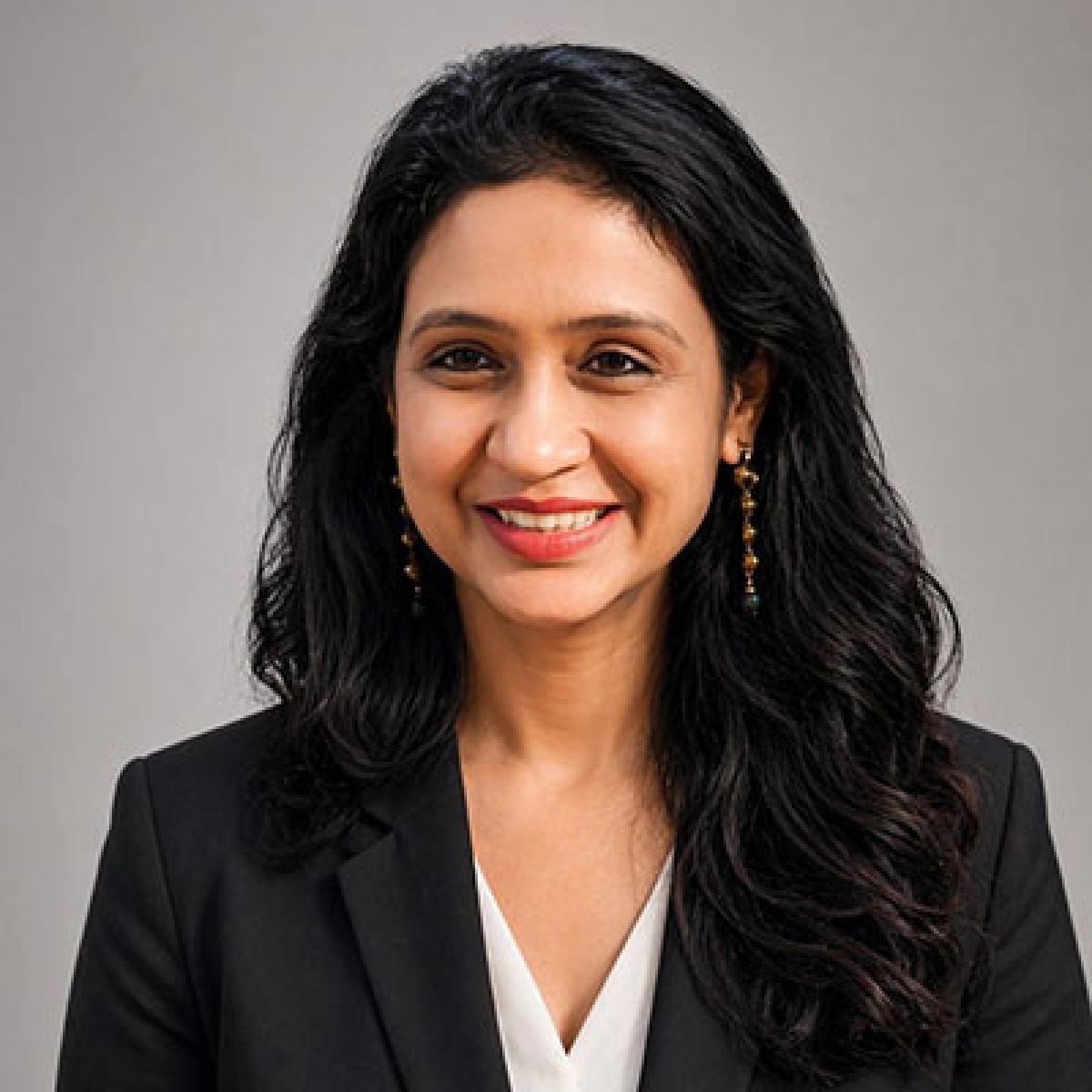
Jumana Shah has spent two decades chasing Gujarat's stories on elections, governance, diamonds, dairy, and everything in between. She also writes on Environment, Wildlife and Climate Change. She has earlier worked with India Toay TV, DNA Newspaper and the Times of India. Now India Today's Gujarat bureau chief, she has a scuba diver's patience and a Wing Tsun exponent's reflexes. Mother of two, serial traveller, and constitutionally incapable of not asking one more question.
READ MORE