
Can't be shield to kill: Keralam minister urges Centre to lower juvenile age to 16

Keralam Home Minister argued that rising violent crimes involving minors warrant lowering the juvenile age from 18 to 16, saying child protection laws should not become a shield for serious offenders at the expense of victims.
 Last UpdatedNov 20, 2026 16:17 IST
 Published by
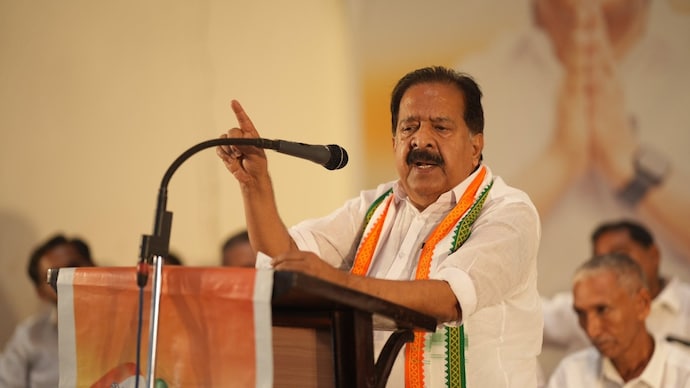
Keralam Home Minister Ramesh Chennithala has written to Union Home Minister Amit Shah seeking a review of the Juvenile Justice Act, 2015, citing an increase in violent crimes involving minors and calling for a balance between protecting children in conflict with the law and addressing the concerns of victims.
One of the key suggestions made by Chennithala is to reduce the age of juveniles from 18 to 16 years, particularly in view of the increasing number of serious offences allegedly involving minors. He said the proposed changes would require amendments by Parliament.
Speaking about the letter, Chennithala said there had been a growing number of complaints involving criminal activities by minors, including murders, triggering public outrage.
"One suggestion I have given is to reduce the age from 18 to 16," he said, adding that he had highlighted the issue in his communication to the Union Home Minister.
He also expressed concern that some people were allegedly encouraging criminal activities by taking advantage of the protections provided under the existing law.
"The Juvenile Justice Act is for the protection of minors, but this cannot be used as a shield to kill people," Chennithala said.
In his letter, the minister said there had been a perceptible increase in violent offences involving children below the age of 18 in recent years. While acknowledging that the existing law ensures the protection of children's rights and welfare, he argued that it appeared insensitive to the plight of victims, including those affected by grave offences.
"In recent years, there is a perceptible increase in violent offences involving children below 18 years. While the law as it exists today ensures that the rights and welfare of children are protected, it appears to be insensitive to the plight of the victims who suffer even from very grave offences. The law should strike a balance between safeguarding the rights of the juveniles and addressing the plight of the victims," the letter read.
Chennithala said the Juvenile Justice Act had been framed with a child-friendly approach towards children in conflict with the law. The legislation was the result of several amendments to the original law introduced in 1986.
However, he said the changing nature and severity of crimes involving minors warranted a fresh examination of its provisions. He also pointed to the rapid spread of digital media and substance abuse among adolescents and young people as factors contributing to the changing situation.
The minister argued that the number and severity of violent offences involving minors had increased significantly in the decade since the 2015 legislation was enacted. He called for suitable amendments that would take into account both the protection of children and the suffering of victims.
The letter comes amid several serious criminal incidents in Kerala allegedly involving minors.
In a recent case at Pangappara in Thiruvananthapuram, a minor was among those taken into custody in connection with the murder of a 17-year-old boy. The victim's body was found stuffed inside a sack and dumped on a vacant plot.
In August, a 13-year-old girl and three other minors were held for allegedly conspiring to murder her 65-year-old grandfather at Karuvatta in Alappuzha district. Police alleged that the girl planned the murder with three teenage boys, who carried it out at her instigation.
In another incident, 55-year-old Jayabalakrishnan was killed at Cheranalloor near Kochi on October 25 after a Mercedes-Benz, allegedly driven by a 17-year-old boy, rammed into his scooter.
Against this backdrop, Chennithala has called for a review of the Juvenile Justice Act, arguing that its provisions must address the growing concerns over serious offences involving minors without compromising the need to protect children in conflict with the law.