Is youth discontent forcing BJP to hold allies tighter in Maharashtra?

Following Gen Z protests, Maharashtra Chief Minister Devendra Fadnavis is working to ease rifts within the Mahayuti alliance. The BJP is prioritising coalition unity, resolving administrative appointments and fund-sharing issues, while shifting focus towards education, healthcare and welfare. The party is also reassessing its social media strategy and organisational structure amid growing youth discontent.
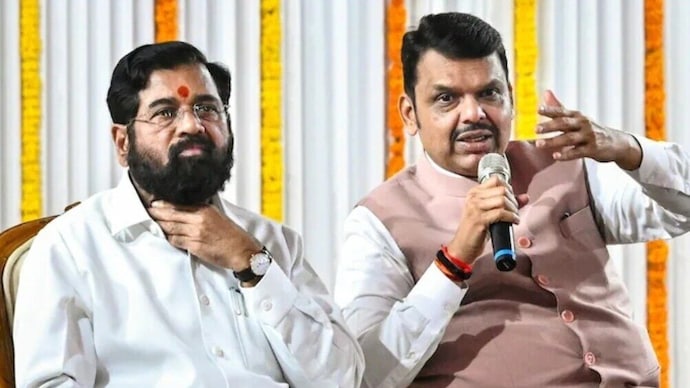

Following a wave of widespread Gen Z protests, Chief Minister Devendra Fadnavis has initiated efforts to resolve internal rifts within the ruling Mahayuti alliance. In the wake of high-level meetings with Prime Minister Narendra Modi, Fadnavis is moving swiftly to address long-standing administrative and political friction in Maharashtra.
Key measures include filling delayed appointments for Guardian Ministers in Raigad and Nashik districts, establishing a fair distribution ratio for District Planning and Development Committee (DPDC) funds, and filling nearly 170 state corporation posts based strictly on each party's legislative strength.
During a late-night dinner diplomacy session at his official residence, Varsha, Fadnavis secured commitments from coalition leaders. State BJP leader Chandrashekhar Bawankule confirmed that all Mahayuti partners will contest the upcoming MLC Teachers' and Graduates' constituency polls, as well as local body elections, as a united front.
This swift coalition-building represents a strategic shift. While the BJP had previously laid the groundwork to contest future elections independently, it is now prioritising alliance solidarity to navigate a sudden surge in youth discontent. The movement, fuelled by widespread campaigns led by groups such as the Cockroach Janta Party, has amplified demands for institutional accountability.
In response, both the central and state leaderships are refocusing their priorities. Chief Minister Fadnavis and his Deputy CMs are auditing ministry performance and shifting focus away from high-visibility infrastructure projects towards core social services such as education, healthcare, public and social welfare, and women's development.
The administration is paying closer attention to educated, urban middle-class voters who demand structural delivery rather than political posturing.
Nationally, the party is adjusting its social media strategy and exploring organisational restructuring. With Maharashtra serving as a critical focal point for this national realignment, political circles anticipate further administrative and political adjustments ahead.