Vietnamese crab exporter
Advertisement

Is the era of regional parties over? Democratic Newsroom debates

The big focus of this episode of Democratic Newsroom is on the shrinking of regional parties as they face internal rebellion and the changing map of Indian politics amid BJP's growing dominance at the centre. The likes of the TMC and Shiv Sena (UBT) are facing internal rebellion while the DMK and NCP (SP) are losing ground in their states. So, the questions we are raising on the show are: Is it the sunset time for regional satraps? Is the era of regional parties over? Watch as India Today's editors share their views on these and more on the show.


Read More

VIDEOS FROM OTHER SECTIONS

LATEST VIDEOS

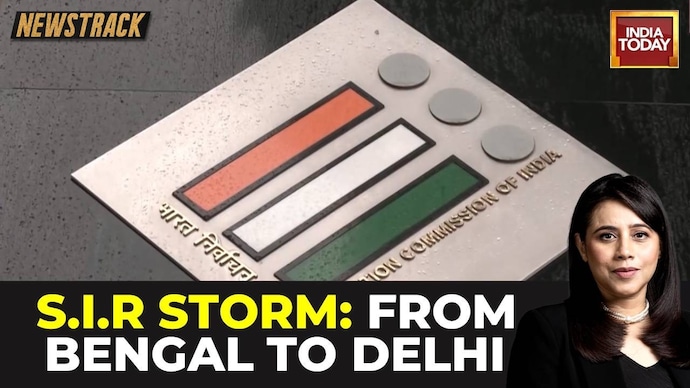
SIR Row: 37 Lakh Appeals in Bengal Backlog, 33.3 Lakh Notices in Delhi, EC Defends Revision Process

The Special Intensive Revision of Electoral Rolls has triggered controversy across West Bengal and Delhi. In West Bengal, over 37 lakh appeals remain pending before tribunals following the deletion of approximately 27 lakh voters. Based on the Election Commission of India's affidavit before the Supreme Court, disposing of this massive backlog at the current monthly pace of around 25,238 cases could take nearly 12 years. To accelerate hearings, the poll panel has sought to increase the number of appellate tribunals from 19 to 42. Meanwhile, in Delhi, 33.3 lakh voters have received revision notices over discrepancies such as unmapped records from the 2002 voter list, name mismatches, and age differences. High-profile figures, including Union Ministers, former and current Chief Ministers, and senior officials, have received notices. The Election Commission clarified that issuing a notice does not equate to deletion, ensuring that no name will be removed without a hearing, while the opposition alleges large-scale voter exclusion.
IIT Bombay Suicide Row: Student Death Sparks Caste Bias Charge & Faculty Backlash

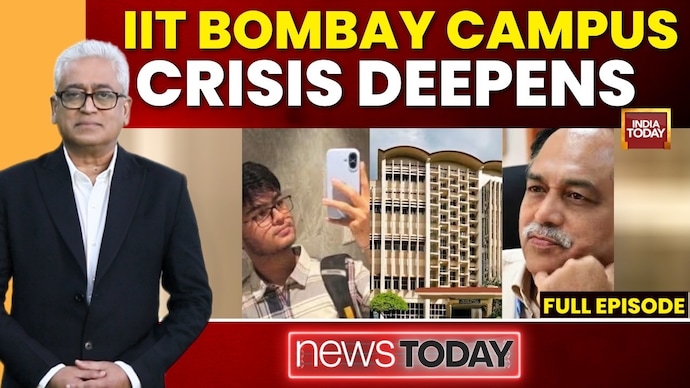
This special broadcast reports on key national developments, beginning with the aftermath of the death by suicide of IIT Bombay undergraduate student Sahil Wakhode. The incident, which occurred after the student was allegedly caught using a mobile phone and an artificial intelligence tool during an examination, led to an FIR under the Scheduled Castes and Scheduled Tribes (Prevention of Atrocities) Act against Professor Suryanarayan Dula and his subsequent removal from an administrative dean post. The bulletin examines student protests, campus reactions, and discussions surrounding institutional protocols and student welfare across premier technical institutes. The programme also details the Special Intensive Revision of Delhi's electoral rolls, where 47.5 lakh names out of 1.45 crore voters were deleted from the draft list and over 31 lakh discrepancy notices were issued to citizens, Union ministers, and judicial figures, drawing criticism from former Election Commissioner Ashok Lavasa. Additionally, the report covers a mob assault on two school students in Jamui, Bihar, and highlights Suchika Tariyal winning India's first bronze medal in mixed martial arts at the Asian Games.

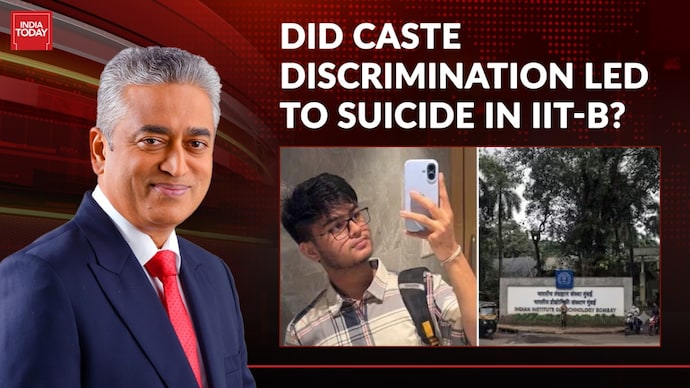
IIT-B student death: Experts debate caste bias, student pressure and accountability

A debate on IIT Bombay student Sahil Wakode’s death by suicide examined allegations of caste discrimination and institutional pressure on campus. Panellists discussed charges filed under the SC/ST (Prevention of Atrocities) Act against Professor Suryanarayan Dula following the incident. Alumnus Sudheendra Kulkarni stressed that guilt should not be presumed before an inquiry and warned against misuse of legal provisions. Dr Suraj Yengde highlighted data on SC and ST students and raised concerns over systemic discrimination. Professor Raghu Murtugudde called for an impartial fact-finding probe and stressed the need to restore trust between students and the administration.

advertisement

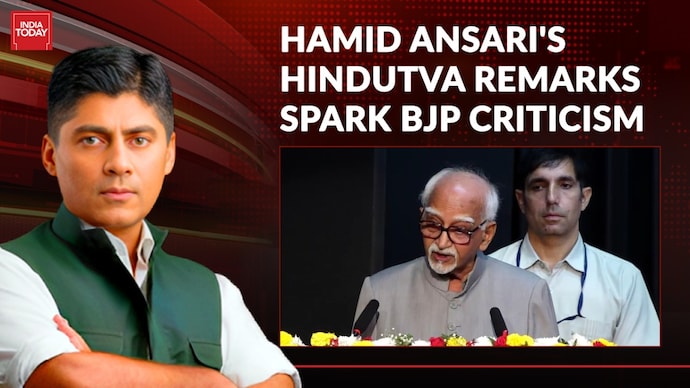
Greater threat: Hamid Ansari quotes Nehru on Hindu right-wing, draws bjp's criticism

Former Vice President Hamid Ansari has triggered a political row after citing an observation attributed to former Prime Minister Jawaharlal Nehru during the A.G. Noorani Memorial Lecture. Quoting from a book, Ansari referred to Nehru’s reported view that Hindu right-wing communalism posed a greater threat to India than communism. The remarks drew criticism from the Bharatiya Janata Party, while Uttar Pradesh Chief Minister Yogi Adityanath described them as an insult to Sanatan traditions. Cleric Umar Ahmed Ilyasi also criticised Ansari. His supporters highlighted his career as a diplomat and scholar.