Vietnamese crab exporter
Advertisement

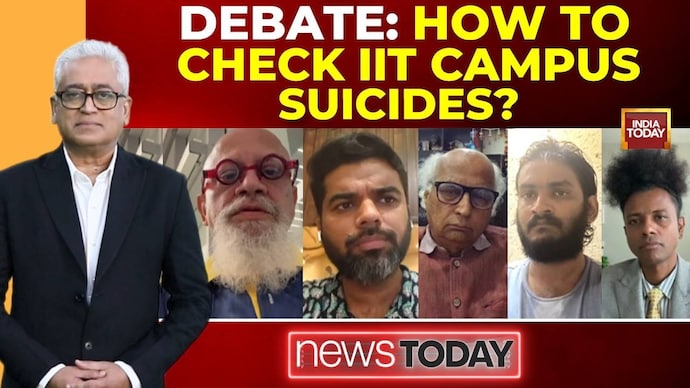
IIT-B student death: Experts debate caste bias, student pressure and accountability

A debate on IIT Bombay student Sahil Wakode’s death by suicide examined allegations of caste discrimination and institutional pressure on campus. Panellists discussed charges filed under the SC/ST (Prevention of Atrocities) Act against Professor Suryanarayan Dula following the incident. Alumnus Sudheendra Kulkarni stressed that guilt should not be presumed before an inquiry and warned against misuse of legal provisions. Dr Suraj Yengde highlighted data on SC and ST students and raised concerns over systemic discrimination. Professor Raghu Murtugudde called for an impartial fact-finding probe and stressed the need to restore trust between students and the administration.
 

Read More

VIDEOS FROM OTHER SECTIONS

LATEST VIDEOS

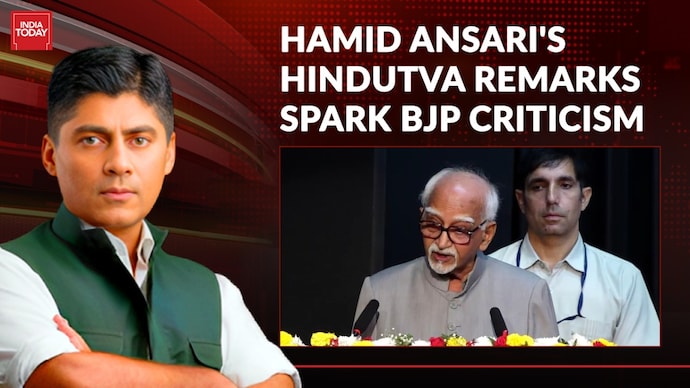
Greater threat: Hamid Ansari quotes Nehru on Hindu right-wing, draws bjp's criticism

Former Vice President Hamid Ansari has triggered a political row after citing an observation attributed to former Prime Minister Jawaharlal Nehru during the A.G. Noorani Memorial Lecture. Quoting from a book, Ansari referred to Nehru’s reported view that Hindu right-wing communalism posed a greater threat to India than communism. The remarks drew criticism from the Bharatiya Janata Party, while Uttar Pradesh Chief Minister Yogi Adityanath described them as an insult to Sanatan traditions. Cleric Umar Ahmed Ilyasi also criticised Ansari. His supporters highlighted his career as a diplomat and scholar.
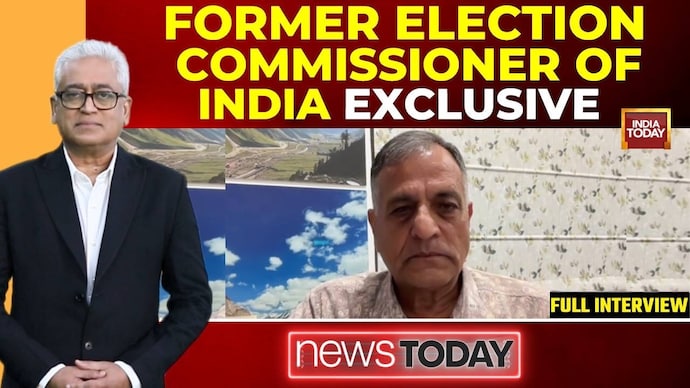
Ashok Lavasa: 'ECI Owes An Apology' For Chaos Created By SIR

In an interview with Rajdeep Sardesai, former Election Commissioner Ashok Lavasa raised serious concerns over the ongoing Special Intensive Revision (SIR) exercise and large-scale voter deletions from electoral rolls. Criticising the process, Lavasa remarked, "I think the EC probably has put in place an irrational procedure which is gone out of control." He expressed distress over widespread exclusions in Delhi and West Bengal, pointing out that marginalized communities lack the resources to navigate bureaucratic hurdles and Foreigners Tribunals. Lavasa stated, "ECI owes an apology, and it is not too late to scrap the SIR and go back at least in the third phase to the rolls which were valid before the SIR started." Emphasising that clerical errors should not deprive citizens of their franchise, he stated, "A discrepancy is not a disqualification." He urged the Election Commission of India to establish transparency, address demographic ratios, and rebuild public trust in electoral democracy.

Delhi Voter List Revision: Over 80 Lakh Under Scanner, Prominent Names Get Notices

The Special Intensive Revision of Delhi's electoral rolls has placed over half of the national capital's voters under scrutiny. Out of a total of 1.45 crore voters, 47.5 lakh names have been deleted from the draft roll under the absent, shifted, dead, or duplicate categories. An additional 33.13 lakh electors have been flagged for discrepancies, comprising 19.33 lakh under logical discrepancies and 13.80 lakh not mapped with the 2002 electoral roll. Prominent personalities, including Union ministers, former chief ministers, senior bureaucrats, judges, and election officials, have received notices. The Election Commission clarified that receiving a notice does not signify immediate voter deletion or ineligibility, noting that electors have an opportunity to submit supporting documents for verification before electoral registration officers. The disposal of notices is scheduled for completion by October 29, ahead of the final electoral roll publication on November 4.

advertisement

Talking Point: Sudheendra Kulkarni, Suraj Yengde, Raghu Murtugudde Debate IIT Bombay Student Suicide

A debate on Talking Point examines the tragic death by suicide of undergraduate student Sahil Wakode at IIT Bombay and the allegations of caste discrimination on campus. Panellists discuss the filing of charges under the SC/ST Prevention of Atrocities Act against Professor Suryanarayan Dula following the incident. Alumnus Sudheendra Kulkarni argues against pre-judging guilt before an inquiry and warns against the misuse of legal provisions, stating 'the normal principle of justice is that you are innocent until proven guilty.' In response, Dr Suraj Yengde highlights systemic challenges and statistical data concerning Scheduled Caste and Scheduled Tribe students, alleging institutionalised caste discrimination within higher education institutions. Professor Raghu Murtugudde addresses campus pressure and emphasizes the need for an impartial fact-finding probe to restore trust between students and administration. The discussion raises critical questions regarding student mental health, academic pressure, fair investigation, and institutional accountability across Indian Institutes of Technology.