
An AI agent just performed brain surgery. Here's how it went

An AI agent guided a needle into a mouse's brain during an epilepsy experiment, while human experts supervised critical stages of the procedure.
 Last UpdatedOct 30, 2026 16:59 IST
 Published by
Artificial intelligence has taken an unusual step into medical research. An AI agent has selected a treatment, identified where it needed to be delivered and operated a robotic machine to inject it directly into the brain of a living mouse.
The experiment was described by Gabriel Ocana-Santero, co-founder of biotechnology startup Exin Therapeutics, in a post on social media platform X on October 28. What makes it particularly striking is that the AI did not simply follow instructions. It made key decisions about the experimental treatment itself.
HOW AI SELECTED THE TREATMENT
According to Ocana-Santero, researchers gave the AI agent 19 possible gene therapy treatments, a mouse model of epilepsy and one objective: reduce the animal's seizures.
The AI examined the options and selected a treatment designed to increase a chemical signal in the brain that helps calm excessive electrical activity.
It then identified the brain region where the treatment needed to be delivered, drawing on information from three scientific research papers to determine the injection location.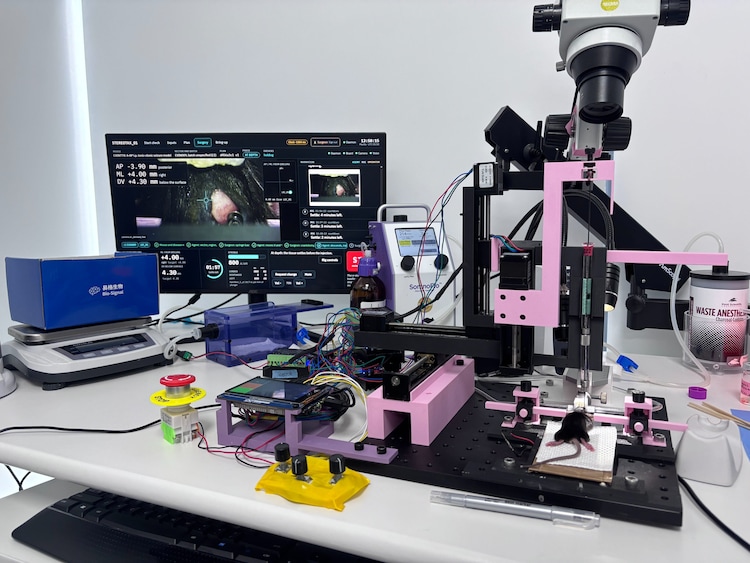
AI OPERATED THE SURGICAL MACHINE
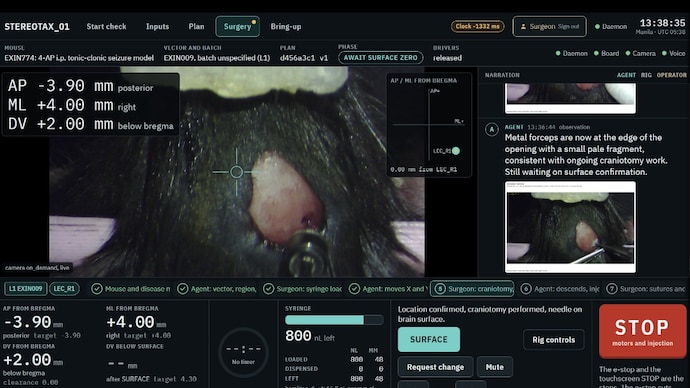
The AI then operated a motorised surgical machine, guiding its needle into the selected area and injecting 250 nanolitres of the treatment over five minutes. It also used a camera to monitor the surgical area.
However, the procedure was not entirely autonomous. A human surgeon opened the mouse's skull and closed the wound afterwards. A veterinarian approved critical steps and kept an emergency switch ready to stop the machine.
Interestingly, the AI refused to move the needle when it detected that the surgical equipment was incorrectly positioned. Even after the researcher asked it to try again, it declined.
The team later discovered a calibration problem in the machine, suggesting the AI had identified a genuine safety risk.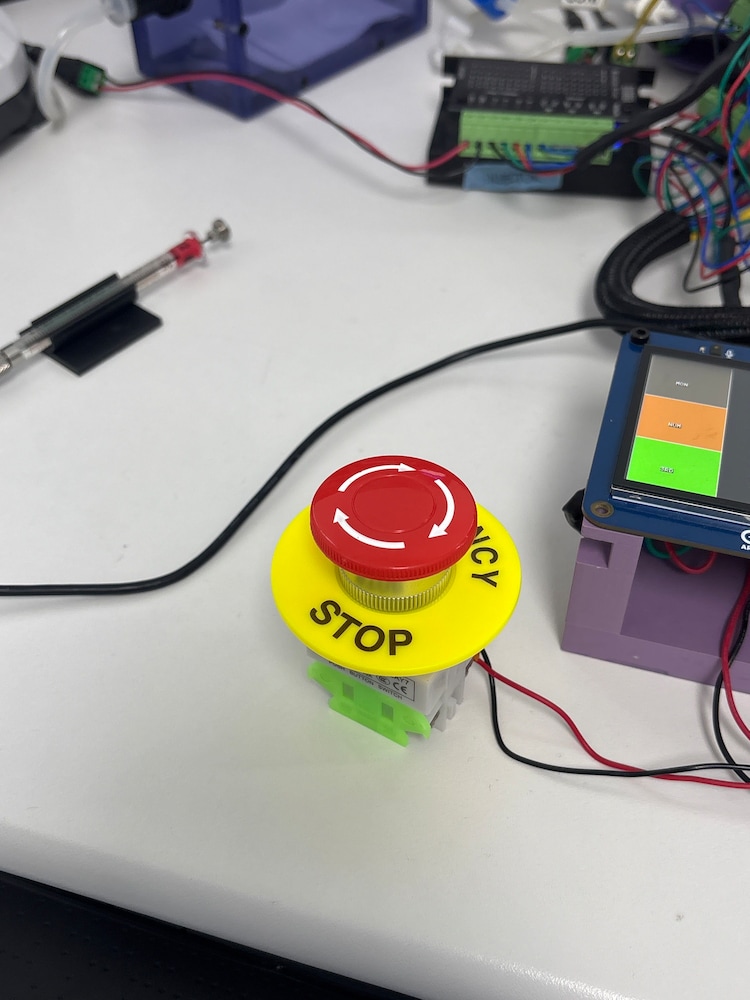
WHAT DOES THIS MEAN FOR MEDICINE?
The researcher said the mouse recovered well. However, there is an important distinction: researchers have not yet established whether the treatment actually reduced its epileptic seizures.
The experiment remains an early demonstration, not an approved medical procedure. The account is based on the researcher's public description, and independently verified results are still needed.
If further research confirms its potential, AI could eventually help scientists move beyond analysing medical information to carrying out complex laboratory procedures under human supervision.