
In a first, Earth records six straight days above 2°C warming

The latest temperature record comes amid growing concerns over the yawning gap between climate warnings and government action.
 Last UpdatedNov 26, 2026 15:31 IST
 Published by
The world has recorded six consecutive days with global temperatures more than 2°C above preindustrial levels for the first time, reaching a concerning climate milestone just days after the annual UN climate summit ended without an actionable agreement.
The daily global average temperature reached 2.24°C above the preindustrial benchmark on Monday, November 23, breaking the previous record of 2.05 degrees set in 2023, according to Copernicus and ECMWF data cited by The Guardian.
What's even worse is that the unusually hot spell is expected to continue for several more days.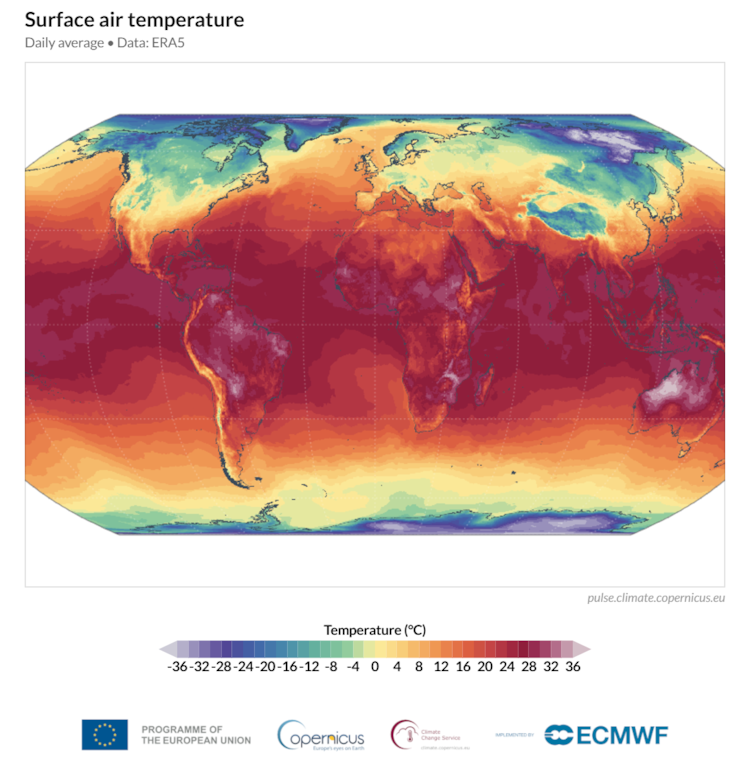
The spike in global temperatures reflects the combined influence of human-caused global warming and a powerful El Nino that is gathering strength.
However, the six-day stretch does not mean the world has formally crossed the temperature limits set under the Paris climate agreement.
WHY ARE TEMPERATURES RISING?
The long-term rise in global temperatures is largely driven by greenhouse gases released when humans burn coal, oil and gas. These gases trap heat in the atmosphere, warming the planet over time.
The current heat is being intensified by El Nino, a natural climate pattern in which parts of the Pacific Ocean become unusually warm. It affects weather patterns around the world and can push global temperatures higher.
The US National Oceanic and Atmospheric Administration, or Noaa, said in its November 12 update that El Nino was continuing to strengthen, with a strong to very strong event likely through January-March 2027.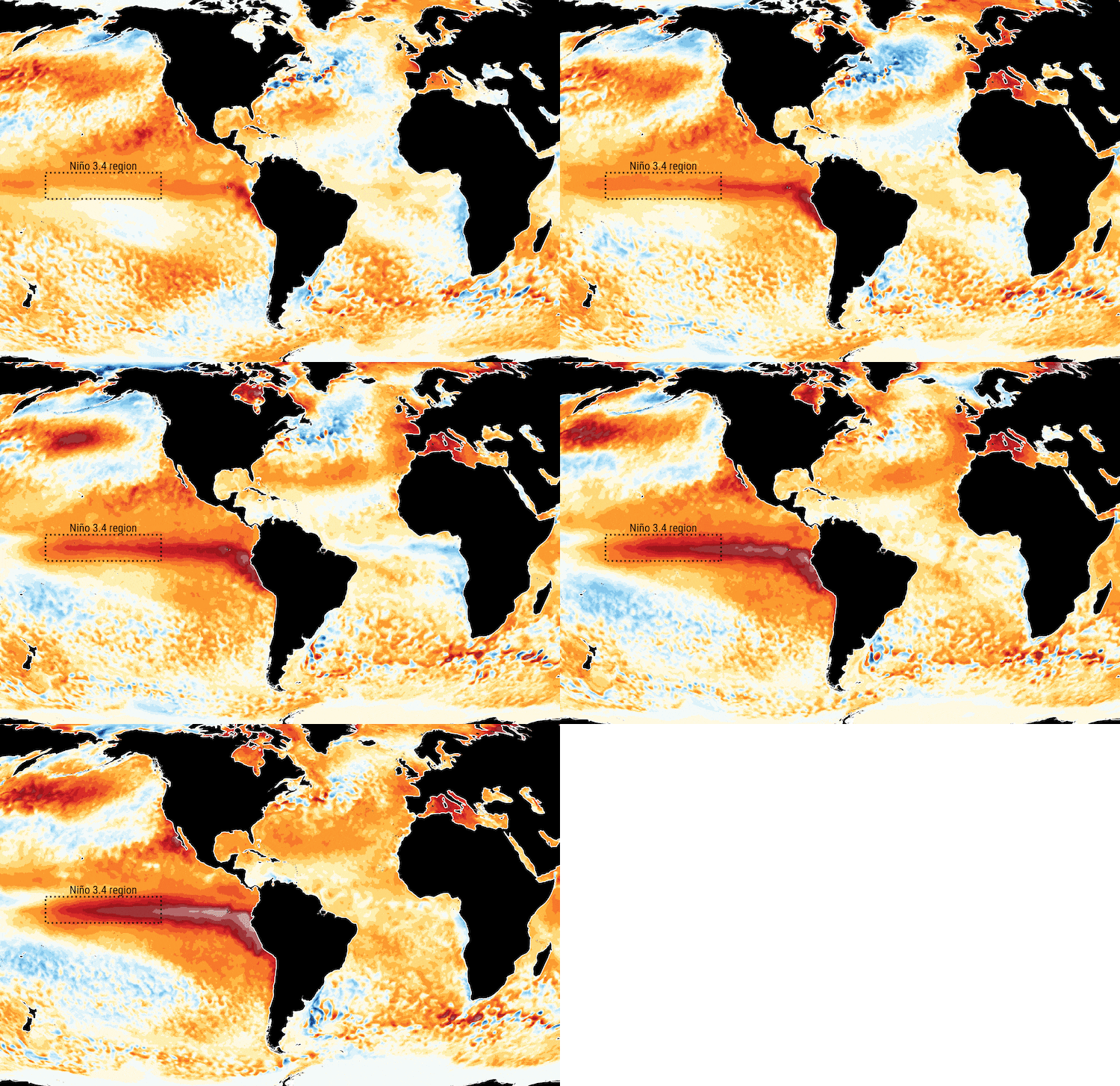
Scientists cited by The Guardian expect the current event to peak between now and January.
Although it's the first time this has happened and warrants concern, the six-day hot streak does not mean that the Paris Agreement target has been breached.
The Paris Agreement, adopted in 2015, calls on countries to limit long-term global warming to well below 2°C and pursue efforts to keep it to 1.5°C.
Those limits refer to long-term global temperature averages, not individual days. Meaning, a few days above 2°C therefore do not mean the agreement's threshold has been crossed.
But scientists warn that the record is a sign of how much the planet has already heated.
CLIMATE CONCERN FOLLOWS FAILED COP31
The temperature record follows COP31, the UN climate summit in Antalya, Turkey, which ended on November 22 without an overarching climate pact.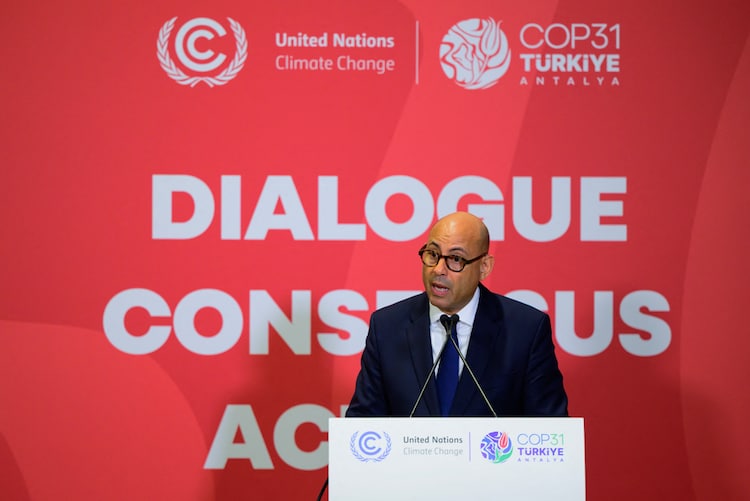
Countries failed to agree on a common position, particularly on language calling for a shift away from fossil fuels and on climate finance.
The failure has led to concerns about the gap between climate warnings and government action, and about the way global climate diplomacy is failing to live up to the threat humanity faces.