
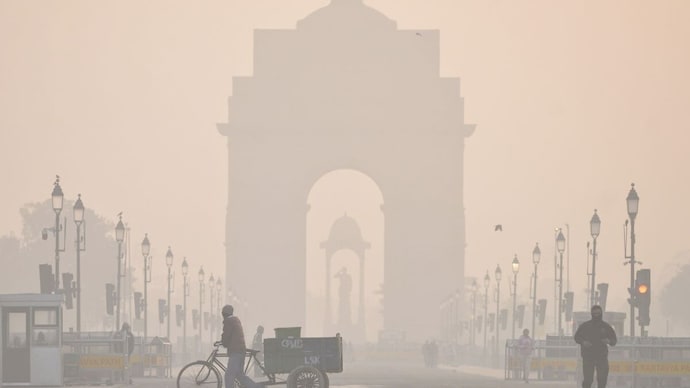
Delhi's AQI improved from 280 to 66, but it could now get worse

Delhi's AQI dipped after rain before rising to worrying levels overnight. With the wrong factors aligning and winter knocking on the door, the city may lose its temporary reprieve.
 Last UpdatedOct 16, 2026 11:01 IST
 Published by
Delhi's air quality could deteriorate further in the coming days as brief relief from rain and strong winds gives way to dry weather, with no fresh showers expected over the next week.
With winter approaching and stubble burning adding to pollution concerns, the capital could face worsening air quality as conditions become less favourable for pollutants to disperse.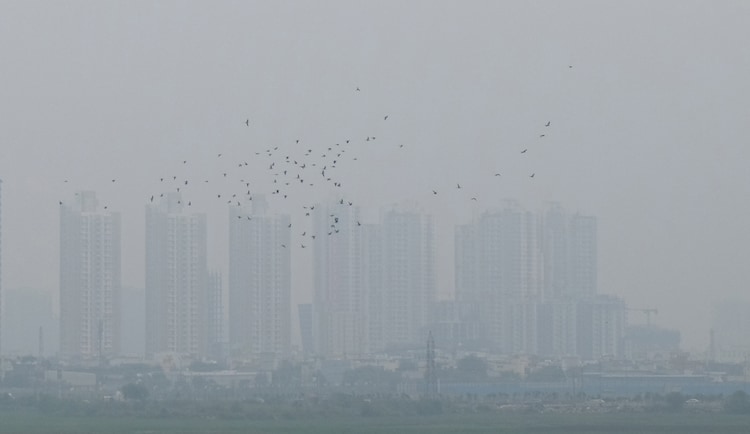
HOW IS DELHI'S AQI TODAY?
Air quality readings for the 24 hours from 10:01 am on October 15 to 10:01 am on October 16 show pollution levels falling during Thursday afternoon and evening before rising again overnight and into Friday morning, as recorded by AQI.in.
Delhi breathed easiest from around 2 pm on Thursday, October 15.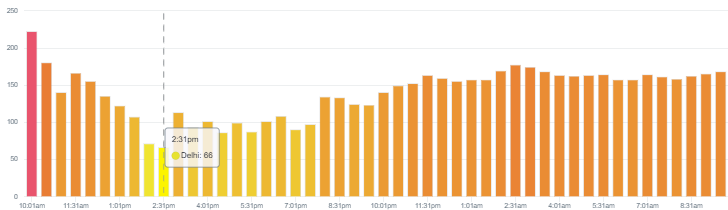
At 2:30 pm, the AQI in Delhi dropped as low as 66, thanks to wind and rain across the capital, that also brought a noticeable drop in temperatures, teasing the arrival of winter.
The worrying trend was recorded after mere minutes, from 3 pm onwards. As the rains began to weaken, AQI shot up again, hovering back in three digits, touching 177 during the intervening night of October 15-16.
As of 10:01 am on October 16, Delhi's AQI was back in the "Poor" category, sitting at 158, according to AQI.in.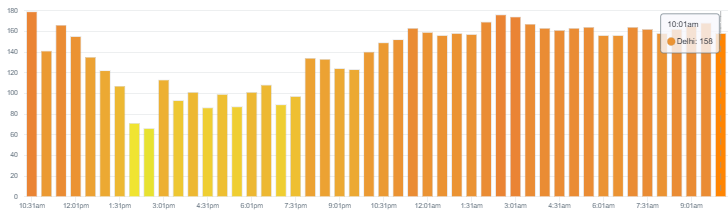
WILL DELHI'S AQI IMPROVE?
The weather is unlikely to offer another immediate break from pollution.
In IMD's October 16 bulletin, the weather agency forecast no rain in Delhi through October 22. Skies are expected to become mainly clear from October 18, while maximum temperatures could rise to 32–34°C by October 21 and 22.
Rain and strong winds could help clear some pollutants from the air. But when these conditions ease, emissions from vehicles, road dust, construction and other local sources can accumulate again.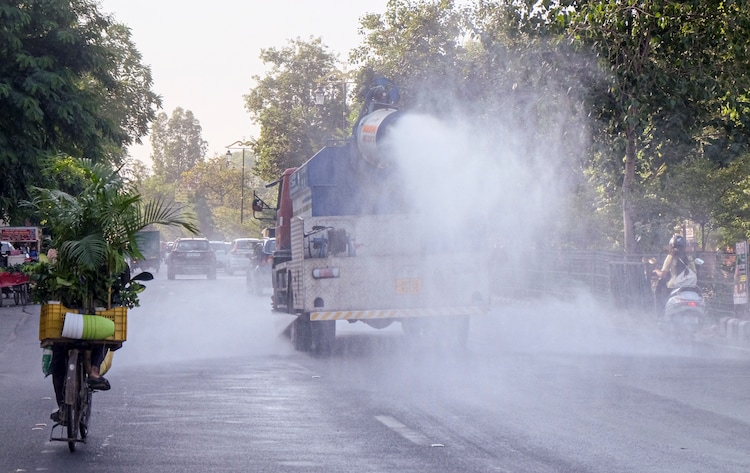
Farm fires in neighbouring states are another concern as the paddy harvest gathers pace.
Burning leftover crop residue releases smoke and fine particles that can travel towards Delhi-NCR, adding to pollution from local sources. The extent of their impact depends on wind direction, speed and other weather conditions.
THE POLLUTION TEST
By the time Delhi manages to catch a breath, winter would be knocking on its door, ready to make the situation more difficult.
Cooler air and weaker winds can prevent pollutants from dispersing easily, allowing them to accumulate closer to the ground, and pushing air quality into poorer categories.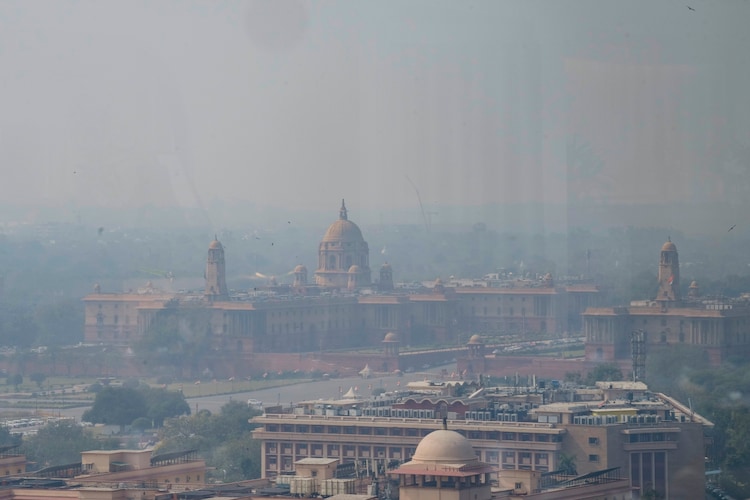
This push is expected to be worsened by vehicular and industrial emissions, road and construction dust, and other sources contributing to the city's dirty air, and putting the capital's new anti-pollution laws to the test.
In the days ahead, with no rain forecast for the coming week, the temporary improvement after Thursday's showers may not last.