
Webb finds brave planet that survived the death of its sun. It should have died too
The James Webb Space Telescope has studied WD 1856 b, a giant planet orbiting a dead star, offering a rare glimpse into the possible future of our Solar System after the Sun dies.
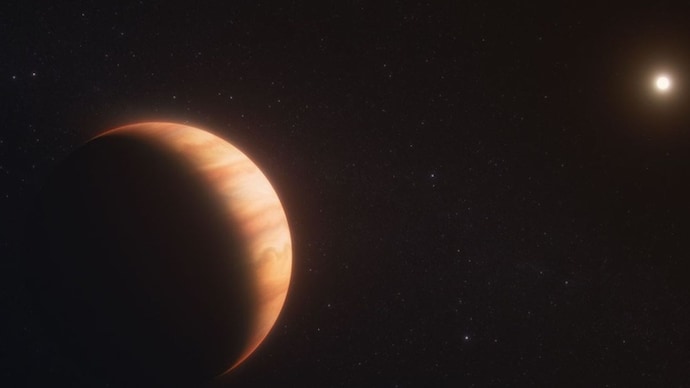

A giant planet located about 81 light-years from Earth has given astronomers a rare glimpse into the distant future of planetary systems, including our own.
Using the James Webb Space Telescope (JWST), scientists have studied a planet called WD 1856 b, which somehow survived the death of its parent star and continues to orbit its stellar remnant billions of years later.
The discovery is significant because it offers one of the clearest examples yet of what may happen to planets when stars like our Sun reach the end of their lives.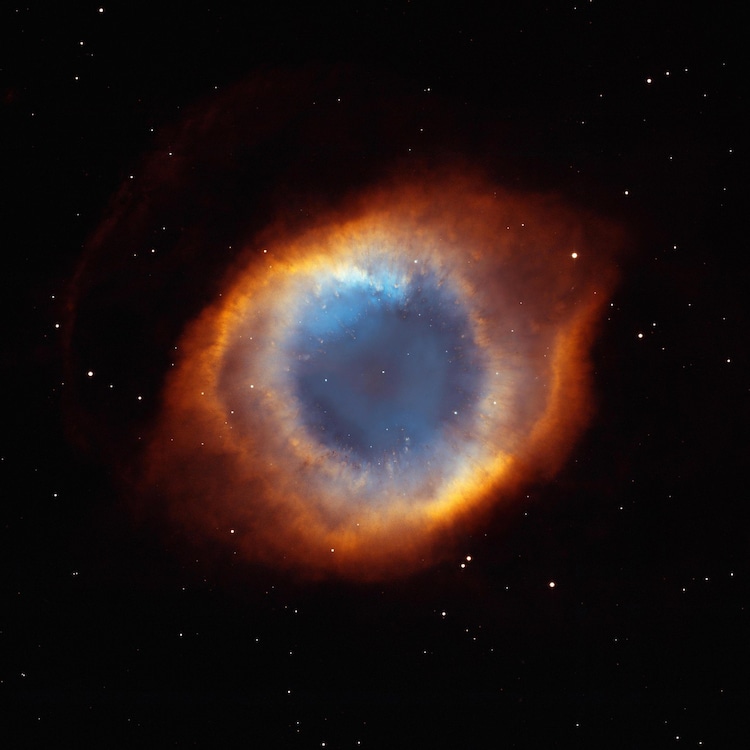
ORBITING A DEAD STAR
WD 1856 b is a gas giant several times more massive than Jupiter.
It orbits a white dwarf, the dense, Earth-sized remnant left behind after a Sun-like star exhausts its fuel, expands into a red giant, and sheds its outer layers.
The star that became this white dwarf is believed to have died around 5 billion years ago.
Scientists had long wondered how the planet survived such a violent transformation.
Normally, when a star swells into a red giant, it can engulf nearby planets. Webb's observations suggest that WD 1856 b likely formed farther away and migrated inward long after its star had become a white dwarf.
WEBB PEERS INTO THE PLANET
Using Webb's powerful infrared instruments, researchers examined starlight passing through the planet's atmosphere as it crossed in front of its white dwarf host.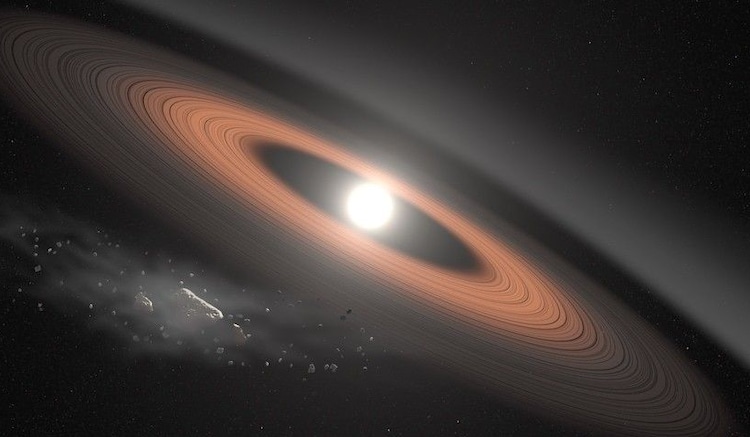
The observations detected methane and signs of atmospheric hazes, helping scientists estimate the planet's temperature and better understand its composition.
The findings provide the first detailed look at the atmosphere of a giant planet orbiting a white dwarf, opening a new chapter in the study of planetary survival after stellar death.
WHAT IT MEANS FOR OUT SOLAR SYSTEM
The research may also offer clues about the far future of our own cosmic neighbourhood.
Astronomers expect the Sun to expand dramatically into a red giant in roughly 5 billion years, likely consuming Mercury and Venus and potentially Earth.
What happens to the outer planets remains uncertain.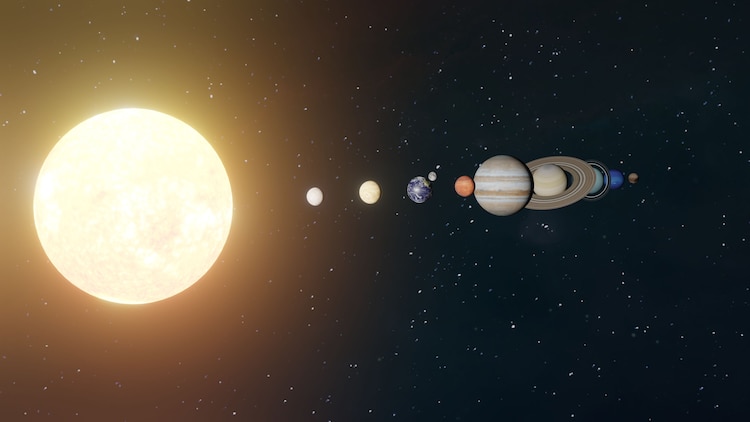
By studying WD 1856 b, scientists are effectively looking ahead in time.
As lead researchers noted, the planet provides a unique opportunity to understand how worlds can endure the death of their stars and continue orbiting the stellar remnants left behind.
The Webb telescope's latest findings show that, under the right conditions, some planets may survive events once thought certain to destroy them, offering a fascinating preview of the fate that could await parts of our Solar System billions of years from now.