
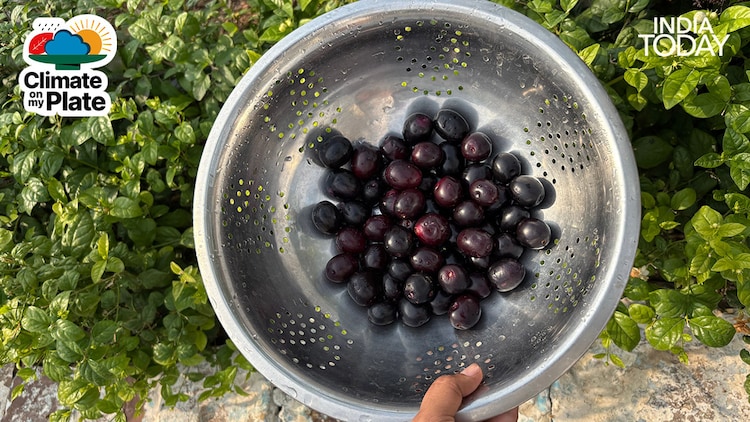
Markets flooded with jamun supply: Does it signal an impending drought?
Indian markets are overflowing with jamun this summer and a viral thread linked it to a grandmother's warning about drought. The science is more nuanced than that.
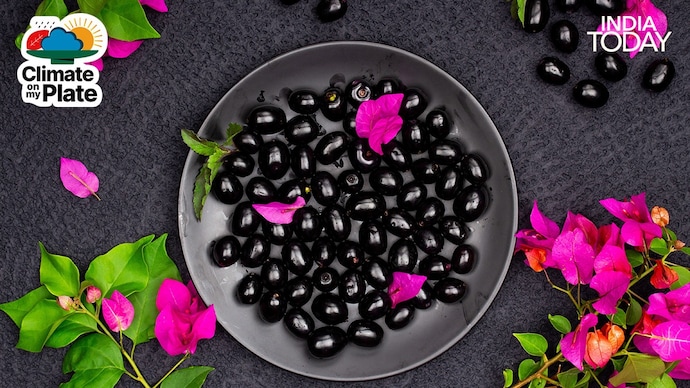
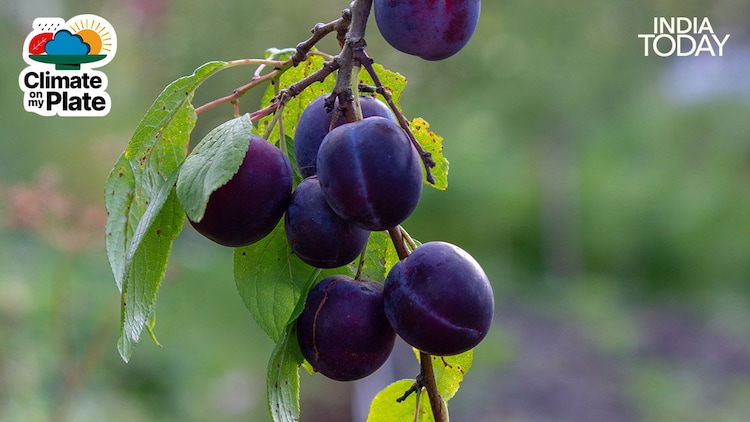
The extraordinary abundance of jamun in summer 2026 is directly linked to the unusually dry pre-monsoon spring, which created ideal conditions for flowering and fruit set. (Photo: Unsplash/Pexels)

New Delhi,UPDATED: Jun 24, 2026 10:58 IST
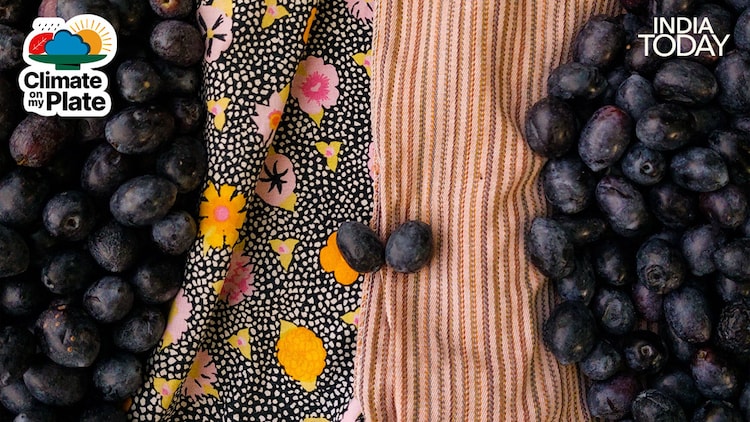
An unusually abundant jamun season is unfolding across parts of India this summer, with markets reporting large supplies of the deep-purple fruit and residents noticing heavily laden trees in areas where yields were sparse just a year ago.
Several social media posts noted the extraordinary abundance and linked it to a piece of traditional wisdom her grandmother had passed down.
If jamun trees shed unusually large quantities of fruit during summer, there is a higher chance of drought that year. The question is whether science agrees.
This is the latest story in Climate on My Plate, India Today Science's series on how the climate crisis is reshaping the everyday things we eat, drink, buy and own. This week, it is the jamun you are buying by the kilogram this summer.
WHY IS THERE SO MUCH JAMUN THIS YEAR
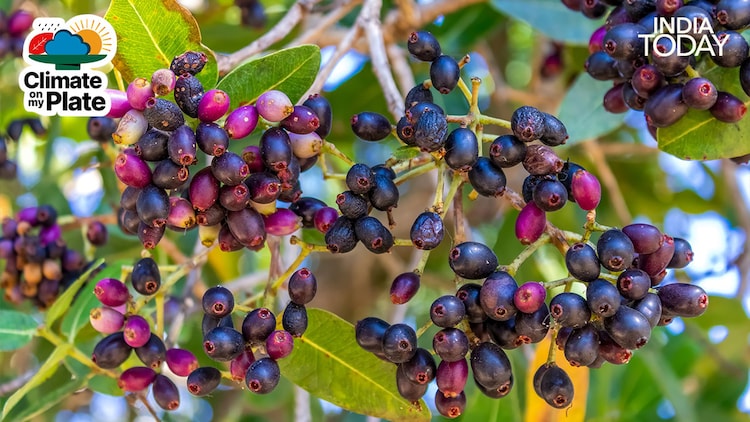
The jamun, or Syzygium cumini, flowers between March and April, producing small white fragrant clusters that must be pollinated before fruit can form.
Rain during this window is the enemy. It knocks pollen off flowers, washes away pollinators, and causes young fruit to drop before they can develop.
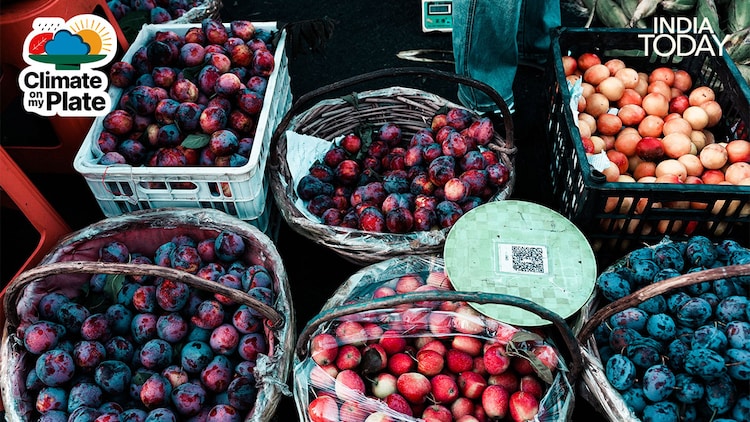
In 2026, the pre-monsoon spring was unusually dry across much of India. The Arabian Sea branch of the monsoon stalled. Rainfall deficits of 40 to 54 per cent were recorded across Maharashtra and Karnataka in June.
That dry spring, frustrating for farmers waiting for rain, was ideal for jamun flowering. Pollination succeeded at higher rates than usual. The fruit set was strong. The trees delivered.
DOES JAMUN KNOW A DROUGHT IS COMING?
Viral claims propose that the abundance of jamun is the tree sensing stress, specifically declining groundwater, and channelling energy into reproduction as a survival strategy. This idea, called stress fruiting, draws on real plant science.
Trees under water stress do sometimes shift resources from vegetative growth towards seed production, an evolutionary instinct to reproduce before conditions worsen.
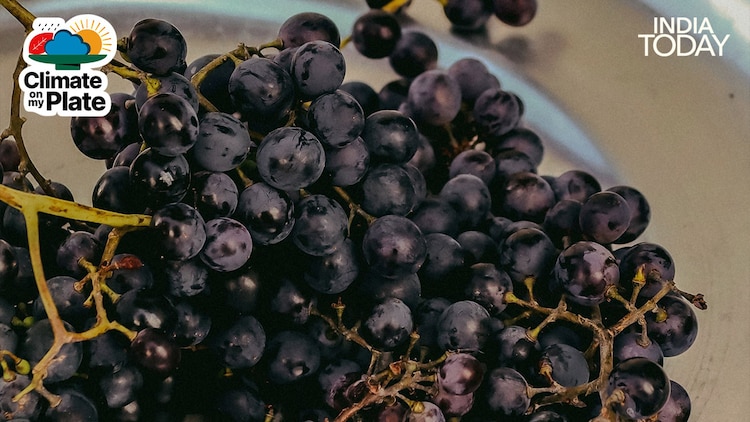
But botanists note an important correction. The jamun's bumper crop reflects past dry conditions, the dry spring that favoured flowering, rather than a prediction of future drought.
The tree is responding to what has already happened, not forecasting what comes next. Traditional ecological knowledge and modern botany agree on the observation. They differ on the direction of causality.
Underlying the dry spring of 2026 is a larger climate story.
El Nino, a periodic warming of sea surface temperatures in the central and eastern Pacific Ocean, was declared by the India Meteorological Department on June 11, 2026.
El Nino alters atmospheric circulation patterns across Asia, weakening the winds that drive moisture towards India and suppressing rainfall across the subcontinent.
Historically, El Nino years are associated with below normal monsoon rainfall in India, and in some cases, severe drought.
The IMD has already revised its 2026 seasonal forecast to 90 per cent of the long-period average, with a 60 per cent probability of a deficient monsoon season overall.
For the jamun tree, the dry pre-monsoon conditions that El Nino helped create were a gift.
For the farmers who depend on the same rains the jamun does not need, the picture is considerably darker. The fruit and the drought warning, it turns out, may not be so separate after all.
WHAT CLIMATE CHANGE MEANS FOR YOUR JAMUN
Here is where it gets complicated. The dry springs that produce bumper jamun crops are becoming more frequent as climate patterns shift.
The same erratic pre-monsoon conditions that stressed farmers in Maharashtra this June created ideal conditions for jamun trees.
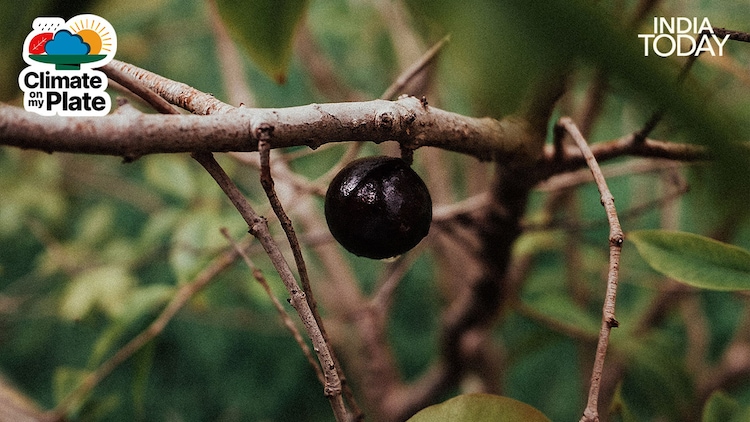
A fruit that thrives on drought stress is, paradoxically, a climate change beneficiary for now.
But researchers warn this window will not stay open indefinitely.
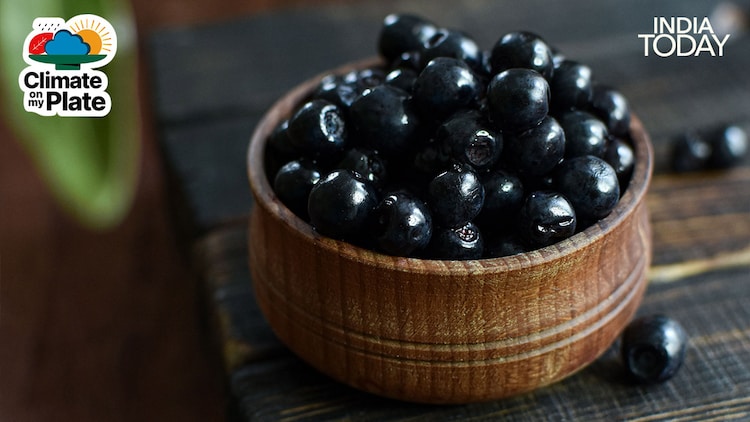
As temperatures rise further and groundwater tables fall permanently rather than seasonally, even drought-hardy trees like jamun will begin to struggle.
The abundance you see this summer may be the tree performing at its best under conditions that will eventually exceed even its considerable tolerance.
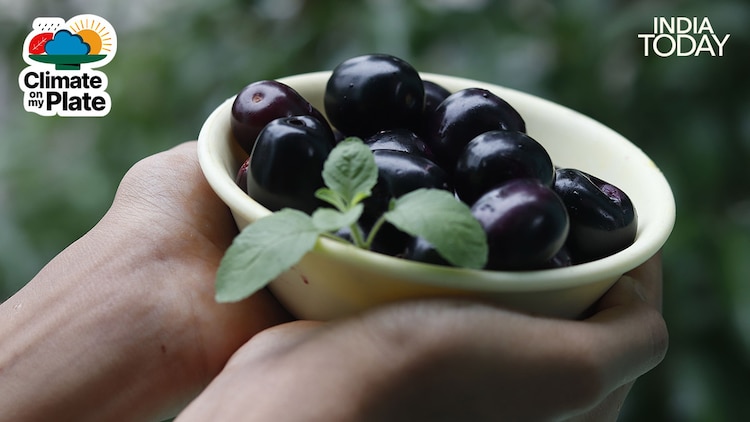
Eat the jamun. It is genuinely good for you, dense in anthocyanins, the pigment that gives it its deep purple colour and powerful antioxidant properties, low in calories, and historically used in Ayurvedic medicine for diabetes management.
But pay attention to what produced it. The tree noticed the dry spring before most of us did.
#ClimateOnMyPlate
- Ends